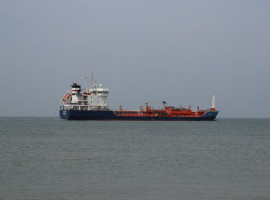
Crude is continuing to gap higher as the market still lacks clarity around the reopening of the Strait of Hormuz.
That’s what Rebecca Babin, a senior equity trader for CIBC Private Wealth in New York, told Rigzone in an exclusive interview on Friday, adding that, “at the same time, we are seeing continued strikes on Middle Eastern energy targets and growing signs of increased shut-ins across the region”.
“All of this is combining to create an extremely uncertain and volatile market,” Babin added.
“Without concrete details on reopening the Strait or the timeline for the conflict, prices are continuing to react sharply as traders try to price in the risk of additional production losses,” Babin continued.
In an oil flash note sent to Rigzone today by Natasha Kaneva, J.P. Morgan’s head of global commodities strategy, analysts at the company, including Kaneva, noted that, on Thursday, commercial traffic through the Strait of Hormuz “remained virtually non-existent, with activity largely limited to Iranian vessels”.
Aaron Hill, Chief Market Analyst at FP Markets, noted in a statement sent to Rigzone on Friday that “tensions around Iranian infrastructure and the strategic importance of the Strait of Hormuz [are] injecting a clear risk premium into prices”.
“The mere possibility of disruption to this critical supply corridor is enough to push prices higher as traders hedge against supply shocks,” Hill added.
“At the same time, resilient economic indicators – particularly steady jobless claims and strong service-sector activity – suggest global fuel demand remains firm, reinforcing the upward bias in oil prices,” he continued.
Hill predicted that, in the near term, markets will closely watch upcoming U.S. labor and retail data, noting that stronger than expected figures could further support demand expectations and keep oil elevated, “while weaker data may temper the rally by raising concerns about slowing economic momentum”.
In a statement sent to Rigzone by the Fitch Group today, Fitch Ratings said the effective closure of the Strait of Hormuz, which it pegged as “the key driver of oil price increases” following the outbreak of the Iran conflict on February 28, “is likely to be temporary given its vital economic role”.
“We do not expect significant upside to our December 2025 assumption of an average Brent oil price of $63 per barrel for 2026,” Fitch Ratings added in the statement.
Fitch Ratings went on to warn, however, that the duration and intensity of the “increasingly regional conflict” remain uncertain.
“Any protracted blockage of the Strait or material and sustained damage to the region’s oil and gas production and transportation infrastructure would materially affect oil markets and likely result in a more material rise in our base case 2026 oil price assumption,” Fitch Ratings said in the statement.
“Oil price volatility would rise if there were to be any material disruption to Iranian oil production,” it added.
In a BMI report sent to Rigzone by the Fitch Group on Friday morning, analysts at BMI, a Fitch Solutions company, revealed that they expect “significant yet short lived rallies in oil and gas prices, followed by rapid retracement as regional flows normalize and geopolitical risk premia fades”.
The analysts warned, however, that the balance of risk to their current price outlooks is skewed squarely to the upside.
To contact the author, email