Oil prices surged again on Friday, putting crude on track for its biggest weekly gain in years as disruptions to Middle East supply and tanker traffic through the Strait of Hormuz rattle global energy markets.
Brent crude was trading above $88 per barrel in early trading, up more than 4% on the day, while U.S. benchmark West Texas Intermediate climbed to roughly $85.90 per barrel, gaining more than $4.80. Murban crude — a key Middle Eastern benchmark — was approaching the $100 mark at $99.60 per barrel.
The rally caps a week in which oil prices have jumped sharply amid escalating tensions tied to the conflict involving Iran and the United States, and growing fears over the security of shipping through the Strait of Hormuz.
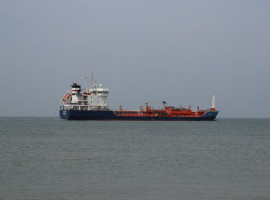
That narrow waterway handles roughly a fifth of the world’s traded crude, making it one of the most critical chokepoints in the global oil system. Even partial disruptions or perceived risks to tanker traffic can trigger rapid price moves as traders scramble to price in supply uncertainty.
The latest surge has pushed oil toward its largest weekly gain in roughly four years.
Related: No Missiles, No Drones: What Happens When Rare Earths Stop Flowing?
Markets are increasingly factoring in the possibility that exports from the Persian Gulf could face even greater logistical challenges should tensions intensify.
The Brent–WTI spread has narrowed over the past week, with both benchmarks surging on disruptions to seaborne crude oil and tangible oil production outages in Iraq.
Seven days ago, Brent traded roughly $8–$9 above WTI, but that premium has since tightened to around $7 per barrel. A typical market reaction to geopolitical shocks in the Gulf would be a widening of the Brent premium because Brent reflects globally traded seaborne crude while WTI is more tied to inland U.S. supply. But the spread is narrowing.
The recent compression suggests traders are bidding up U.S. crude as buyers anticipate stronger demand for American export barrels if Middle East flows remain constrained, pulling WTI higher relative to the global benchmark.
Another benchmark telling the same story is Murban crude, the Abu Dhabi grade that serves as a key pricing marker for Asian buyers. With Murban pushing toward $100 per barrel, refiners in Asia are facing rapidly rising feedstock costs.
The surge in Murban prices suggests that the market most exposed to Persian Gulf exports — Asia — is feeling the squeeze.
The White House has said it is exploring options to limit the economic fallout from rising oil prices. Officials have discussed potential measures aimed at easing pressure on consumers if prices remain elevated.
As long as uncertainty around Hormuz persists, oil prices are likely to remain volatile, with the $90 mark now firmly within reach for Brent and triple-digit crude already emerging in parts of the global benchmark system.
By Julianne Geiger for Oilprice.com
More Top Reads From Oilprice.com
- HSFO Prices Jump 40% as War Chokes Key Singapore Bunkering Hub
- IMF: Oil Price Shock Tests Global Economic Resilience
- Europe-Bound LNG Cargoes Divert to Asia as War Upends Gas Market