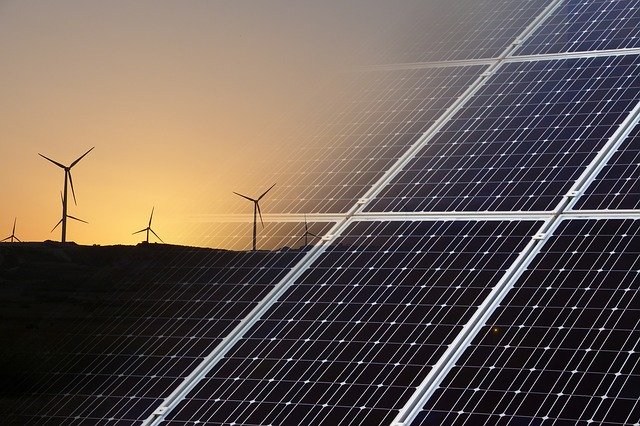
Vietnam’s renewable energy sector is taking a new step toward sustainability with a partnership between IREX Energy Joint Stock Company and Hamada Company. The two companies have signed a memorandum of understanding to develop a solar panel recycling project in Vietnam, aiming to address future waste challenges as the country’s solar installations age.
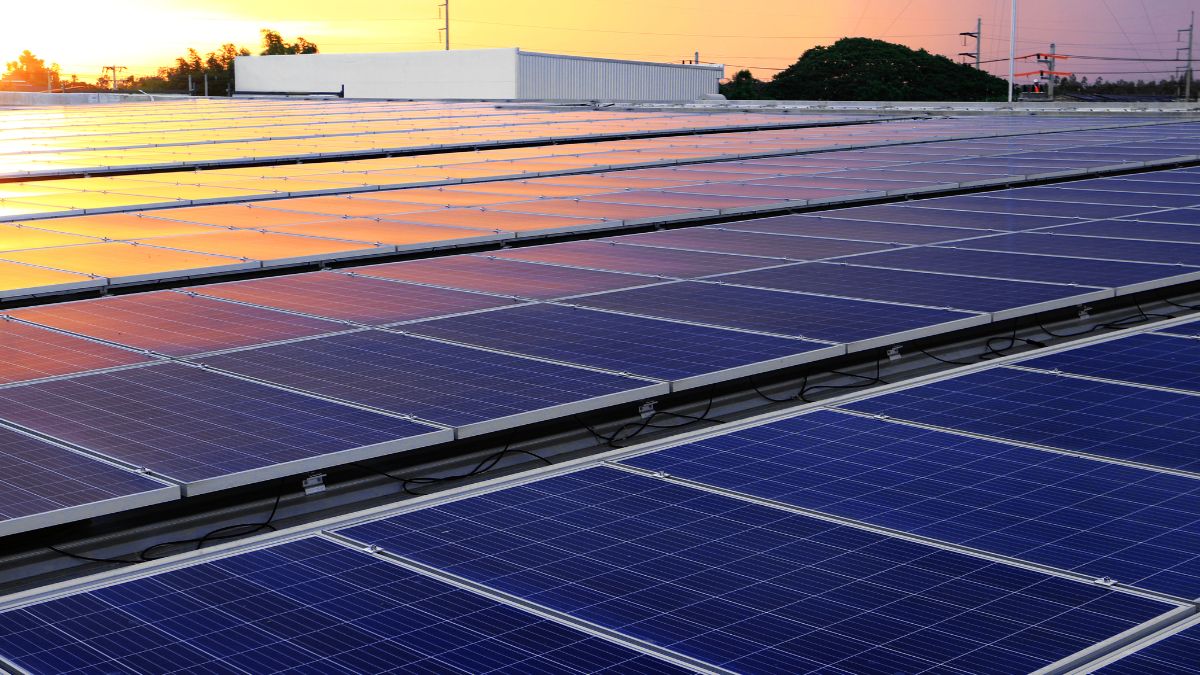
Over the past decade, Vietnam has seen rapid growth in solar power capacity. While this expansion has supported clean energy goals, it has also raised concerns about how to manage large volumes of solar panels once they reach the end of their life. Most photovoltaic panels have a lifespan of 20 to 25 years, and the earliest installations in Vietnam are gradually approaching that stage. Without proper systems in place, discarded panels could create environmental risks.
The new collaboration focuses on building a circular approach to solar energy. Instead of treating old panels as waste, the project aims to recycle them and recover valuable materials. These include glass, aluminum frames, silicon, and rare metals that can be reused in manufacturing. This approach is expected to reduce the need for fresh raw materials and lower the environmental impact of the solar industry.
IREX, a subsidiary of SolarBK Group, brings local knowledge of the solar market and experience in module production. Hamada, on the other hand, contributes advanced recycling technologies and decades of expertise in waste management from Japan. Together, the companies plan to develop a system for collecting, dismantling, and processing used solar panels across the country.
The initiative is also aligned with Vietnam’s long-term climate targets, including its commitment to achieve net-zero emissions by 2050. Industry representatives have highlighted that building domestic recycling capacity is essential to avoid a future waste crisis. By handling solar panel disposal responsibly, the country can ensure that its clean energy transition remains environmentally sustainable.
In addition to environmental benefits, the project is expected to support economic growth. It may create new jobs in recycling and green technology sectors, while also encouraging manufacturers to take greater responsibility for the full lifecycle of their products.
This partnership reflects a broader global trend where renewable energy development is increasingly linked with sustainability practices beyond electricity generation. By turning solar waste into reusable resources, the initiative sets an example for other countries in Southeast Asia. It shows that managing the end-of-life stage of clean energy systems is just as important as expanding their capacity.
Subscribe to get the latest posts sent to your email.