West Texas Intermediate added some 51% over last month, currently trading at over $100 per barrel as President Trump indicated the war against Iran was not coming to a swift end.
The Wall Street Journal reported that the price rise represented a difference of $34.36, which was the highest monthly price climb since WTI futures started trading on the commodity exchange, back in 1983.
As a result of the benchmark price rise, gasoline has topped $4 per gallon and diesel fuel sits at $5.50 per gallon, according to the latest data from AAA.
The last time fuel prices were where they are now was in 2022, when the Western sanctions on Russia following its incursion into Ukraine prompted fears of a shortage. This time, however, the reason for the price jumps is very different, marked by physical oil supply disruption that is set to last for months, even if the U.S. and Israeli war against Iran ends now, which is unlikely, per Trump’s latest update.
Earlier in the week, oil prices dipped again after a statement from the U.S. president, in which he said the war could be over in two to three weeks. The latest statement, however, suggested the opposite, even though President Trump said the U.S. was very close to accomplishing its goals in the war.
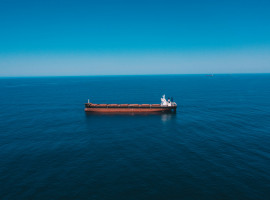
“Even if the Strait reopens, clearing the vessel backlog would take time, with production, exports, and LNG flows normalising only gradually rather than immediately,” ING commodity analysts noted in a Wednesday overview of the energy price situation. Separately, Sparta Commodities oil analyst June Goh said the normalization would take between three and six months following the end of hostilities between the U.S. and Israel, and Iran.
Meanwhile, China and Pakistan called for an immediate ceasefire and the restoration of tanker traffic via the Strait of Hormuz.
By Irina Slav for Oilprice.com
More Top Reads From Oilprice.com
- Oil Prices Surge 6% as Trump Signals Prolonged Iran Conflict
- Chevron Reports “Extensive Damage” at Major LNG Project
- Iranian Drone Sets Kuwaiti Oil Tanker on Fire