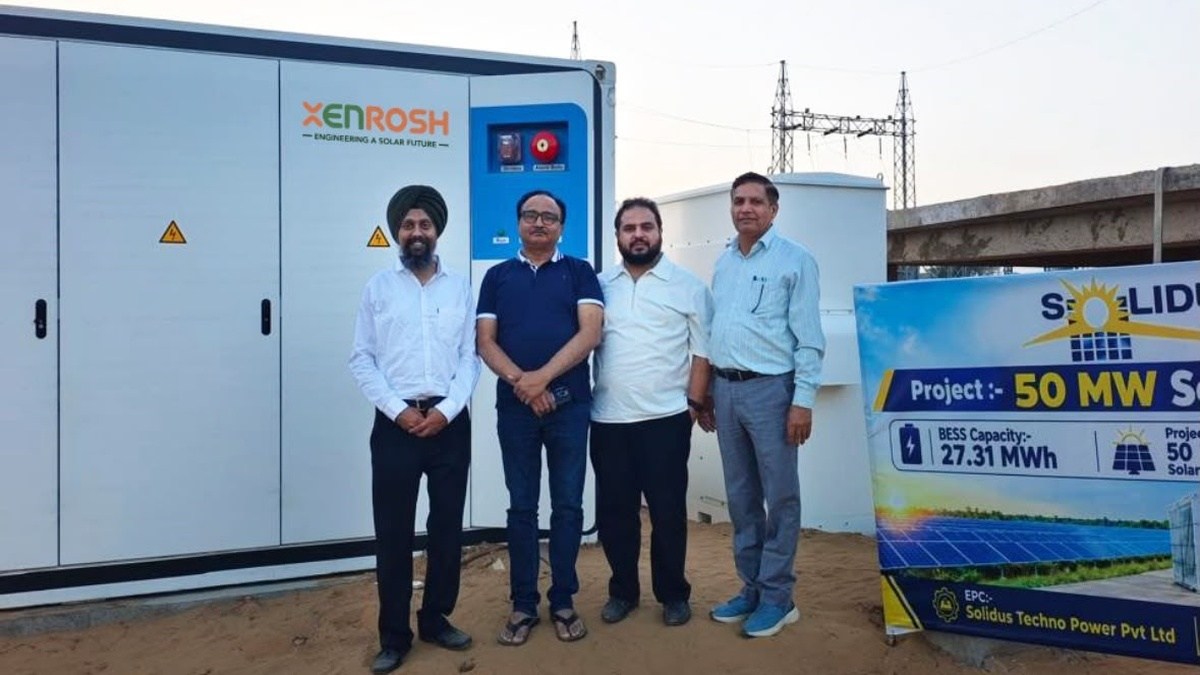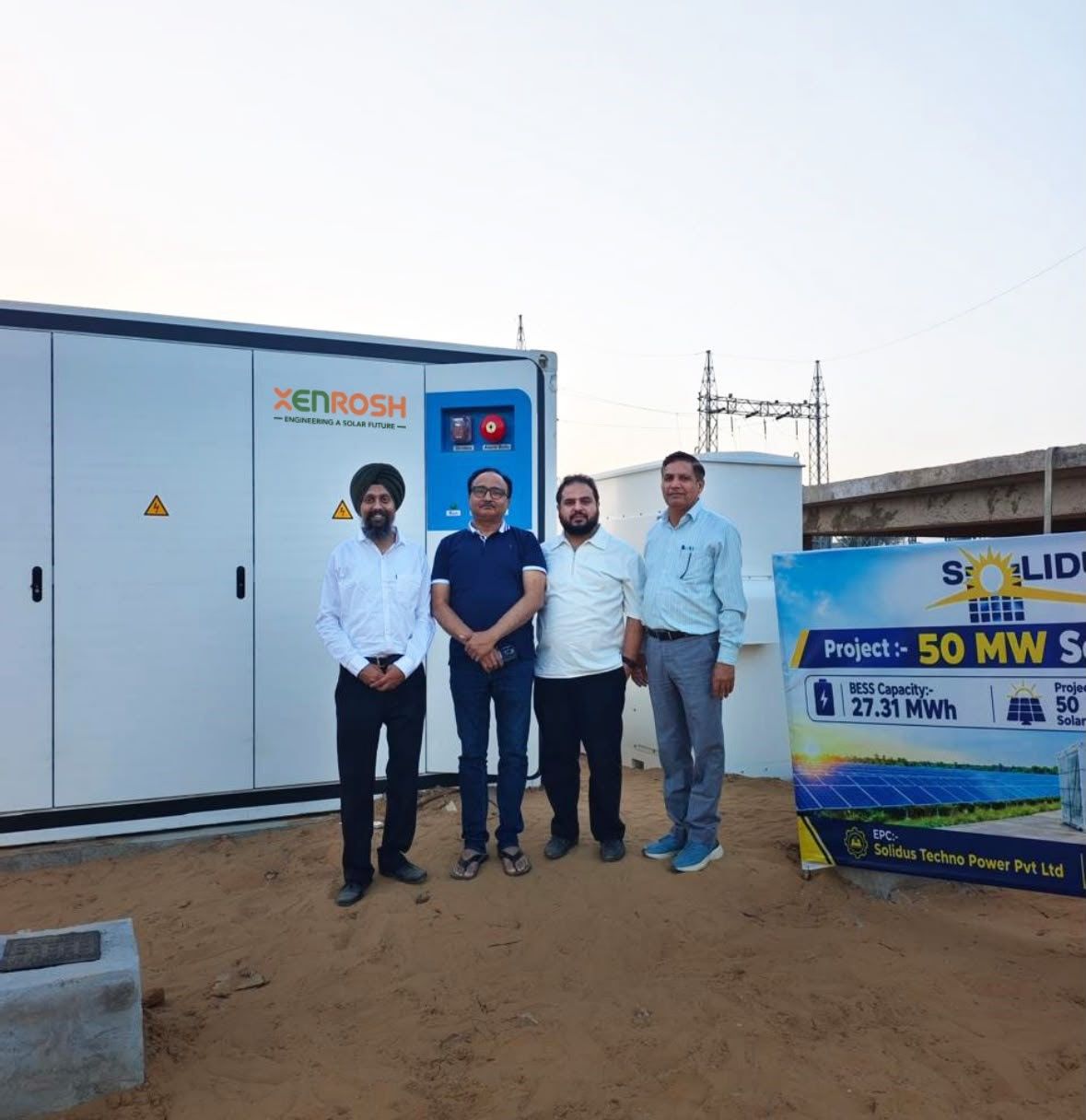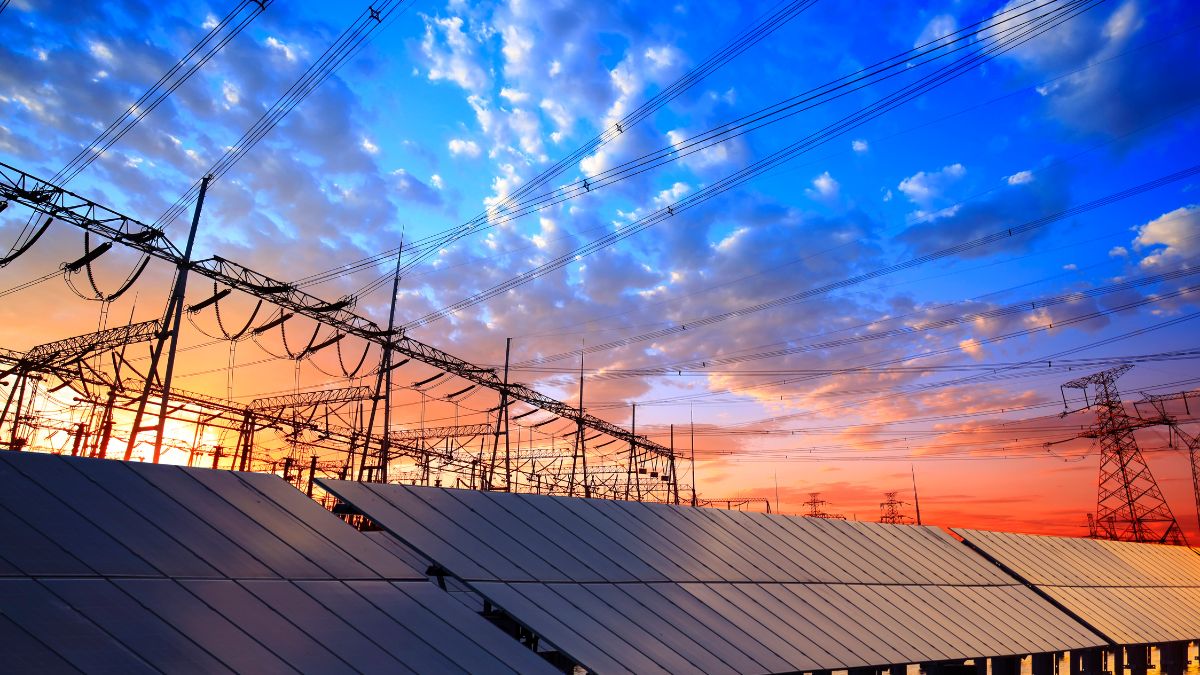
India’s authorities plan to introduce, from July 1, 2027 a regulation requiring developers of solar and wind energy projects to have battery storage installed at the sites in a bid to better manage the renewable energy output and reduce curtailments.
For solar and wind projects commissioned after July 1, 2027, the Central Electricity Authority (CEA) of India proposes that developers to be mandated to have co-located energy storage equal to at least 10% of the renewable project’s installed capacity, with a minimum duration of two hours.
The proposed regulation would become more stringent for projects commissioned between July 2029 and 2031, with battery storage of at least 10% of installed capacity and a minimum duration of four hours, according to the draft proposals.
Set OilPrice.com as a preferred source in Google .
Despite a major solar and wind installations boom in recent years, India has been struggling to fully utilize the capacities because output has often been curtailed due to the lack of battery storage.
As a result, solar power developers in India have started to add battery storage to photovoltaic projects to attract buyers and reduce the large share of curtailments for power supply that the grids are unable to absorb, Santosh Sarangi, Secretary of India’s Ministry of New and Renewable Energy, said last month.
Without battery backup, solar projects see curtailments during the hottest months and peak daytime hours.
India’s electricity grid is expanding at a slower pace than the boom in renewable energy installations, leading to an increased share of clean energy curtailments and threatening to slow the solar and wind boom in the world’s most populous country.
Grid and transmission constraints accounted for nearly two-thirds of all renewable energy curtailment at 300 gigawatt-hours (GWh) in the first quarter of the year, clean energy think tank Ember said in a report in May.
In a separate analysis in June, Ember said that India needs around 10 GWh of battery storage immediately to stop renewable energy curtailment when the coal fleet cannot ramp down below its technical minimum.
By Tsvetana Paraskova for Oilprice.com
More Top Reads From Oilprice.com
- U.S. Diesel Prices Hit All-Time High as Global Fuel Squeeze Deepens
- Europe Gas Prices Head for Fourth Straight Weekly Gain
- Iran Says It’s Found Ways to Dodge U.S. Oil Blockade