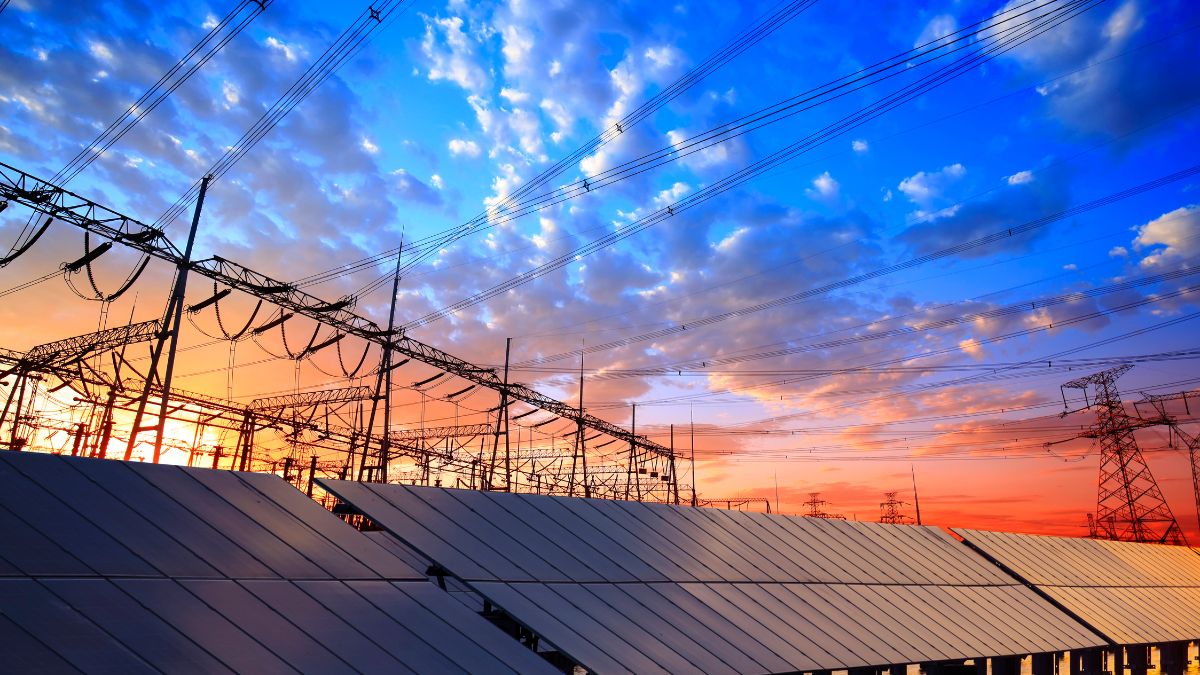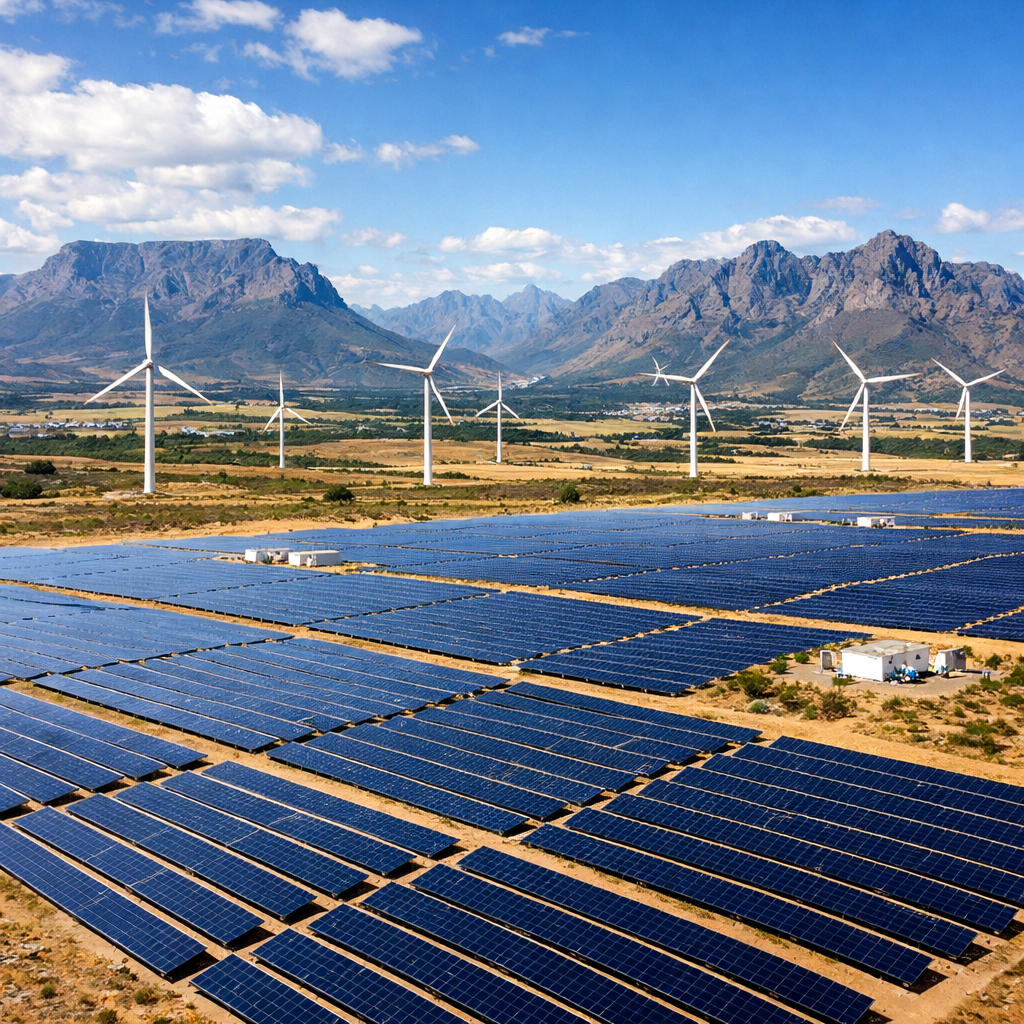
South Africa’s renewable energy sector showed strong growth and positive impact in 2025, according to the latest report by the National Energy Regulator of South Africa. The report highlights steady progress in large-scale green energy projects, supported by policy changes that have made it easier and faster to register new power plants.
By the end of 2025, the total capacity allocated under government ministerial determinations reached 36,700 MW. Out of this, nearly 29,000 MW is considered effective capacity, showing that a large portion of planned projects is moving toward actual generation. A key achievement came from the Renewable Energy Independent Power Producer Procurement Programme and risk mitigation projects, which together reached a grid-installed capacity of 7,083 MW across 100 projects. Almost all of this capacity, around 7,052 MW, is already in full commercial operation.
During 2025 alone, eight new projects under Bid Window 5 added 753 MW to the grid. These included major wind projects such as Rietkloof and Brandvalley, along with solar developments like the Grootfontein PV cluster. In addition to large-scale plants, the regulator approved 601 smaller generation facilities, contributing around 7,459 MW of new capacity. Most of these smaller projects are based on solar photovoltaic (PV) technology, reflecting the growing interest in distributed and embedded generation.
Electricity production from renewable sources also increased during the year. Projects under the REI4P programme generated about 17,808 GWh of electricity in 2025, slightly higher than the previous year. Wind energy was the largest contributor, producing 11,040 GWh, while solar PV contributed 5,079 GWh. Despite this growth, coal still dominates South Africa’s energy mix, accounting for about 81% of total generation. Renewable energy now makes up roughly 9%, indicating gradual but steady progress in diversifying the energy system.
Some operational challenges were noted during the year. At times of low electricity demand, renewable energy generation had to be reduced, leading to curtailment. This resulted in additional costs, known as “deemed energy,” which amounted to around R404 million in 2025.
From an economic perspective, the renewable energy programme continues to attract significant investment. The total cost of energy produced by these projects reached R38.5 billion in 2025. Although global renewable energy costs have declined sharply over the past decade, South African projects still operate under regulated tariffs approved by NERSA. On average, wind power is priced at R1.42 per kWh, while solar PV stands at R2.93 per kWh.
Beyond energy generation, the sector is also contributing to social and economic development. Renewable projects generated R17.2 billion in revenue and invested R222 million in socio-economic development initiatives, particularly in education and healthcare. Employment targets were exceeded, with 1,869 South Africans employed, most of whom come from local communities. Additionally, black ownership in these projects reached 41%, surpassing the required level.
Overall, the report shows that renewable energy in South Africa is not only expanding the power supply but also supporting economic growth, job creation, and social transformation.
Subscribe to get the latest posts sent to your email.