By
13 min ago 3 min read
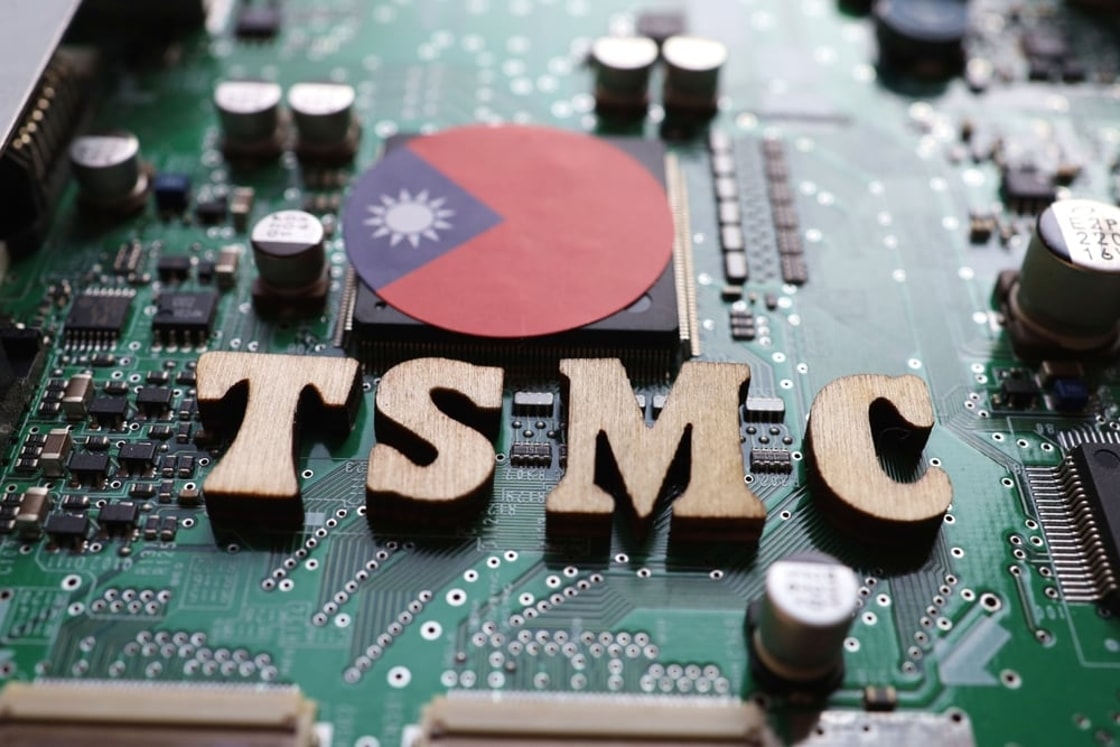
Artificial intelligence demand is set to outpace semiconductor supply for at least the next two years, said Taiwan Semiconductor Manufacturing Company (TSMC) in its first-quarter earnings call.
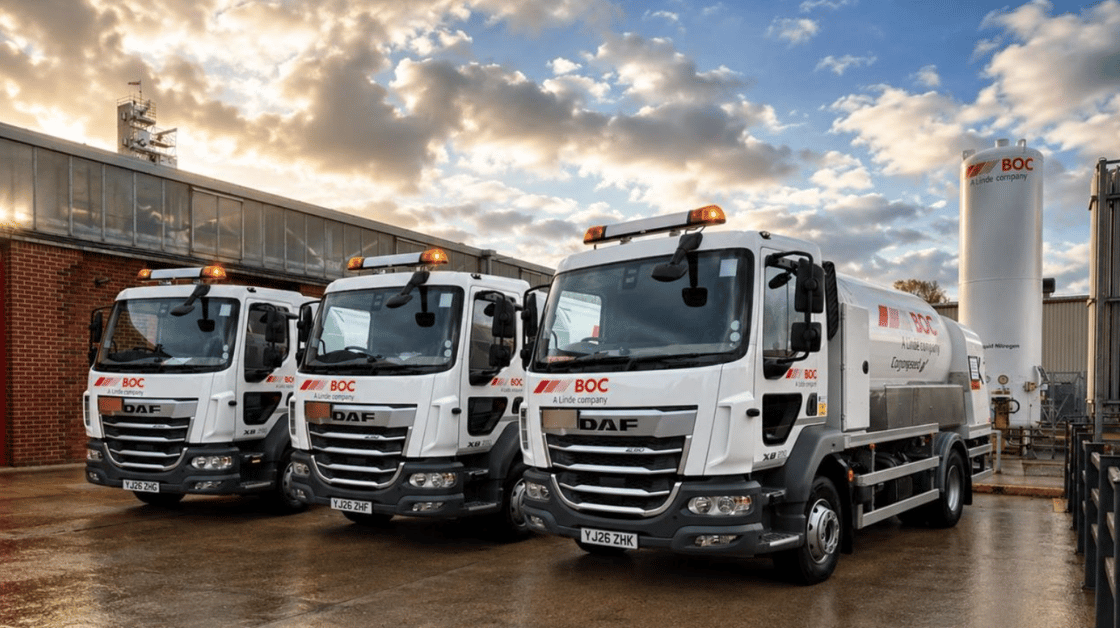
The company warned of emerging cost pressures across critical inputs including specialty gases and chemicals.
The world’s largest contract chipmaker said demand for leading-edge chips remains “extremely robust,” driven by the continued expansion of AI workloads, while capacity constraints are expected to persist despite aggressive investment.
“We expect this to continue to be very tight,” said Chairman and CEO Che-Chia Wei, noting that new fabrication plants take “two to three years to build” and additional time to ramp. “There are no shortcuts.”
TSMC reported first-quarter revenue of $35.9bn, up 39% year-on-year, with high-performance computing applications, including AI, accounting for 61% of total revenue. The company now expects full-year revenue to grow by more than 30% in US dollar terms.
To support demand, TSMC has raised its 2026 capital expenditure to the upper end of its $52bn to $56bn guidance range. However, even with increased investment, the company acknowledged that supply remains constrained.
“Demand is continuing to increase,” said Wei. “Our supply is very tight.”
The imbalance is being driven by a shift towards more compute-intensive AI applications, with Wei highlighting the transition from generative AI to “agentic AI and command and action mode,” which is increasing token usage and computing requirements.
Alongside capacity constraints, TSMC flagged rising input cost risks linked to geopolitical instability, particularly in the Middle East.
“Prices for certain chemicals and gases are likely to increase,” said Senior Vice President and CFO Wendell Huang. “There may be impact to our profitability, but it is too early to quantify.”
The warning comes as analysts have also pointed to less visible risks in the supply chain, including constraints in hydrogen bromide processing capacity linked to in the Middle East.
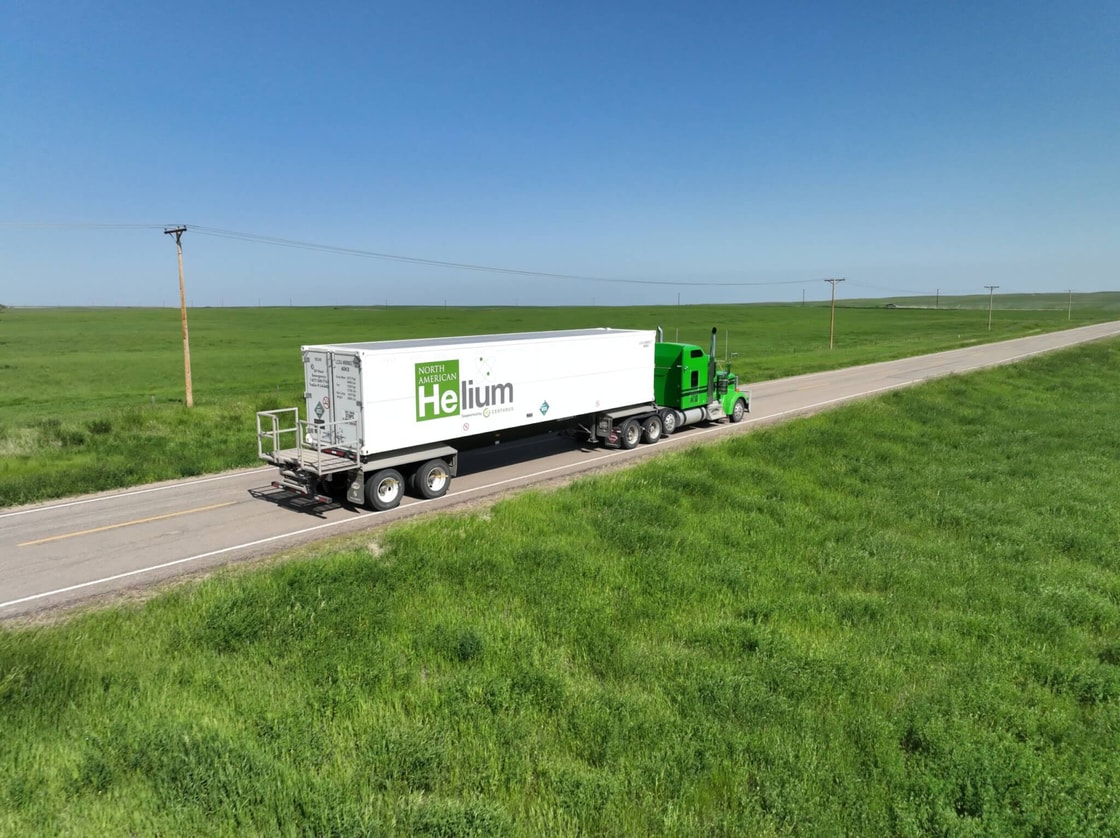
The company confirmed it sources specialty materials, including helium and hydrogen, from multiple suppliers across different regions, with safety stock in place to mitigate disruption.
“For specialty chemicals and gases, including helium and hydrogen, we source from multiple suppliers in different regions, and we have prepared safety stock inventory on hand,” said Huang.
TSMC added that it is working with suppliers to strengthen supply chain resilience and does not expect any near-term disruption to operations.
Energy supply remains another area of focus. The company said it is working with Taiwan’s government to secure stable power, with liquefied natural gas (LNG) supplies currently assured through at least May.
“The government has announced it has secured sufficient LNG supply through at least May,” said Huang, adding that efforts are ongoing to diversify sourcing and expand backup power capacity.
Despite near-term uncertainties, TSMC maintained strong confidence in long-term semiconductor demand, underpinned by AI, 5G and high-performance computing.
“Our conviction in the multi-year AI megatrend remains high,” said Wei.