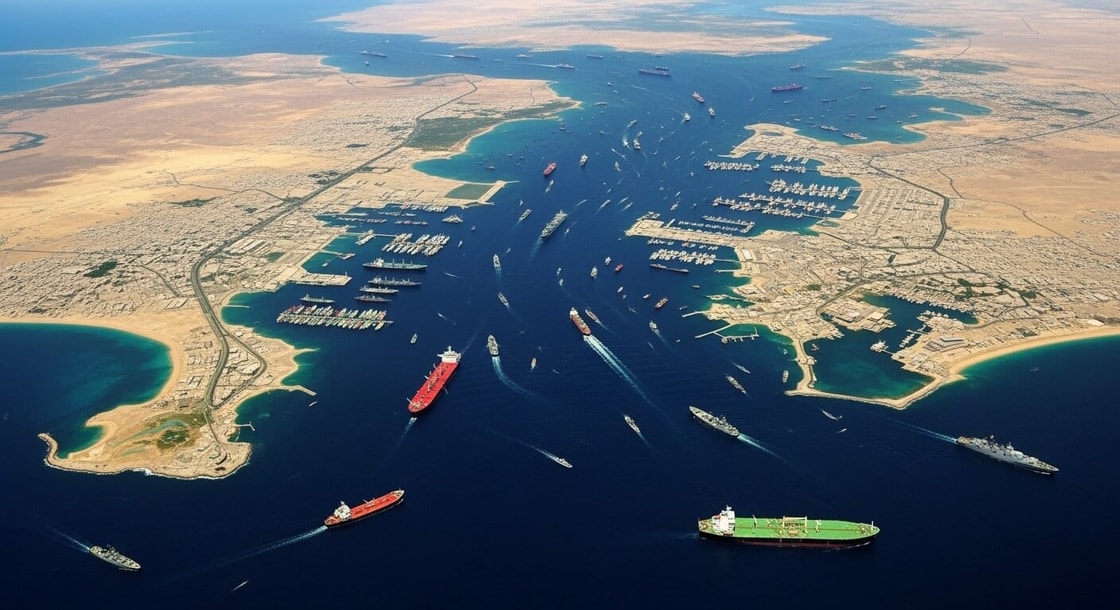
World leaders from around 40 countries (excluding the US) will come together in Paris on Friday (17 April) to establish an international mission to reopen the Strait of Hormuz. The stakes couldn’t be higher with global trade continuing to be heavily disrupted through the strait and the two-week ceasefire due to expire next Tuesday (22 April).
Freedom of navigation
The freedom of navigation initiative is planned to be a ‘strictly defensive, multinational mission’ intended to restore safe passage for commercial shipping in the region following significant disruptions. It would also involve coordinated naval mine clearance to enable ships’ safe passage.
Diplomatic efforts are focusing less on the regional tensions and more on the global impact. UK Prime Minister Keir Starmer is expected to tell the summit that the unconditional and immediate reopening of the strait is a global responsibility, one that is essential to getting global energy and trade flowing freely again.
The multi-billion dollar question is whether Iran will allow ‘third party’ countries (beyond US and Israel) to have control over the strait, or whether it will stick to its proposal of introducing fees and tolls, which are strongly opposed by Gulf states.
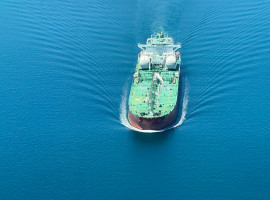
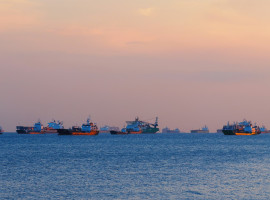
The impasse is throttling world trade and supply chains. Alongside the much-publicised impact to , and , disruption from is starting to be felt across markets. According to ship-tracking data from Kpler, just 279 ships are known to have transited the strait between 28 February and 12 April, far below the pre-war average of about 100 per day.
Shipping security
Today’s discussions will also focus on the safety of vessels and seafarers. For operators, the issues are manifold. Alongside grappling with operational disruption, insurers are either withdrawing or drastically increasing war-risk cover, which is further eroding protection and profitability.
While the international mission aims to be ‘strictly defensive’, how should operators protect assets and workers in the event of escalation – and in that context, would ‘defensive’ actors pivot and step in to protect them?
The stand-off remains tense following . Iran has warned any military vessel approaching the strait will be met with a ‘severe response’.
Delegations will need to consider ‘asymmetric suppression’ tactics to counter Iranian fast-attack craft, drone boats, and cruise missiles, which have struck over 20 vessels since February.
Technological security will also be on the agenda. Discussions will touch on the rise in automatic identification system ‘spoofing’ and satellite navigation interference, which has made tracking and counting vessels through the corridor problematic.
Another key issue often overlooked is the rising humanitarian crisis. Approximately 20,000 seafarers, on board the hundreds of commercial vessels, remain trapped in the Gulf. The summit is seeking protocols for their safe evacuation or passage.