Leaders want the vital Strait of Hormuz opened immediately to restore energy flows
Some Gulf Arab and European leaders believe that a U.S.-Iran peace deal will take about six months to be agreed and that the warring sides should extend their ceasefire to cover that timeframe, according to officials from the regions familiar with the matter.
The leaders want the vital Strait of Hormuz opened immediately to restore energy flows and are warning in private that a global food crisis may develop if that doesn’t happen by next month, said the officials, who asked not to be identified discussing private talks.
Get the Latest US Focused Energy News Delivered to You! It’s FREE:
Energy prices will probably rise even more should the war stretch beyond that, they said. Brent crude climbed about 3.5 per cent to more than US$98 a barrel on Thursday.
Bottom of Form
Gulf states believe Iran is looking to build a nuclear weapon and that hasn’t changed in the wake of the U.S.-Israeli bombardment of the country, said the officials. They thus think a peace deal should ban Iran from enriching uranium or having long-range ballistic missiles, the officials said.
Still, Gulf leaders are mostly against any return to fighting and want the U.S. to pursue diplomacy with Iran, said the officials.
Spokespeople for the governments of Saudi Arabia, Qatar, Kuwait, Oman and Bahrain did not immediately respond to Bloomberg requests for comment. The foreign ministry of the United Arab Emirates referred Bloomberg to an April 8 statement in which it said that there must be an “unconditional reopening of the Strait of Hormuz.”
The UAE’s statement “emphasized the need for a comprehensive and sustained approach that addresses Iran’s full range of threats, including its nuclear capabilities, ballistic missiles, drones, military capabilities, and affiliated proxies and terrorist groups.”
The U.S. and Israel began bombing Iran in late February and the ensuing war has wreaked havoc across the Middle East. Iran retaliated by striking Israel as well as countries including Saudi Arabia, the UAE and Qatar, firing missiles and drones at their cities, ports and petroleum sites.
Oil prices have eased since a ceasefire started around April 8, but are still up 35 per cent since the conflict began.
Strait shut
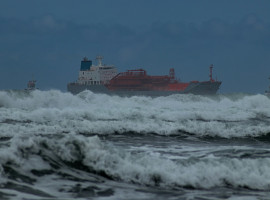
Crucially, the Strait of Hormuz has been effectively shut since the start of the conflict, hurting the economies of the Gulf states because they are no longer able to export normal levels of oil, liquefied natural gas, aluminum and products such as fertilizers.
Washington and Tehran are weighing a two-week extension of the truce, which ends on Tuesday late U.S. time, Bloomberg reported. That would allow them more time to negotiate a peace deal.
Article content
There is no guarantee the two sides can agree to prolong the ceasefire, let alone reach a formal peace deal. Beyond the Hormuz strait, which Iran says it wants to have control over indefinitely, contentious issues include Iran’s nuclear and missile programs, sanctions relief for the Islamic Republic, and the ongoing war in Lebanon between Israel and Tehran-backed Hezbollah.
U.S. President Donald Trump on Thursday announced a 10-day ceasefire between Israel and Lebanon, without mentioning Hezbollah. Some of the officials said a ceasefire in Lebanon could help with the Iran talks.
Share This:
More News Articles