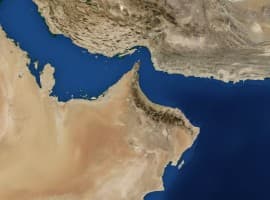
The Strait of Hormuz is once again at the center of escalating geopolitical tensions, with Iran moving to restrict vessel traffic amid an ongoing U.S. naval blockade.
According to multiple reports, Iran has turned back at least 20 vessels attempting to transit the strait, while U.S. enforcement actions have redirected additional ships, bringing total disruptions to more than 20 tankers. Merchant vessels reportedly received direct radio warnings from Iranian naval forces declaring the waterway closed to all traffic following what Tehran described as a failure by Washington to uphold ceasefire commitments.
The developments mark a sharp reversal from earlier optimism. Just days ago, Iran had signaled that navigation through Hormuz was “completely open” following a temporary ceasefire agreement tied to de-escalation in Lebanon. That arrangement now appears to be unraveling, with both sides maintaining overlapping restrictions—effectively choking off maritime access.
Security risks are also rising. A U.S. defense official said Iran’s Revolutionary Guard Corps has carried out multiple attacks on commercial vessels in recent days, while shipowners reported gunfire incidents in the strait. India is reportedly preparing a diplomatic response after two Indian-flagged vessels, including a Very-Large-Crude-Carrier (VLCC) laden with 2 million barrels of Iraqi crude, were attacked near the Strait of Hormuz.
Despite ongoing diplomatic messaging from Washington suggesting progress in talks, the situation on the water tells a different story. Shipowners remain hesitant to return, with many vessels already redeployed outside the region and tanker availability in the Middle East sharply reduced.
With the Strait still under Iranian control and access limited to vessels cleared by its authorities, the risk of a prolonged disruption to global oil flows is increasing—leaving markets bracing for further volatility and potential supply shocks, especially after Friday’s sharp selloff, which may prove short-lived if physical constraints persist and traders are forced to reprice the severity of the disruption.
By Tom Kool for Oilprice.com
More Top Reads From Oilprice.com
- First Crude Cargo Clears Hormuz Since U.S. Blockade Began
- Tanker Fleet Heads to Load U.S. Oil as Middle East Supply Crumbles
- India Pays in Yuan for Iranian Oil Purchases Under U.S. Waiver