By
7 min ago 3 min read
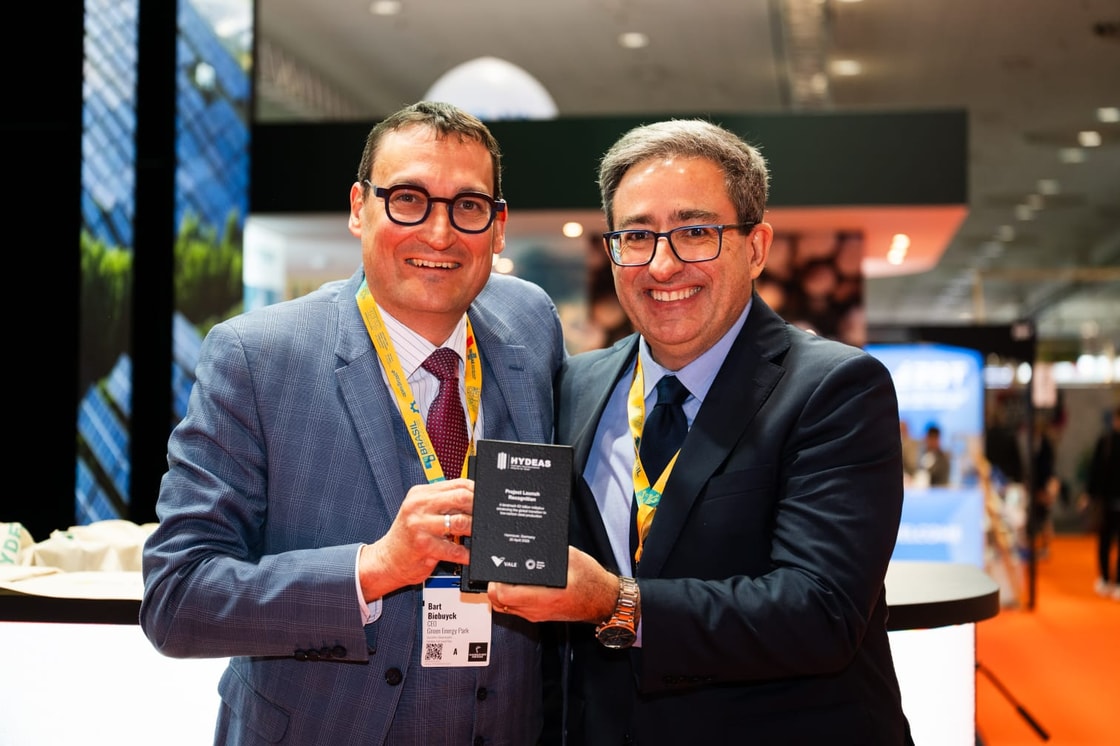
Green Energy Park (GEP) Global and Brazilian mining major Vale aim to establish a large-scale hydrogen-based green iron supply chain from Brazil to Europe.
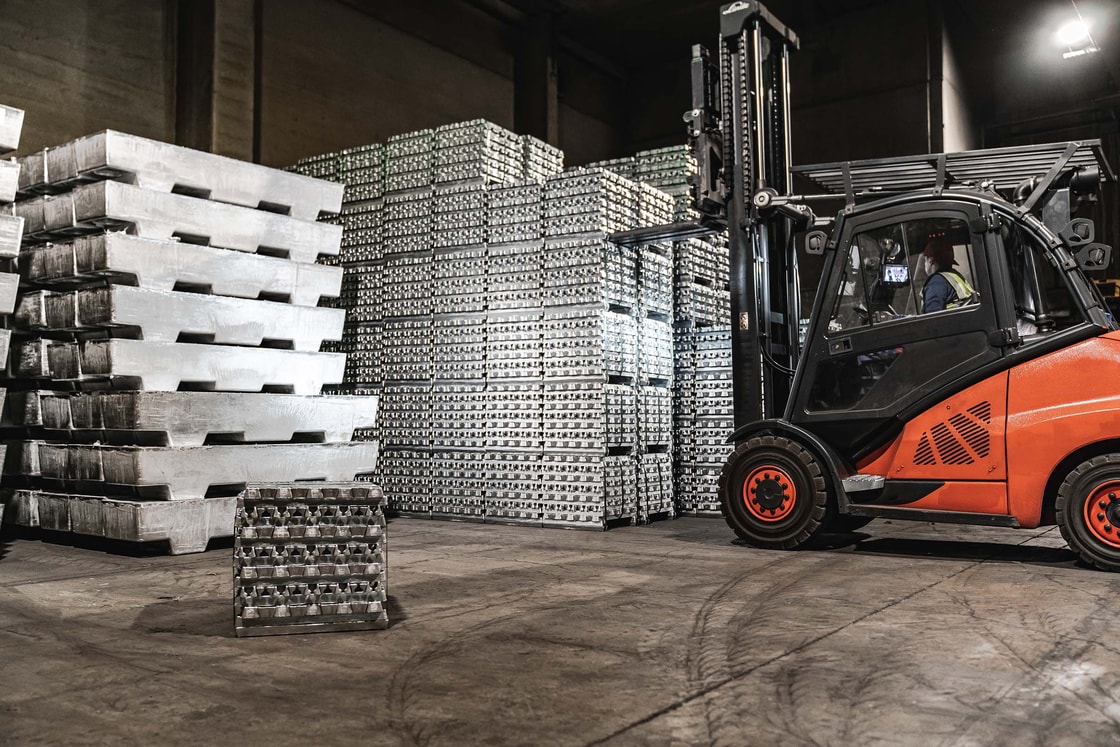
Under the Hydrogen Decarbonisation Alliance for Steel (Hydeas), the pair are looking to produce green iron in Maranhão, Brazil, through a green hydrogen-based direct reduced iron (DRI) process, for shipping to Europe.
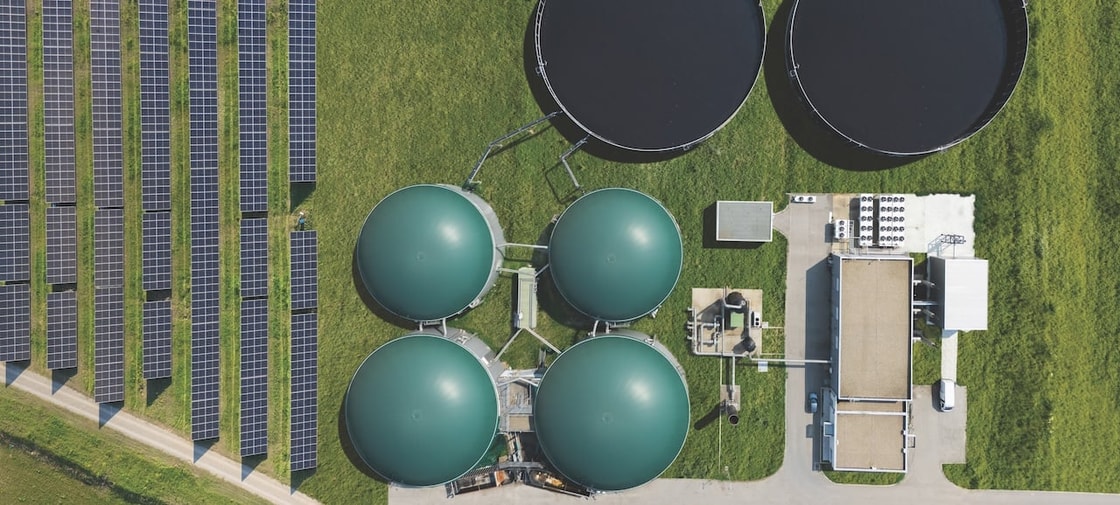
The duo have already been carrying out on a green hydrogen production facility in Brazil to support a low-carbon steel complex.
While the project’s scale has not been disclosed, GEP said engineering and financing studies are underway. It’s unclear when a final investment decision might be reached.
Specifics regarding hydrogen production pathways, volumes, transportation, and precise renewable energy assets have also not yet been identified.
However, Bart Biebuyck, CEO of GEP, said that Hydeas could build a new industrial bridge between Brazil and Europe.
GEP earned EU flagship status in 2024 under the bloc’s Climate and Energy category. This labelled the company as a for establishing a supply corridor, and could offer strategic benefits including endorsement, investment, and international trade support.
This comes as Europe faces a key strategic choice between producing green steel using imported DRI or maintaining a full-value-chain industry via hydrogen imports.
Importing DRI could offer lower costs, faster scalability, and avoid the need for large hydrogen infrastructure, while importing hydrogen allows Europe to retain industrial control, protect jobs, and build long-term capability.
Hydeas could mirror the model of Meranti Green Steel (MGS), whose Duqm, Oman, DRI facility – scheduled for operations in 2030 – is set to supply well over one million tonnes of hot briquetted iron (HBI) per year to European customers.
While initially produced using natural gas, it is targeted to gradually transition to a hydrogen-based production process.
The shift from steelmakers from a fossil-based process to a low-carbon one could significantly reduce the carbon footprint of the alloy, which is responsible for roughly 7 to 9% of global carbon dioxide emissions.
H2 View webinars bring together industry leaders to discuss the hottest topics and biggest trends.
With H2 View webinars, you’ll get:
• Insightful talks from global hydrogen experts
• Live debates, discussion, and audience Q&A
• On-demand access to every past webinar
Register for or