By
35 min ago 2 min read
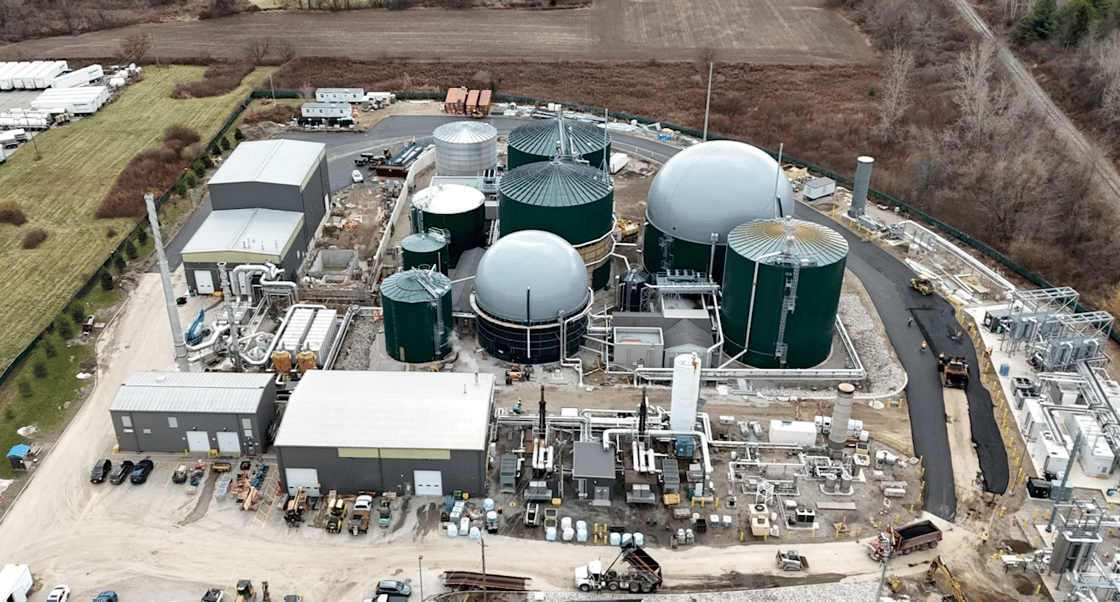
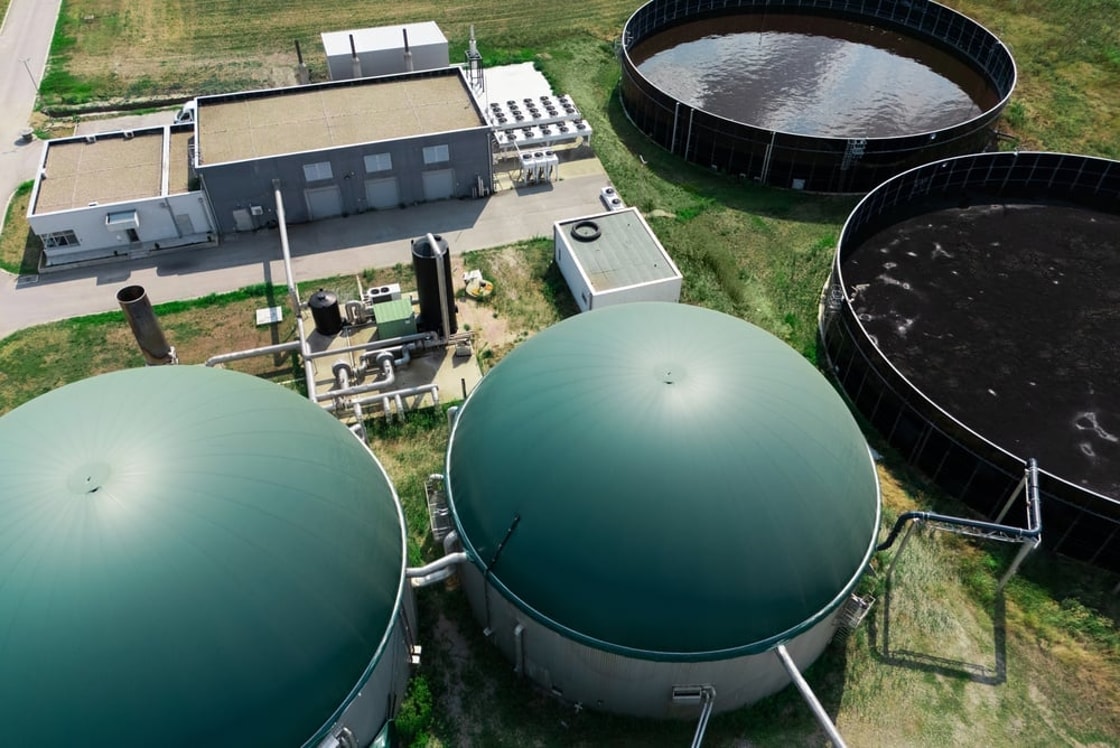
Biomethane production in existing plants could be increased by about 10% to 30%, according to the European Commission.
The recommendation was contained within the new , which confirmed green hydrogen rules will be reviewed two years earlier than planned.
AccelerateEU aims to fast track affordable and secure energy on the continent.
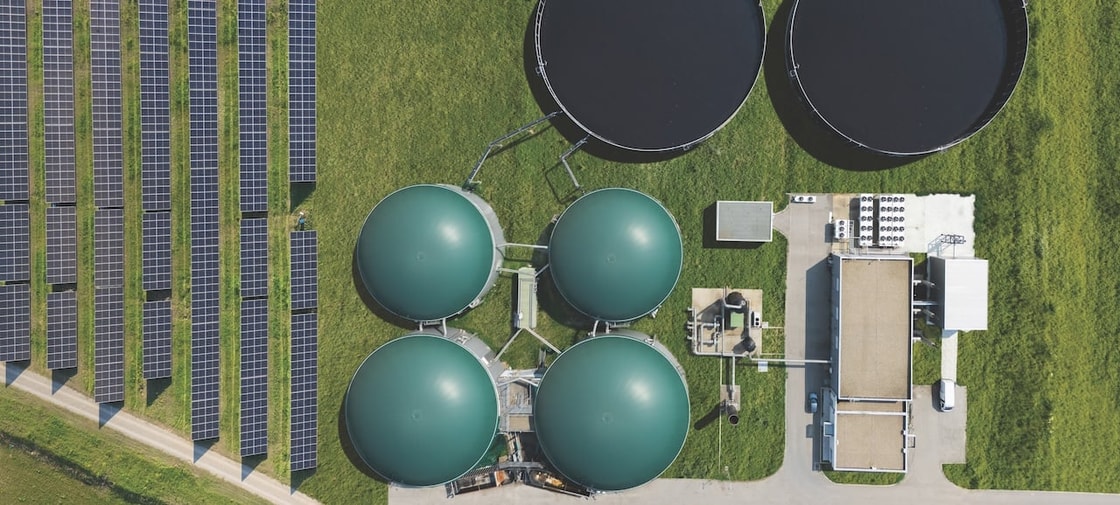
On-farm and cooperative biomethane projects can reduce fossil fuel dependency while providing additional income for farmers and creating local value, particularly in rural areas, by converting waste, residues and manure into energy and fertilisers.
Circular solutions for biogas, biomethane and recycled nutrients can strengthen resilience, help competitiveness and reduce exposure to global price shocks.
In other areas, given the slower than expected ramp up of the hydrogen market, the Commission proposes a targeted review of the production criteria for renewable hydrogen, while safeguarding existing investments.
This will support industrial decarbonisation and accelerate the development of hydrogen-based Sustainable Aviation electro-Fuels (eSAF) and Sustainable Maritime electro-Fuels (eSMF).
The Commission will further clarify the methodologies applicable for processes relying on both renewable hydrogen and biomass as a feedstock to facilitate production of eSAF.
The aim is to safeguard a level playing field and maintain ambitious sustainability criteria, including additionality, accurate lifecycle emissions accounting and the avoidance of double counting.
Ursula von der Leyen, President of the European Commission, said, “We must accelerate the shift to homegrown, clean energies. This will give us energy independence and security, and mean we are better able to weather geopolitical storms.”
But while the Commission will assist member states to make maximum use of available EU funding, it warns public money alone will not cover the significant investment needs (€660bn a year until 2030) for the energy transition. Other policy obstacles need to be overcome.
Ireland’s multi-million-euro after the European Commission issued a formal “detailed opinion” blocking a key support mechanism in its renewable heat obligation scheme.