By
8 min ago 3 min read
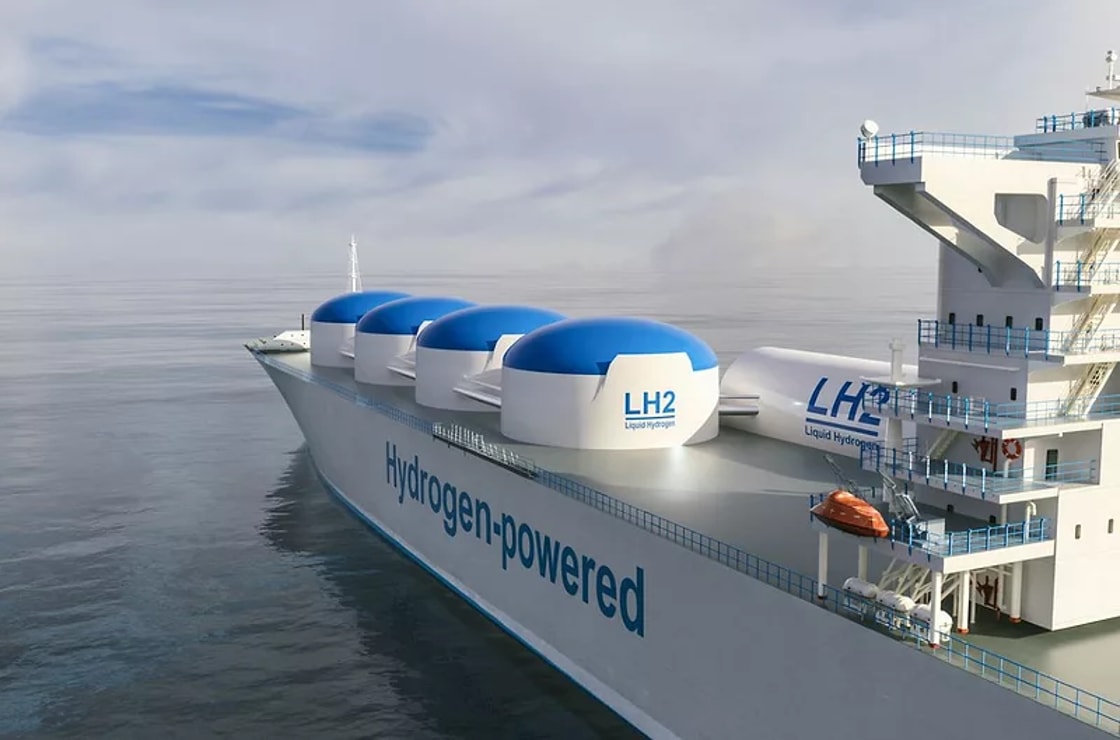
Marine classification services provider Lloyd’s Register and Pusan National University have signed a deal to create the first internationally recognised certification framework for liquid hydrogen carriers and onboard systems.
Despite its potential, the progress of hydrogen as a zero-carbon fuel option in the maritime sectors has been hampered by a lack of agreed standards for testing and verification.
Liquid hydrogen presents specific technical challenges, requiring storage at around –253℃ and placing extreme demands on materials, containment systems and safety design.
The newly signed memorandum of understanding will support the creation of a global standard for evaluating performance, safety and reliability.
As pressure mounts on shipping to decarbonise, Claudene Sharp-Patel, Global Technical Director at Lloyd’s Register, believes that a detailed certification pathway could accelerate project development and reduce barriers to entry.
“By aligning testing, verification and certification under a recognised framework, our partnership ith PNU aims to provide the level of assurance required for shipowners, yards and regulators to advance liquid hydrogen from concept to commercial reality,” she added.
The two organisations will jointly evaluate the cryogenic and insulation performance of storage tanks and associated piping systems, verify structural integrity, and carry out detailed safety and risk assessments.
Last year, PNU with US classification society ABC to jointly develop technologies for liquid hydrogen carriers and cryogenic ship systems.
Global maritime shipping emits roughly 1,000 million tonnes of CO2 each year, accounting for around 3% of total global greenhouse gases.
Hydrogen and its derivatives, such as ammonia and methanol, could lead to a reduction in maritime emissions of 80% by 2050, according to the International Renewable Energy Agency.
The sector requires around 60 million tonnes of green hydrogen per year by 2050 for e-fuels, supporting a transition that could reduce emissions by three to five gigatonnes of CO2 equivalent.
The International Maritime Organization has mandated a shift away from fossil fuels by or around 2050 – a key driver for hydrogen-based alternatives.
However, further advancement is required. Green hydrogen currently costs four to five times more than traditional fuels.
To reduce costs, focus is shifting to technology innovations such as on-site production and electrolyser efficiency, in addition to advancing policy incentives and regulations such as EU ETS and FuelEU Maritime.