Summary
- US announces ceasefire extension with Iran
- Ships attacked by gunfire in Strait of Hormuz
- API shows drops in US crude, fuel and distillate stocks, sources say
(Reuters) – Oil prices rose on Wednesday, erasing earlier losses after reports of gunfire attacks on at least three container ships in the Strait of Hormuz and a lack of progress in peace talks between the U.S. and Iran.
Get the Latest US Focused Energy News Delivered to You! It’s FREE:
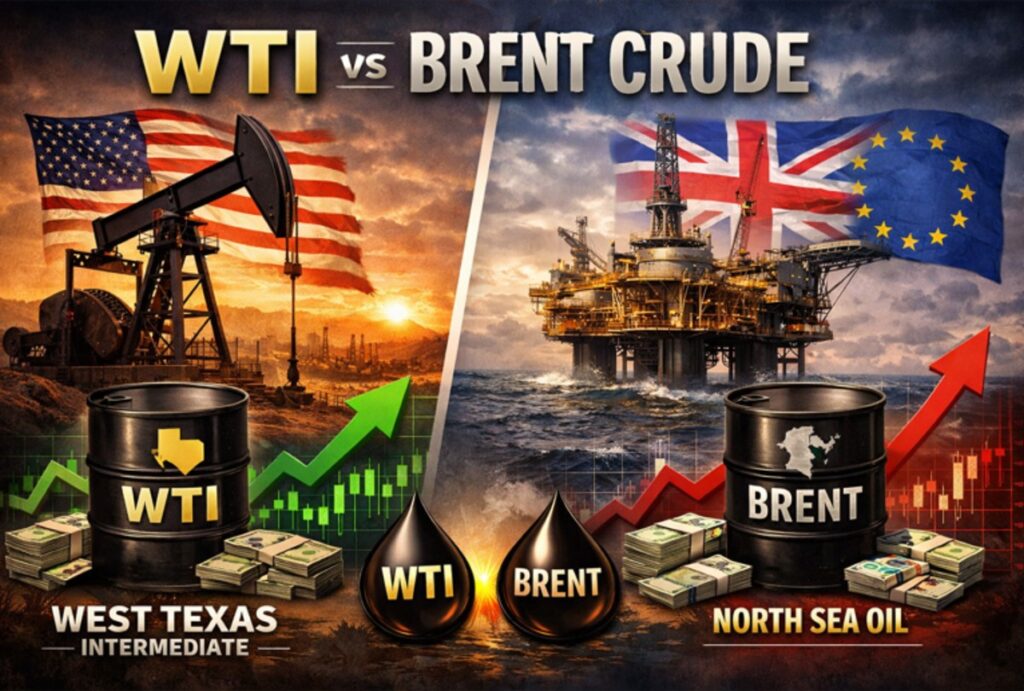
Brent crude futures were up 73 cents, or 0.7%, at $99.21 a barrel at 1049 GMT. West Texas Intermediate futures were up 59 cents, or 0.7%, to $90.26. Both benchmarks climbed about 3% on Tuesday.
At least three container ships were hit by gunfire in the Strait of Hormuz on Wednesday. Iran’s Revolutionary Guards Navy seized two vessels for what it described as maritime violations and transferred them to Iranian shores, the semi-official Tasnim news agency reported.
Iran and the U.S. have imposed restrictions on ships using the strait, which until the Iran war began at the end of February had carried about 20% of global oil and liquefied natural gas supplies.
Earlier, U.S. President Donald Trump said he would indefinitely extend the ceasefire with Iran, hours before it was due to expire. Neither side showed up for peace talks in Pakistan.
US CRUDE, PRODUCTS STOCKPILE DATA IN FOCUS
The ceasefire announcement appeared to be unilateral, and it was not immediately clear whether Iran, or U.S. ally Israel, would agree to extend the truce, which began two weeks ago.
In Europe, Ukrainian President Volodymyr Zelenskiy said the Druzhba pipeline carrying Russian oil was ready to resume operations. Three industry sources, however, said Russia was set to stop oil exports from Kazakhstan to Germany via the pipeline from May 1.
Later on Wednesday, the U.S. Energy Information Administration is due to publish weekly inventory data. Crude stocks fell by 4.5 million barrels last week, while gasoline and distillate stocks also declined, market sources said, citing American Petroleum Institute figures.
Analysts estimated a 1.2 million-barrel draw of crude for the week ended April 17.
“If the EIA confirms the draws and U.S. weekly exports of both crude oil and refined products remain robust, this will be taken as confirmation that consumers in Europe and the Far East are scrambling to secure oil supplies wherever, whenever, and however they can,” PVM analysts said.
($1 = 0.8520 euros)
Additional reporting by Yuka Obayashi. Editing by Barbara Lewis and Mark Potter
Share This:
More News Articles