By
39 min ago 3 min read
A large-scale €80m biomethane plant in Ireland is moving ahead despite the European Commission blocking a key support mechanism in the country’s Renewable Heat Obligation (RHO) scheme just days earlier.
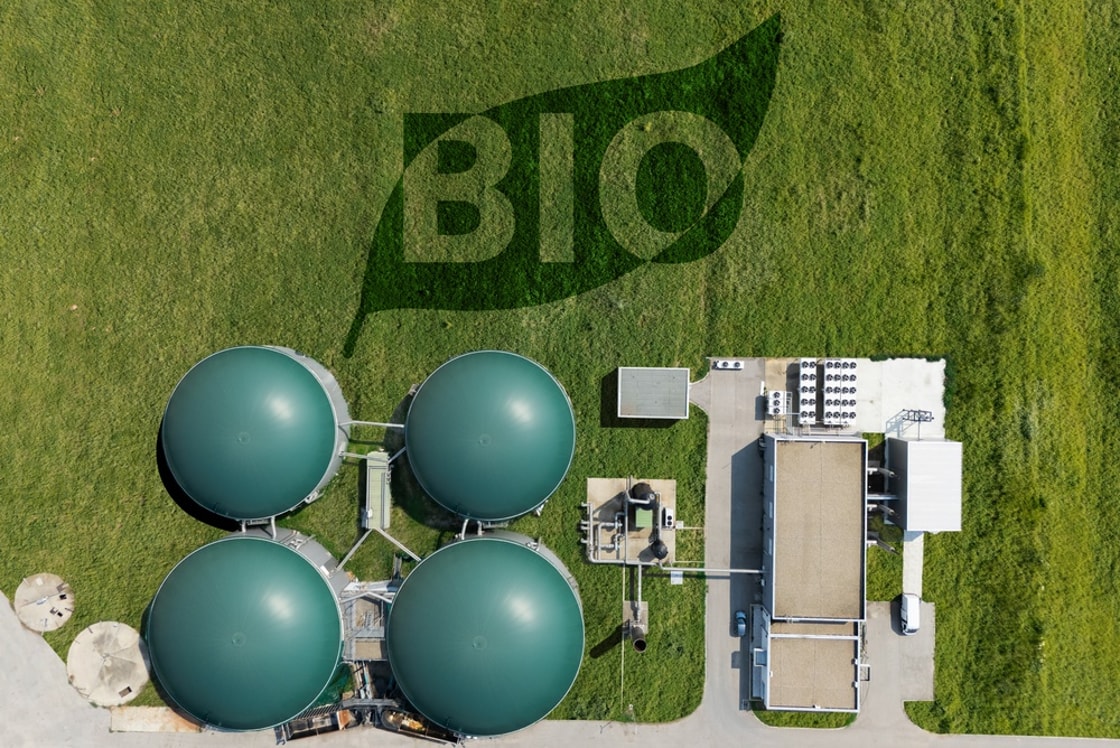
The Little Island facility, under development in Cork by Irish biogas developer Stream BioEnergy, will process 90,000 tonnes of domestic and commercial food and garden waste annually when operational in 2027.
It is expected to deliver more than 80 GWh of biomethane to the country’s electricity grid and reduce greenhouse gas emissions by around 40,000 tonnes of carbon dioxide equivalent per year.
The development follows a setback to Ireland’s biomethane rollout after the Commission issued a detailed opinion rejecting a proposed domestic production multiplier under the RHO.
The mechanism would have allowed Irish-produced biomethane to count as 1.5 units towards supplier obligations, improving project economics and supporting domestic supply. Its removal means projects must now compete more directly with lower-cost imports.
Ireland must now redesign its approach before 29 June or risk infringement proceedings.
“There is now a clear need for the Irish government and the European Commission to swiftly reach an agreement on the RHO so that the future of Ireland’s biomethane sector is protected and can grow over the long term,” said Kevin Fitzduff, co-founder of Stream BioEnergy.
Concern has been raised by the Irish Bioenergy Association, which has called for swift government action to protect the sector.
“2026 will be a make-or-break year for the Irish biomethane sector and those investing in and developing projects need to see focused government action in response to the latest developments,” said CEO Seán Finan.
However, the project’s progress reflects strong commercial backing and contracted revenues despite the policy uncertainty.
Stream has secured funding from investors Goldman Sachs Asset Management and Pioneer Infrastructure Partners SCSp, alongside a gas off-take agreement with energy operator Centrica Energy’s Bord Gáis Energy.
Financing was secured prior to the Commission’s ruling. The project is understood to be structured without reliance on direct subsidies or guaranteed revenues, limiting its exposure to immediate policy changes.
The development is progressing independently of the timeline for the RHO, although the scheme is expected to play an important role in supporting future projects across the sector.
The project and its status serves to suggest that larger, well-financed biomethane developments with secured offtake agreements may continue to progress despite uncertainty around Ireland’s support framework, while smaller or earlier-stage projects could face greater challenges.
The Irish government is also expected to introduce a €200m biomethane capital grant scheme later this year, which may support future project development.