By
37 min ago 2 min read
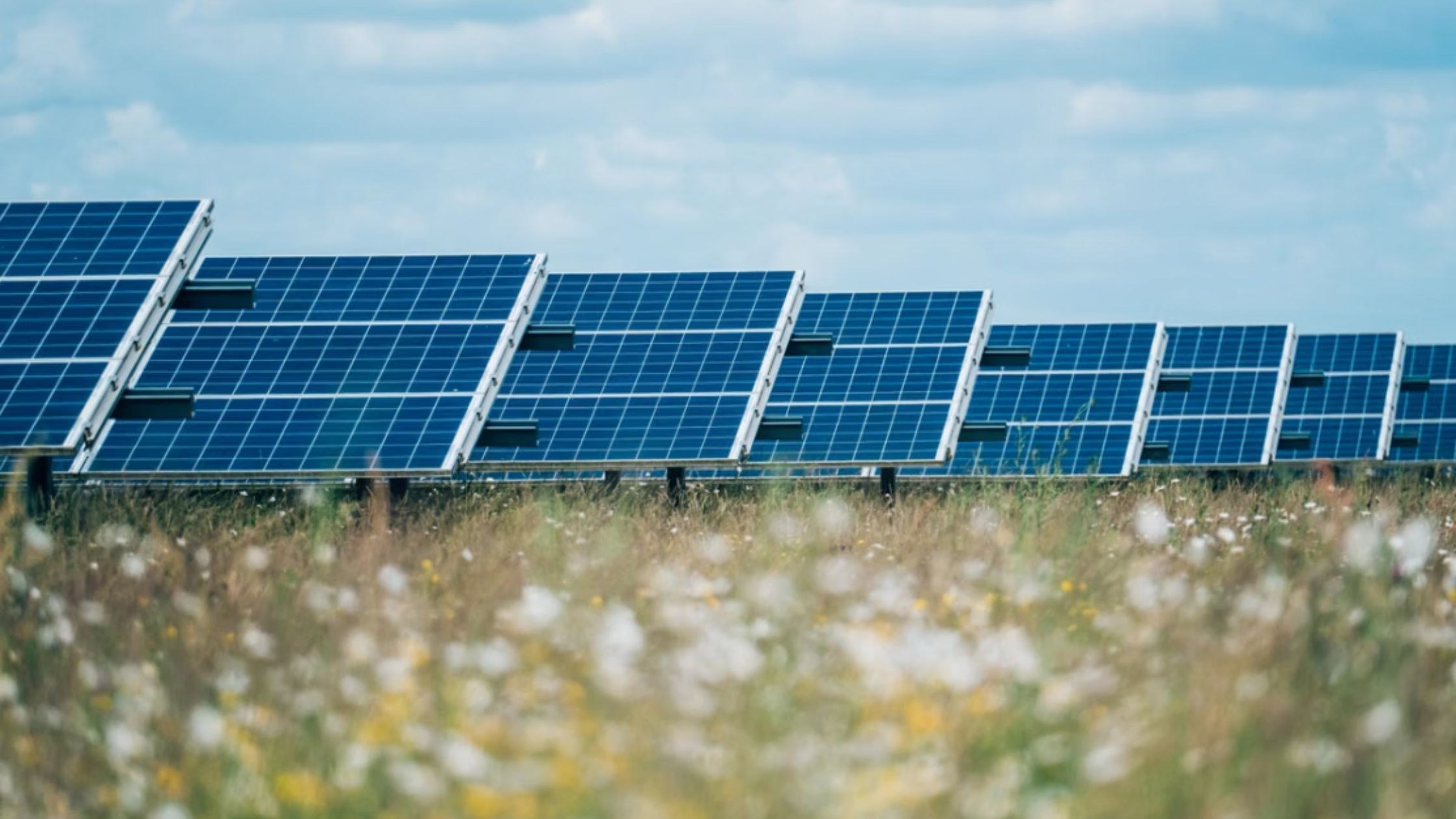
Kazakhstan is putting in the economic foundations for a clean energy push as it aims to deploy 10 GW of renewable capacity by 2035.
At the Regional Ecological Summit 2026 in Astana, it unveiled its ‘just energy transition investment platform’ which aims to attract $20bn of private and public funding.
The central Asian country’s pivot will be welcome from a sustainability viewpoint. Kazakhstan is heavily reliant on fossil fuels, with coal, oil, and natural gas providing roughly 99% of its energy needs.
Infrastructure and grid bottlenecks need to be overcome. Its grid, largely inherited from the Soviet era, is outdated and underprepared for intermittent renewable sources, with high transmission losses.
Another challenge is Kazakhstan imports almost all of its renewable energy technology from China, leading to high logistics costs and dependency.
But Asian collaborations are firmly underway. Last year South Korean engineering firm YPP Corporation outlined plans to invest up to $3.1bn in a green hydrogen and ammonia project.
The Middle East crisis presents pros and cons. Global oil price spikes have bolstered Kazakhstan’s state budget and national fund receipts, as oil accounts for over 50% of its export revenue.
With southern routes through Iran and the Strait of Hormuz severely disrupted, trade has shifted toward the Trans-Caspian International Transport Route (Middle Corridor), making Kazakhstan a critical lynch-pin for trade between China and Europe.
Kazakh businesses have suspended the transport of agricultural goods to Iran and Gulf countries. Additionally, a ban on Iranian food exports has led to immediate shortages and price inflation for essential goods in Kazakhstan.