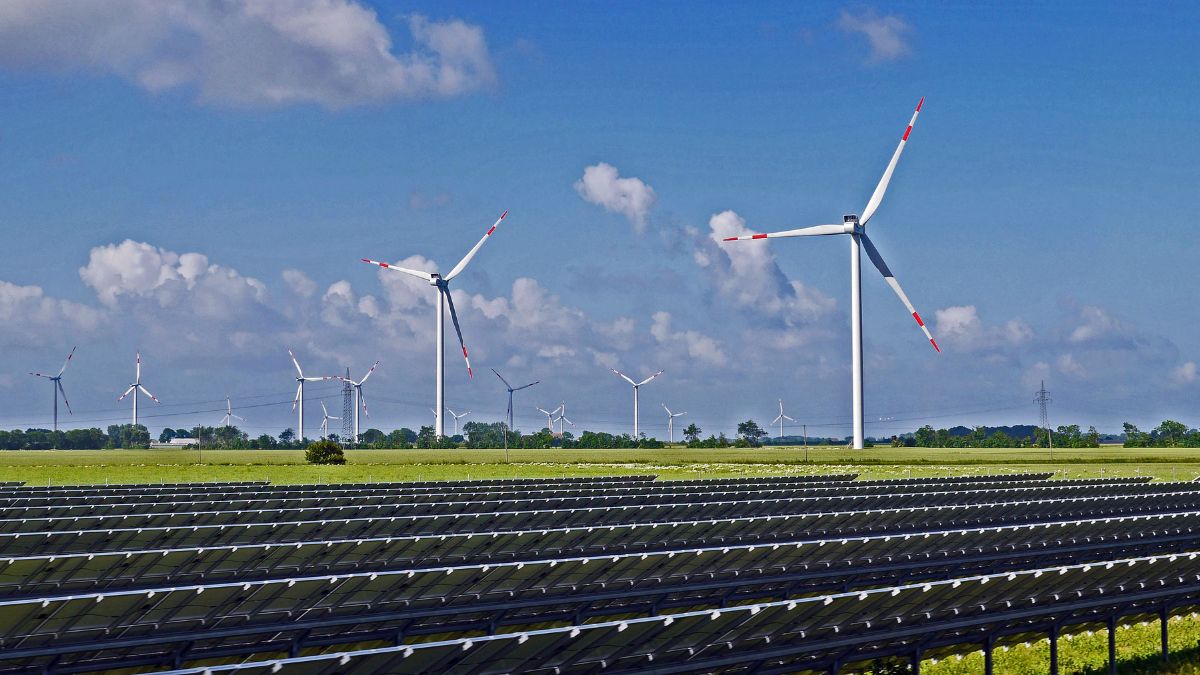
The Gujarat Energy Development Agency (GEDA) has introduced a Standard Operating Procedure (SOP) to streamline the development of off-grid renewable energy projects, including solar, wind, and wind-solar hybrid systems. This initiative aligns with the Gujarat Renewable Energy Policy 2023 and aims to assist project developers in meeting Renewable Purchase Obligations (RPO) for entities that lack grid connectivity.
The SOP outlines a structured process, starting with provisional registration through GEDA’s online portal. Developers must pay a registration fee and submit necessary documents, including project details and ownership verification. The next step requires obtaining a No Objection Certificate (NOC) from the relevant distribution company (DISCOM) or Gujarat Energy Transmission Corporation (GETCO), ensuring the proposed project is not connected to the state grid.
For wind and hybrid projects, developers must seek verification of wind turbine coordinates from GEDA before proceeding. After securing land and obtaining the necessary approvals, they must apply for final registration and submit a detailed project report. The electrical design of the project must then be approved by the Chief Electrical Inspector (CEI) or the Central Electricity Authority (CEA).
Once all approvals are in place, the project moves towards installation and commissioning. This involves obtaining inspection and charging approval for electrical installations and sealing the energy generation meter by DISCOM. GEDA then conducts a site inspection to verify the setup before issuing a certificate confirming energy generation compliance.
Project owners are required to submit monthly energy generation data, certified by the CEI, to GEDA for RPO compliance. Additionally, all projects must adhere to guidelines set by the Ministry of New and Renewable Energy (MNRE), including specifications for wind and hybrid projects.
The SOP also ensures legal compliance, requiring developers to provide proof of land ownership, financial feasibility, and environmental impact assessments. Developers must affirm that their projects will not be connected to the grid and follow all safety regulations.
To further regulate project implementation, a fee structure has been established based on project capacity, with wind and hybrid projects incurring higher fees than solar projects. The development fees range from ₹3 lakh for projects up to 25 MW to ₹18 lakh for those exceeding 100 MW, while solar projects are charged ₹26,000 per MW.
The introduction of this SOP aims to expand renewable energy adoption in Gujarat by providing a clear framework for off-grid projects. It is expected to facilitate energy independence, enhance sustainability, and promote a structured approach to renewable energy development in isolated regions. By ensuring compliance with technical, financial, and regulatory requirements, the SOP seeks to create a streamlined and transparent process for project developers.