

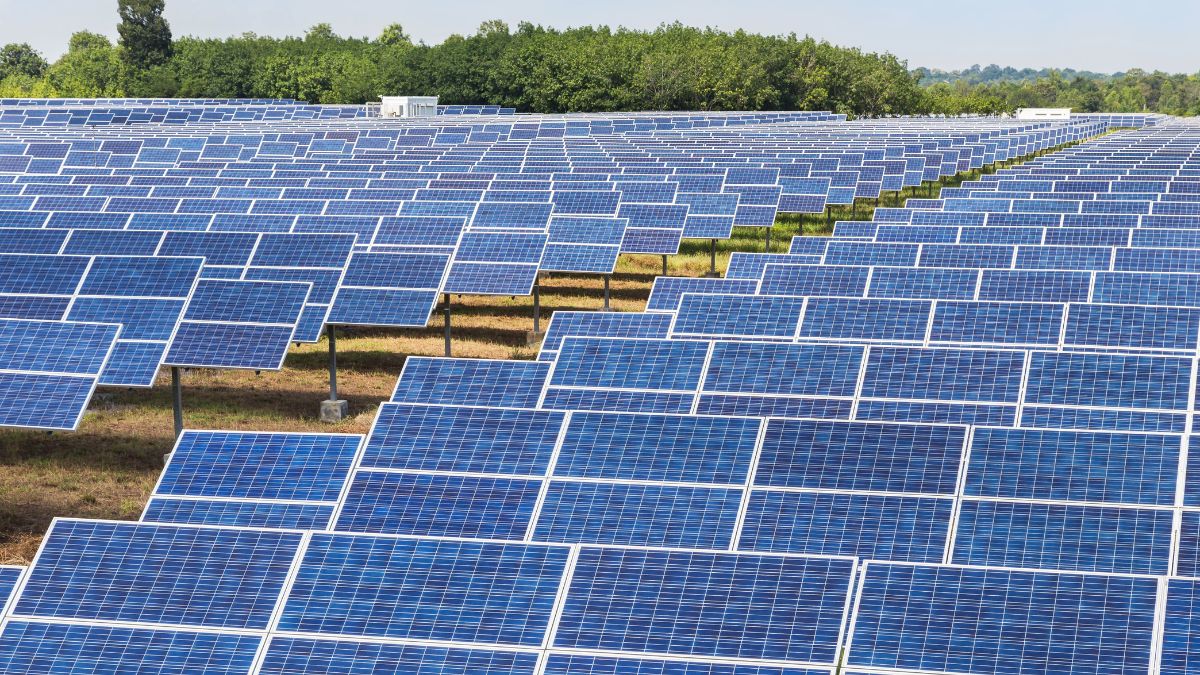
Singapore’s solar energy sector is entering a new phase of expansion after the country reached 2 GWp of installed solar capacity, five years ahead of its original 2030 target. The milestone has prompted the Government to raise its solar ambition to 3 GWp by 2030, representing a 50% increase over the previous target.
The higher target comes as declining equipment costs, improved panel efficiency and shorter payback periods make rooftop solar increasingly attractive to residential, commercial and industrial consumers.
Government data shows that the number of private residential buildings with solar installations increased more than fourfold, from around 1,400 in 2020 to approximately 6,900 in 2025.
Rooftop solar has become particularly important for Singapore due to the country’s limited land availability for large-scale renewable energy projects. Residential buildings, factories, warehouses and commercial properties provide opportunities for distributed solar generation without requiring additional land.
Solar SG, which says it has completed more than 1,000 solar projects, is positioning itself to benefit from the country’s growing rooftop solar market.
As part of its longer-term expansion strategy, Solar SG is exploring a potential initial public offering (IPO). The proposed listing could provide the company with additional capital to expand its solar business, strengthen its financial base and support future growth.
The company is also looking at opportunities to build a scalable platform serving Singapore’s residential, commercial and industrial solar markets, with potential expansion into regional markets.
Residential Solar Market Remains Underpenetrated
Despite the rapid growth in rooftop installations, Singapore’s residential solar market still has significant room for expansion.
As of the end of 2025, around 6,900 private residential buildings had registered solar installations for exporting excess electricity to the grid. These installations represented approximately 115.3 MWp, accounting for about 5.5% of Singapore’s total installed solar capacity.
Landed properties with suitable rooftop space could provide a significant opportunity for further residential solar deployment.
The growing adoption of solar is also changing consumer expectations. Customers are increasingly evaluating panel efficiency, inverter technology, energy monitoring, battery storage and electric vehicle charging alongside solar installations.
This is driving a shift from standalone photovoltaic systems toward integrated energy solutions that combine solar generation, storage and other energy technologies.
With the Government’s revised 3 GWp solar target for 2030, Singapore will need to add another 1 GWp of solar capacity over the coming years.
For companies such as Solar SG, the next phase will focus on expanding rooftop deployment and making solar adoption more accessible and economically attractive to property owners.
The country’s progress from 2 GWp to the new 3 GWp target highlights the growing role of distributed solar in Singapore’s energy transition.
Subscribe to get the latest posts sent to your email.






)