By Jamie McGeever
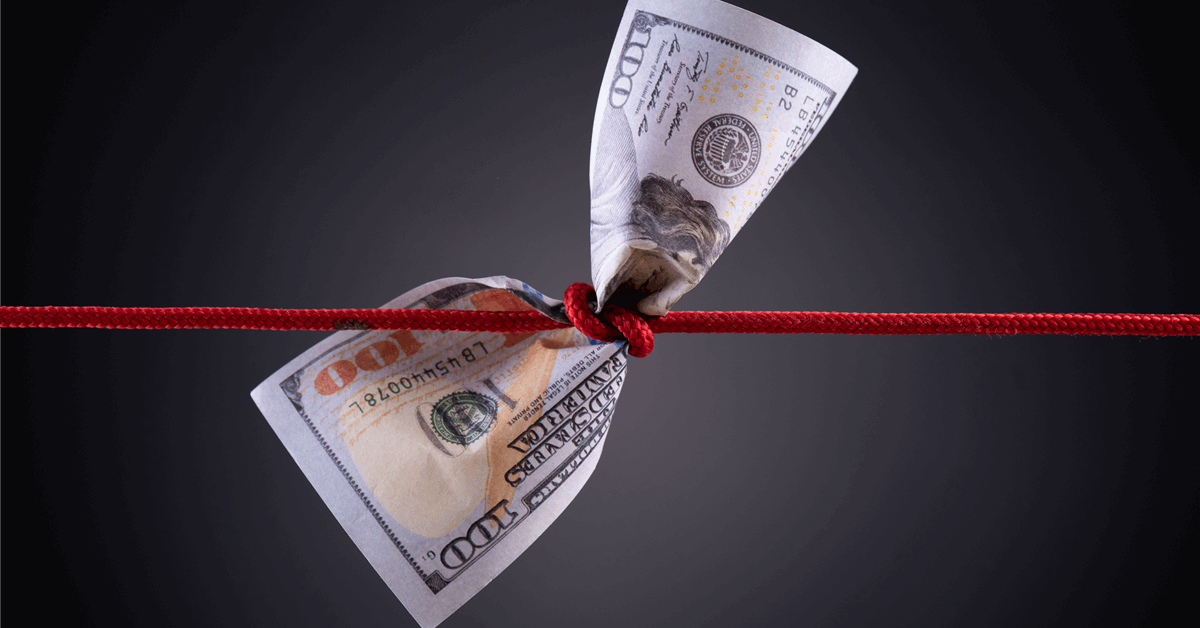
U.S. inflation has been above the Federal Reserve’s target for so long that many observers believe policymakers have implicitly accepted a higher level. The worry now is that it just keeps rising.
Get the Latest US Focused Energy News Delivered to You! It’s FREE:
Businesses, consumers and investors could be forgiven for thinking that policymakers, despite their repeated commitment to the Fed’s 2% goal, are comfortable with 3% inflation.
Headline annual PCE and CPI inflation rates have been above the Fed’s 2% target every single month for five years and counting. So has core, stripping out more volatile food and energy costs.
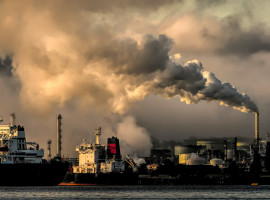
And the problem will get worse before it gets better. The closure of the Strait of Hormuz is putting such strong upward pressure on energy prices, from gasoline to diesel to jet fuel, that 4% U.S. inflation is rapidly coming into view.
Figures last week showed that the annual change in the PCE price index – the Federal Reserve’s preferred measure of inflation – hit 3.5% in March, the highest in nearly three years. The 0.7 percentage point jump from the month before was the biggest in five years.
Core PCE inflation, which the Fed pays equally close attention to, rose more slowly to 3.2%. But the longer energy prices remain elevated, the more likely they will eventually bleed into core inflation. On that score, policymakers have reason to be worried.
UPSIDE RISKS
The Cleveland Fed’s real-time “Inflation Nowcasting” model projects that annual core PCE is currently running at 3.7% with headline PCE tracking at 5.4% and headline CPI at an eye-popping 6.1%. The red flags are suddenly a much deeper shade of scarlet.
Citing the relentless rise in gasoline prices, UBS economist Alan Detmeister reckons headline CPI inflation for May will come in at 4.3% – a rise of almost two full percentage points from 2.4% in February, before the Iran war started, and one of the largest three-month changes in headline CPI in decades.
Detmeister estimates that three-month annualized headline CPI inflation will reach 8.51% in May, which would be the fifth-largest reading since 1982 excluding the 2021-2022 pandemic years.
“Given the jump in daily gasoline prices in recent days, I think the risks to our headline CPI forecast for May are to the upside,” he says.
An inflation spike of this magnitude is not out of the question.
The average price of gasoline at the pump is nudging $4.45 a gallon, up nearly 50% since the start of the war, according to the American Automobile Association. Analysts say that’s the biggest increase in at least 30 years. And jet fuel is up more than 90% since the war started, with fuel oil jumping by more than 70%.
If these increases don’t spill over into core prices, policymakers can breathe a little easier – but that’s a big “if.” The Fed already appears to be getting anxious, judging by the fact that last week’s policy meeting featured the most dissents since 1992.
BAPTISM OF FIRE
The timing could not be worse for Kevin Warsh, who is expected to be confirmed as the new Fed chair later this month, and it casts extra doubt over his suggestion that the Fed should rethink its main inflation metric.
Warsh has floated the idea of replacing the PCE index as the central bank’s main inflation guide with a new yet-to-be-determined “underlying” measure along the lines of the “trimmed mean” calculated by the Dallas and Cleveland Feds.
The Dallas and Cleveland Feds’ trimmed mean annual rates of inflation are currently lower than the more established PCE and CPI measures: the Cleveland Fed’s trimmed mean annual rate was 2.3% in March, and the Dallas Fed’s measure was 2.9%.
Warsh will find it difficult to convince colleagues that they should put more stock in these gauges when the ones the Fed has been relying on for decades are flashing red.
Bob Elliott, CEO and CIO at Unlimited, reckons most major developed economies will soon experience 4% headline inflation if persistent $100-a-barrel oil flows through to broader prices.
“3% is already the new 2%,” Elliott says. “When you come into an inflation shock with inflation already elevated, the it’s transitory are much lower.”
That’s probably good advice. If Warsh learns one thing from outgoing chair Jerome Powell, it will be to avoid using the dreaded T-word.
The opinions expressed here are those of Jamie McGeever, a columnist for Reuters
By Jamie McGeever; Editing by Marguerita Choy
Share This:
More News Articles