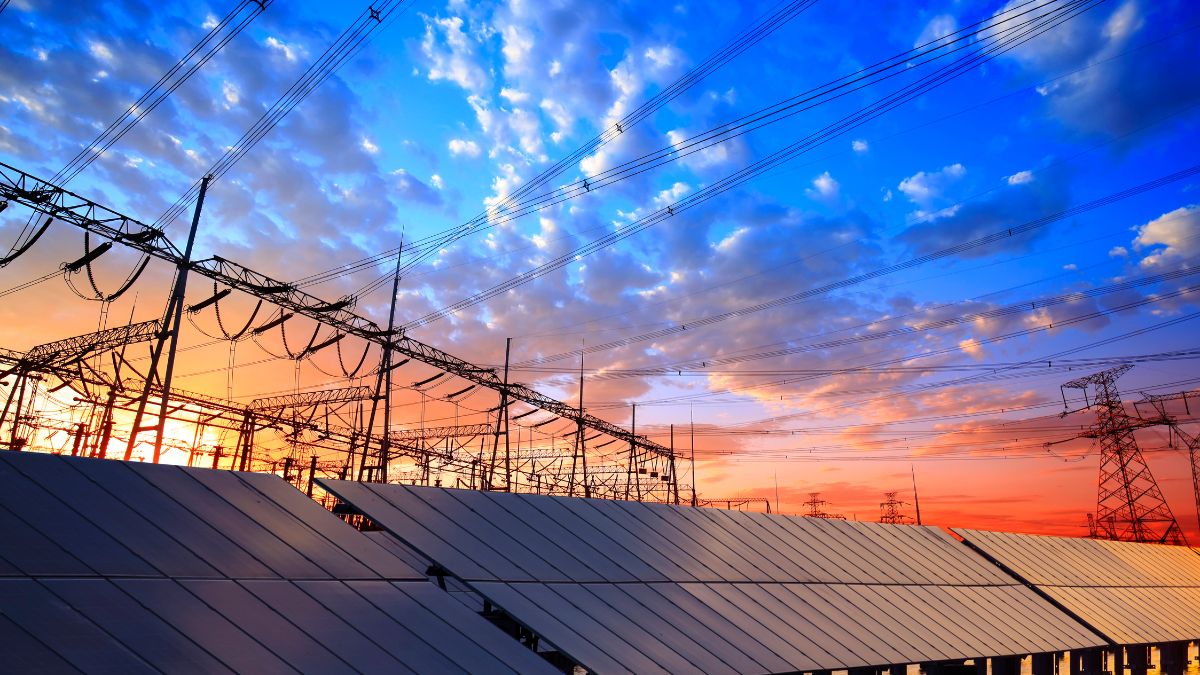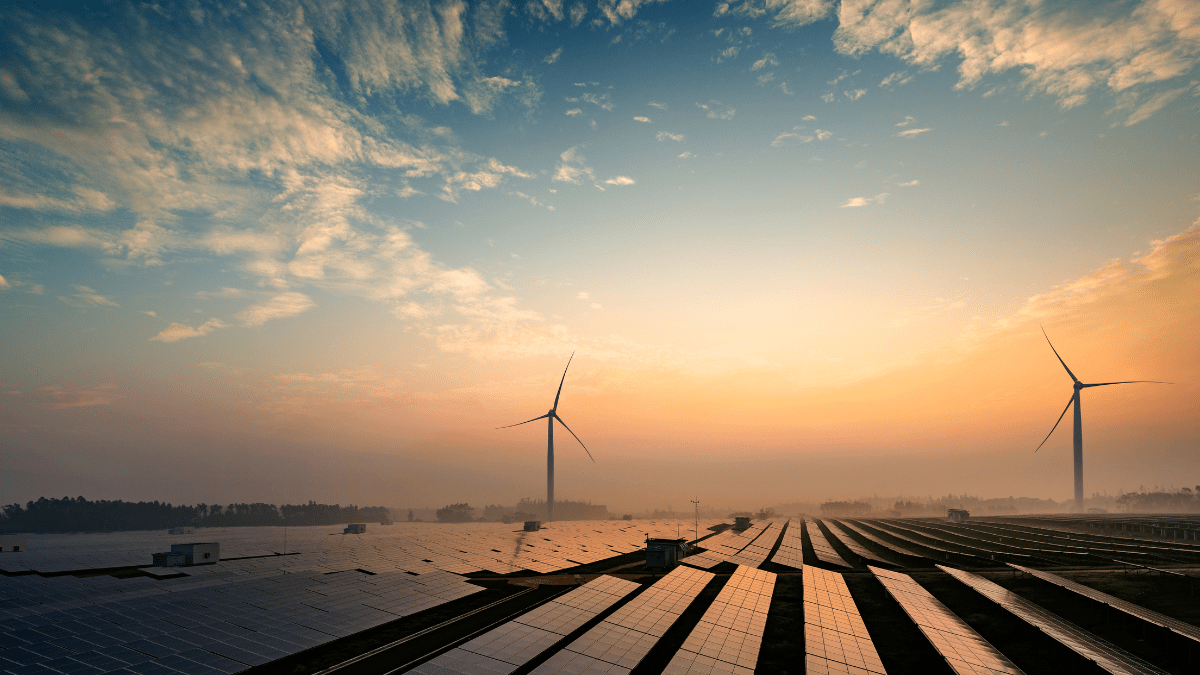
A new report by the International Renewable Energy Agency (IRENA) has highlighted a major turning point in the global energy sector. According to the report titled 24/7 Renewables: The Economics of Firm Solar and Wind, renewable energy sources such as solar and wind power, when combined with battery storage systems, are now capable of delivering reliable electricity around the clock at costs lower than fossil fuels. The findings challenge the long-standing belief that renewable energy is too unreliable to support modern economies without backup from coal or natural gas plants.
The report explains that “firm” renewable energy refers to electricity that remains available even during periods when the sun is not shining or the wind is not blowing. This is made possible through advanced battery storage systems that store excess electricity generated during sunny or windy periods and release it later when demand increases. In regions with strong solar and wind resources, these hybrid renewable systems are now capable of generating electricity at costs ranging between USD 54 and USD 82 per megawatt-hour.
The report compares these costs with traditional fossil fuel power generation. New coal-fired power plants in China currently produce electricity at costs between USD 70 and USD 85 per megawatt-hour, while new gas-fired plants globally often exceed USD 100 per megawatt-hour. This comparison clearly shows that renewable energy is becoming not only cleaner but also more economical than conventional energy sources.
IRENA noted that the rapid decline in renewable energy costs has been driven by major technological improvements over the past decade. Since 2010, the installation cost of solar energy projects has fallen by 87%, while onshore wind power costs have dropped by 55%. Battery storage technology has seen the most dramatic change, with costs declining by 93% during the same period. These sharp reductions have made renewable energy projects increasingly attractive for utilities, industries, and governments worldwide.
The report also highlighted the growing importance of reliable, clean power for energy-intensive industries. Large-scale facilities such as data centers and artificial intelligence operations require uninterrupted electricity supplies to maintain operations. Hybrid renewable systems with battery storage are emerging as a strong solution for such industries because they can provide stable and continuous power while reducing energy costs and carbon emissions.
Beyond financial benefits, the report emphasized the strategic importance of renewable energy. Global energy markets have experienced major disruptions in recent years due to geopolitical tensions, conflicts, and fuel price volatility. According to IRENA, renewable energy offers countries a more secure and independent energy supply because solar and wind resources are locally available and less exposed to international market shocks.
Another advantage highlighted in the report is the faster construction timeline of renewable energy projects. Most solar and wind projects can become operational within two years, while traditional fossil fuel plants often require much longer periods for planning, approvals, and construction.
Looking ahead, IRENA predicts that the cost of firm renewable energy systems could decline by another 30% by 2030 and nearly 40% by 2035. The agency believes these falling costs will help industries such as steel manufacturing and shipping transition toward cleaner fuels and low-carbon operations. IRENA has urged governments around the world to accelerate the transition by simplifying project approvals, modernizing electricity grids, and increasing investment in clean energy infrastructure. According to the report, 24/7 renewable energy is now becoming the most affordable, reliable, and secure pathway for the future global energy system.
Subscribe to get the latest posts sent to your email.