India’s state-owned energy enterprises could play a transformative role in strengthening national energy security and accelerating the country’s clean energy transition by progressively shifting a significant share of their annual capital expenditure from fossil fuels to renewable energy, storage and electrification, according to a new report by the International Institute for Sustainable Development.
The analysis highlights that India’s nine major public sector energy companies invested approximately ₹2.6 trillion in FY 2025, but nearly ₹2.3 trillion of that was directed toward fossil fuel-related activities, while only around ₹0.3 trillion was allocated to clean energy initiatives. The report suggests that gradually rebalancing future investments could unlock close to ₹2 trillion annually for low-carbon energy infrastructure, creating substantial momentum for India’s long-term net-zero and energy security goals.
The report notes that these public sector undertakings (PSUs) are uniquely positioned to lead the transition because of their financial strength, large-scale operational footprint and access to low-cost capital. Together, the nine firms generated ₹26 trillion in revenue in FY 2025, equivalent to nearly 8% of India’s GDP, while contributing roughly ₹6 trillion to government revenues through taxes and dividends. This scale gives them significant influence over the direction of India’s energy ecosystem.
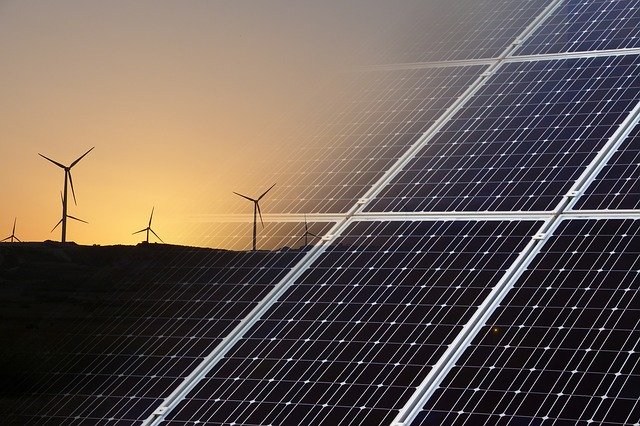
Researchers argue that future investments should increasingly prioritize firm and dispatchable renewable power, battery energy storage systems, critical mineral supply chains, grid modernization and electrification solutions. Such a strategic shift would help India reduce dependence on volatile global fuel markets while improving long-term energy resilience and lowering emissions.
The report also underscores the climate significance of coordinated PSU action. Eight of the nine companies account for a sizeable share of India’s direct industrial emissions, while their wider downstream emissions footprint is considerably larger due to the sale and use of fossil fuels across the economy. Because these companies operate in an interconnected energy value chain—from coal production and power generation to refining and distribution—aligned investment decisions could deliver broad system-wide decarbonization benefits.
With India’s clean energy transition increasingly focused on reliability, storage and grid flexibility rather than capacity addition alone, the report concludes that public sector energy firms will remain central to shaping the country’s next phase of sustainable growth.
Subscribe to get the latest posts sent to your email.