Canada’s oil sands can grow, but getting the barrels out of the country is a problem.
This is a constraint that has defined the sector for years. President Scott Stauth told analysts the industry needs a West Coast export line to unlock meaningful growth.
“We need that pipeline to be able to grow oil sands in a significant way,” Stauth said, pointing to a proposed 1 million bpd line from Alberta to British Columbia’s northwest coast.
Production is already pushing limits. Canadian Natural averaged 1.64 million boepd in the first quarter, up from 1.58 million a year earlier. Output at its Jackfish thermal project hit a record 134,396 bpd, running above nameplate capacity. In April, total oil sands production across its assets reached about 630,000 bpd.
But the issue isn’t production.
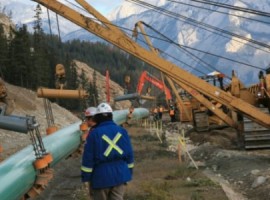
Pipeline constraints have repeatedly forced Canadian producers to accept lower prices or slow growth. Even with the Trans Mountain expansion in service and incremental capacity coming through Enbridge’s Mainline, the system is still tight.
Producers are lining up options. A separate proposal from South Bow and Bridger Pipeline would move roughly 550,000 bpd to the United States by reviving parts of the Keystone XL route. Expansion work is also planned on existing systems.
Still, the largest projects remain on hold. Canadian Natural has a 150,000 bpd expansion at its Jackpine site ready to move forward. It is waiting for confidence that takeaway capacity will be there.
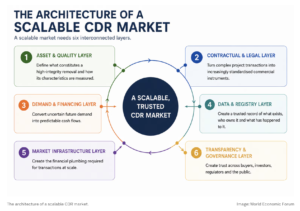
Policy is also in the mix. Federal and provincial governments are still negotiating carbon pricing rules, and Ottawa has tied support for a new West Coast line to large-scale carbon capture. Stauth did not address that condition.
By Julianne Geiger for Oilprice.com
More Top Reads From Oilprice.com
- Oil Prices Edge Higher as Iran Deal Doubts Resurface
- Pakistan Issues Emergency LNG Tender for Two Cargoes as Power Crisis Deepens
- Average U.S. Gasoline Price Tops $4.50 to Near Four-Year High