By
1 hour ago 2 min read
Cheniere has reported a mixed set of results, recording $3.5bn net loss in Q1 2026 after strong Q4 exports underlined the strength of the US LNG sector.
The loss was not due to poor business performance but large non-cash accounting losses related to hedging. The sharp rise in international gas prices and extreme volatility, exacerbated by conflicts in the Middle East, forced Cheniere to record high ‘unrealised’ losses on derivative contracts.
The financials took some of the gloss off LNG results after it reported record loading of 680 TBtu and 185 cargoes exported in Q4 2025, and 187 LNG export cargoes in Q1.
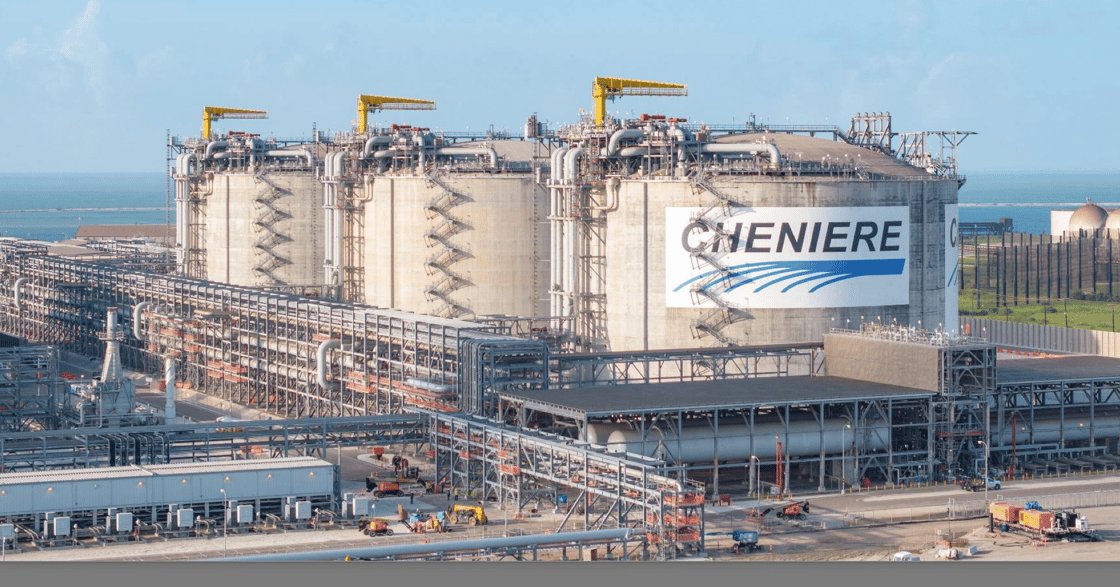
Capacity is growing to keep pace with demand with Trains 5 to 7 expected at Corpus Christi Stage 3 (CCL) in Texas throughout this year. Train 5 reported its first LNG in February and first LNG production from the sixth train is “imminent”. Production capacity of trains 1 to 5 totals 23 million tonnes per annum (mtpa).
Adjacent to CCL Stage 3 is , due to come on stream in the second half of 2028, which will add 5 mtpa.
Texas’s Port of Corpus Christi recorded record first-quarter volumes of 54.5 million tonnes in 2026, driven by . The port said LNG shipments rose by around 1.5 million tonnes year-on-year, driven by ongoing commissioning at Stage 3.
Cheniere has over 53 mtpa of liquefaction capacity in operation, approximately 8 mtpa under construction, and over 40 mtpa in the regulatory permitting process.
Through Cheniere Partners, it operates liquefaction and export facilities with a total production capacity of over 30 mtpa of LNG at the Sabine Pass LNG terminal in Cameron Parish, Louisiana.
The US has been the dominant driver of LNG liquefaction project final investment decisions, accounting for more than 55% since 2019, according to the International Energy Agency. Qatar is a distant second with around 15%, while the remaining roughly 30% is spread across more than a dozen suppliers in the Middle East, Africa, North America, South America, Asia Pacific, and Russia.