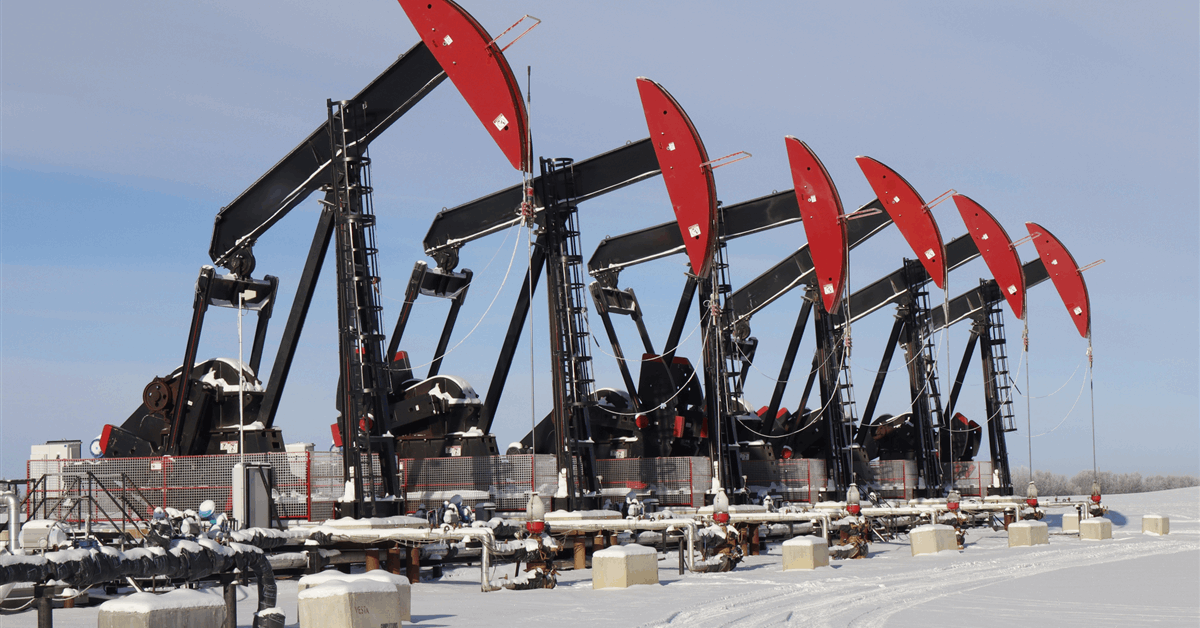
Russia expects its oil production to remain flat in 2026 and grow modestly in the coming two years as its energy infrastructure comes under intense drone attacks from Ukraine.
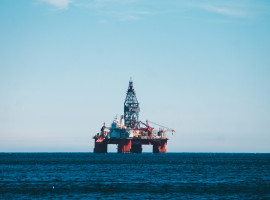
The nation’s oil producers are projected to pump about 511 million tons of crude oil and condensate this year, equivalent to roughly 10.26 million barrels a day, according to the base-case scenario in the Economy Ministry’s outlook published Tuesday. Annual output is seen edging up to 516 million tons in 2027, and 525 million tons in the following two years.
Russia, second only to the US in crude production as the Middle East conflict reduced Saudi supplies, relies on oil and gas for nearly a fifth of its budget revenues, with the petrodollars helping fund the Kremlin’s full-scale invasion of Ukraine. In a bid to reduce Moscow’s war chest, Kyiv has been attacking key Russian oil assets, from refineries to sea export outlets.
The recent wave of drone strikes has disrupted Russia’s seaborne exports and oil refining. Any prolonged issues with exports and oil-processing may force the nation to cut production.
Russia has classified most of its oil-industry data since the start of the war against Ukraine in early 2022, making independent assessment of its output challenging. Based on data from the Organization of the Petroleum Exporting Countries, in the first three months of 2026 Russia pumped an average 9.19 million barrels a day of crude. The figure excludes condensate, a very light type of oil that historically has accounted for around 10 percent of the nation’s total output.
Russia’s oil exports, meanwhile, are projected to jump to more than 237 million tons this year, equivalent to 4.76 million barrels a day, according to the Ministry’s outlook. Next year, the flows overseas are forecast to fall to 227.4 million tons, the ministry said, providing no explanation for the changes.
Russia expects its natural gas production to increase gradually from 688.4 billion cubic meters this year to 750.4 billion cubic meters in 2029, with growth in both pipeline and seaborne exports.
Gas exports via pipeline will remain flat this year at 115.5 billion cubic meters, before rising to 127.5 billion cubic meters in 2029. The growth will come with the the launch of the Far Eastern route to China in 2027, with annual supplies starting at 10 billion cubic meters and increasing to 12 billion cubic meters.
Last year, Gazprom PJSC and China National Petroleum Corp. also signed a commercial deal to boost supplies via the Power of Siberia link by 6 billion cubic meters a year, from 38 billion cubic meters currently.
Growth in Russia’s liquefied natural gas exports is expected to be much more significant: 40.3 million tons to be shipped to foreign markets this year, up by a third from 2025, and 66.2 million tons in 2029. The forecast follows increased loadings from the sanctioned Arctic LNG 2 project thanks to demand from China.
Still, the LNG outlook is way below the nation’s earlier goal of producing as much as 100 million tons of LNG per year by the end of the decade. Announced by President Vladimir Putin on several occasions, the target was later pushed back by several years due to Western sanctions.
What do you think? We’d love to hear from you, join the conversation on the
The is a new social experience created for you and all energy professionals to Speak Up about our industry, share knowledge, connect with peers and industry insiders and engage in a professional community that will empower your career in energy.