Heatwaves are becoming more frequent and intense across many parts of the world, especially in regions with large-scale solar installations. While solar photovoltaic (PV) plants depend on sunlight to generate electricity, extremely high summer temperatures can negatively affect their performance. Many people assume that hotter weather always means better solar power generation, but in reality, excessive heat can reduce the efficiency of solar PV modules and impact overall plant output.
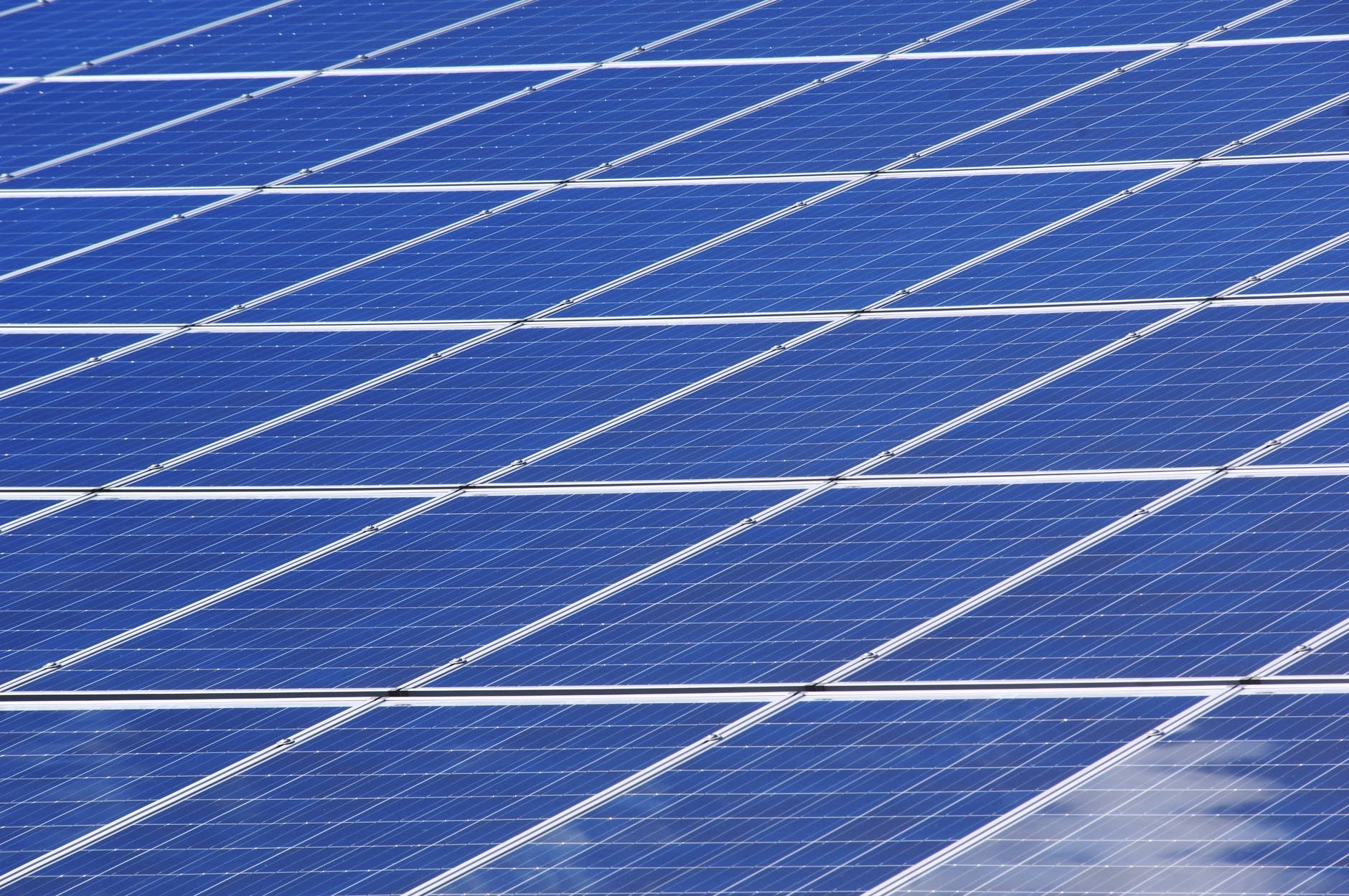
Solar PV modules work by converting sunlight into electricity through semiconductor materials, mainly silicon. These modules perform best under standard test conditions, usually around 25°C cell temperature. During peak summer, especially in heatwave conditions, the temperature of solar panels can rise above 60°C or even 70°C. As the temperature increases, the electrical efficiency of the PV cells starts decreasing. This happens because high heat increases the internal resistance of the semiconductor material, reducing the voltage generated by the module.
Most solar modules have a temperature coefficient, which indicates how much efficiency is lost for every degree rise above 25°C. On average, crystalline silicon solar panels lose around 0.3% to 0.5% efficiency per degree Celsius increase. For example, if the panel temperature rises by 20°C above the standard condition, the power output may drop by nearly 6% to 10%. This loss becomes significant for utility-scale solar plants operating in extremely hot regions.
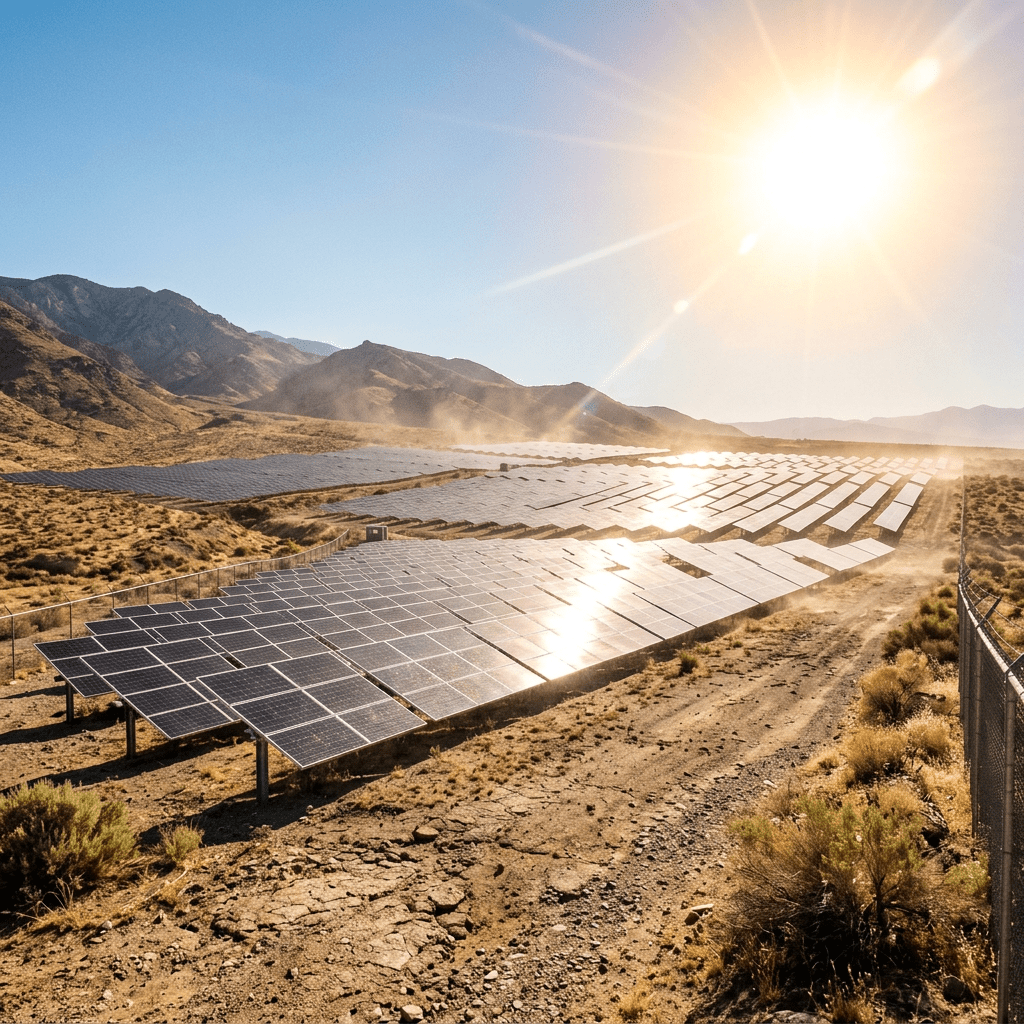
Heatwaves also create additional challenges for solar PV plant operations. Inverters, transformers, and other electrical components can overheat during extreme summer conditions. High temperatures may lead to thermal stress, reduced equipment lifespan, and unexpected shutdowns. Dust accumulation during dry summer months further reduces solar radiation absorption, lowering power generation. In some desert and semi-arid regions, hot winds combined with dust storms can create severe operational issues for solar plants.
Another important factor is the impact of heat on energy demand. During summer, electricity consumption increases sharply due to air conditioning and cooling systems. Although solar generation is usually high during sunny days, efficiency losses caused by heatwaves may reduce the expected power supply during peak demand hours. This creates challenges for grid operators and power utilities in maintaining grid stability.
To reduce the impact of high temperatures, solar plant developers are adopting several technical solutions. Advanced solar modules with lower temperature coefficients are becoming increasingly popular. Technologies such as TOPCon, HJT, and bifacial modules generally perform better under high-temperature conditions compared to conventional modules. Proper ventilation and mounting structures also help in cooling solar panels naturally by improving airflow beneath the modules.
Regular cleaning and maintenance are equally important during summer months. Removing dust and dirt improves sunlight absorption and prevents hotspots on the panels. Some large solar plants are also using robotic cleaning systems and weather monitoring technologies to maintain efficiency during harsh climatic conditions.
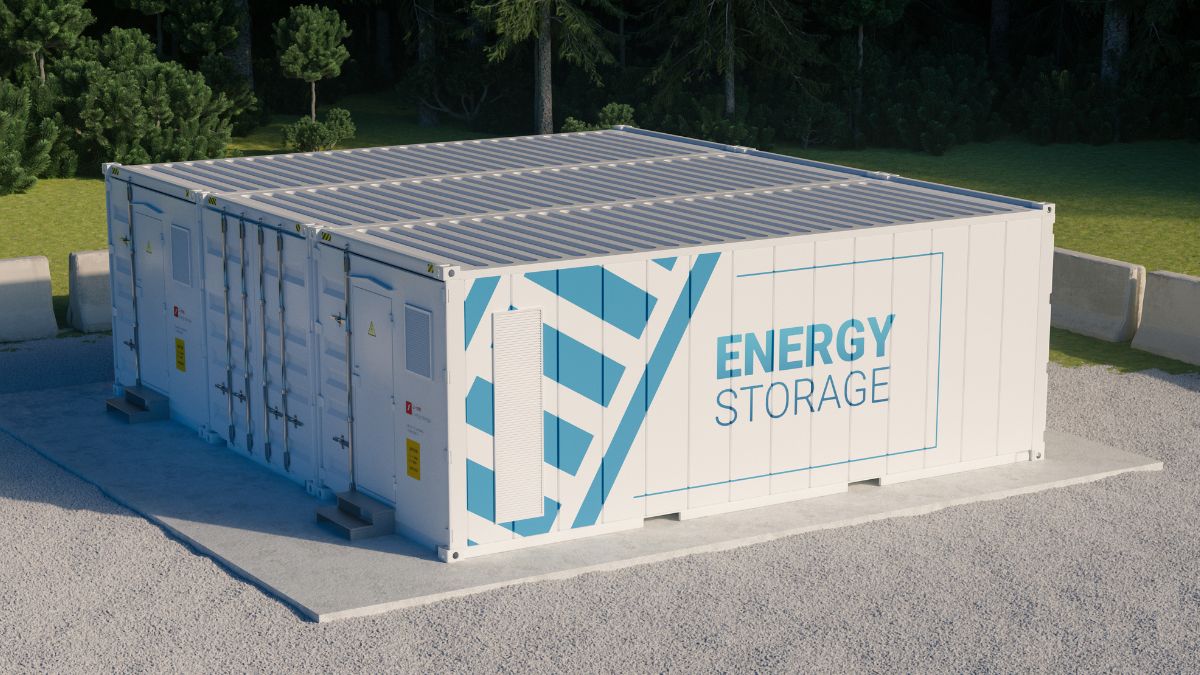
In addition, integrating battery energy storage systems (BESS) with solar PV plants can help manage fluctuations caused by heat-related efficiency losses. Energy storage allows excess daytime electricity to be stored and supplied during peak evening demand periods.
As climate change continues to intensify heatwaves globally, understanding the relationship between temperature and solar PV performance is becoming increasingly important. Improving module technology, adopting better cooling and maintenance practices, and integrating energy storage solutions will play a crucial role in ensuring reliable and efficient solar power generation during extreme summer conditions.
Subscribe to get the latest posts sent to your email.