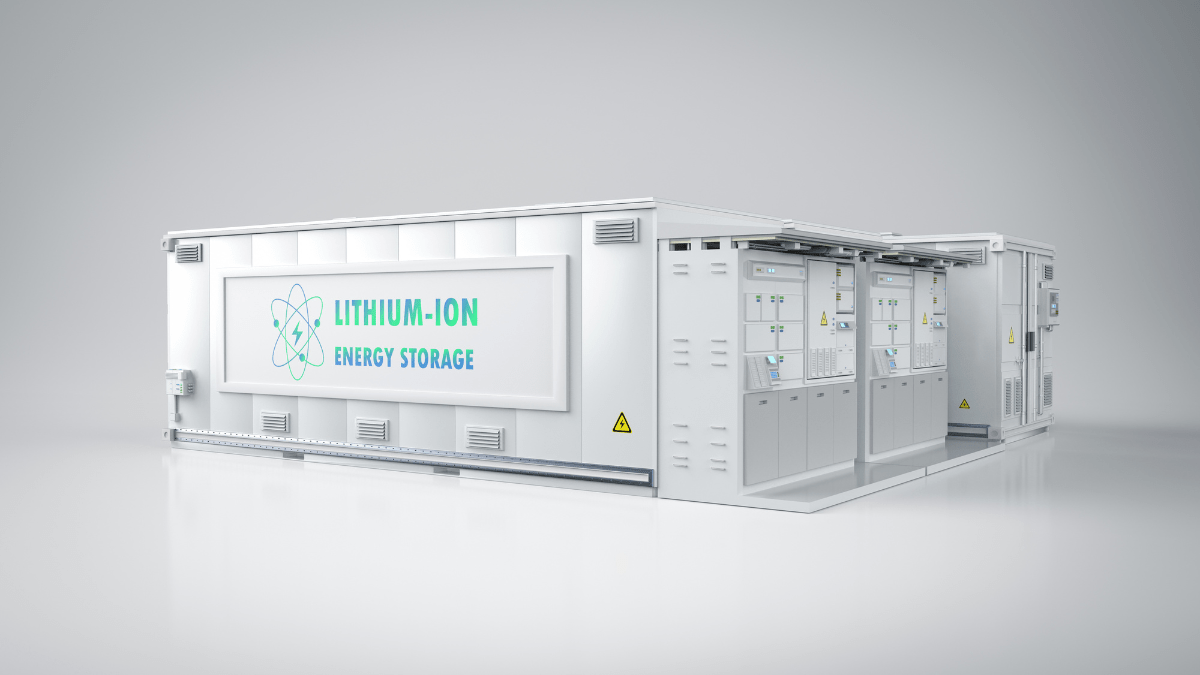
A new briefing note from the Institute for Energy Economics and Financial Analysis (IEEFA) indicates that the rapid success of short-duration battery storage in the United States is now encouraging greater interest in long-duration technologies. These longer-duration systems are attracting attention because they can meet needs that shorter batteries cannot, such as replacing costly and polluting gas peaker plants and supplying power during periods when low wind or limited sunlight restrict renewable generation.
Several U.S. states have also introduced procurement mandates that require utilities to invest in long-duration storage, adding further momentum to the sector.Short-duration lithium-ion batteries, designed to deliver energy for two to four hours, have recorded exceptional growth over the past five years. Data from the Energy Information Administration (EIA) shows that installed short-duration storage capacity in the U.S. expanded from 1,694 megawatts (MW) in January 2021 to 43,419 MW by January 2026.
Current projections suggest this capacity could nearly double again by the end of 2027, reaching close to 90 gigawatts (GW). According to IEEFA, this strong foundation has created an opportunity for longer-duration technologies that can store energy for much longer periods—potentially up to four days. Companies in energy-intensive sectors such as data centres and artificial intelligence (AI) are emerging as significant supporters of these longer-duration systems, and their involvement is expected to accelerate deployment.
IEEFA energy analyst Dennis Wamsted notes that the achievements of short-duration storage are providing a natural pathway for longer-duration solutions. He explains that short-duration batteries have already become valuable tools for utilities seeking to balance reliability and costs, and similar progress could be achieved as longer-duration technologies move into commercial use.
The briefing also highlights how battery storage is expanding beyond early leaders such as California and Texas. In both of these states, battery systems are now used daily, helping to stabilise prices and manage reliability, with new performance records being set on a regular basis. Other regions are beginning to follow the same pattern.
One example noted in the briefing is the growing use of battery storage by Arizona Public Service, demonstrating how utilities across the country are adopting storage to support renewable energy integration. No matter the location, battery storage allows utilities to dispatch renewable electricity when it is most needed, reducing dependence on fossil fuels and helping lower overall energy costs.
Subscribe to get the latest posts sent to your email.