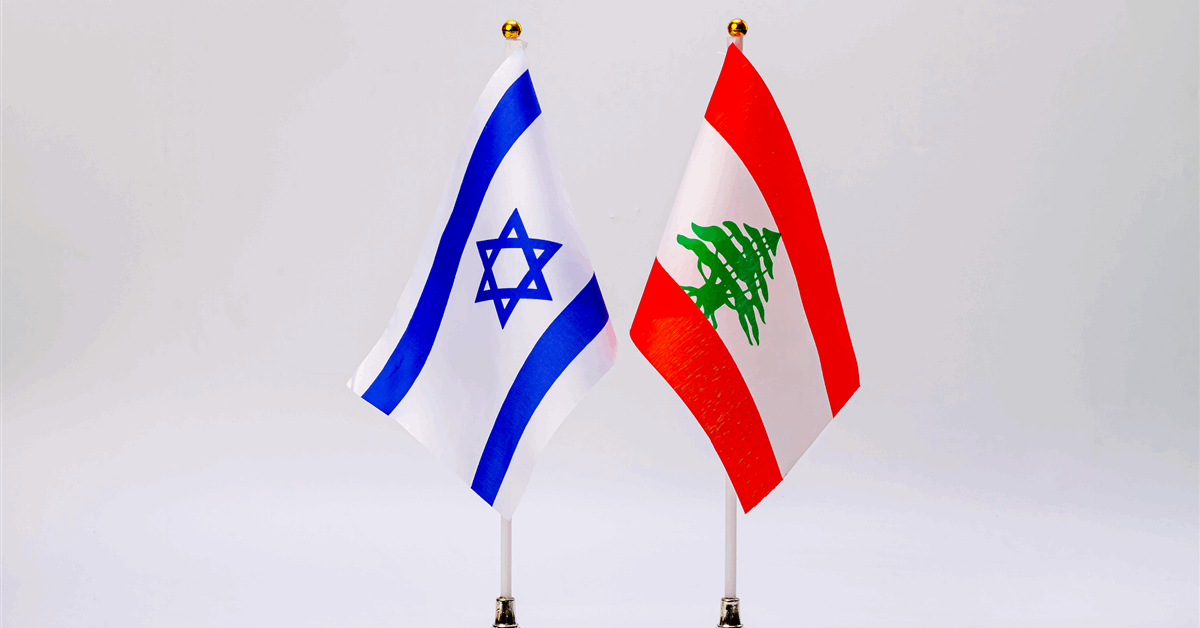
The US said Israel and Lebanon agreed to a ceasefire if Hezbollah also stops fighting, the latest attempt by the Trump administration to keep peace talks with Iran on track as political opposition to the war intensifies.
The White House said the agreement between Israel and Lebanon was contingent on “a complete cessation” of attacks by Hezbollah, a militia backed by Iran, adding in a statement that the group must evacuate all operatives from Lebanese territory south of the Litani River near the border with Israel.
“Israel and Lebanon reaffirmed that they have no hostile intent toward one another and committed to continuing direct negotiations to build confidence, resolve all outstanding issues, and work toward a comprehensive agreement between the two countries,” according to the statement.
There was no immediate indication whether Hezbollah had accepted the terms of the deal. President Donald Trump this week said he spoke with “highly placed representatives” of Hezbollah and that they agreed that all shooting would stop between the group and Israel.
Brent crude oil slipped 0.7 percent to $97.10 a barrel on Thursday and Treasury futures edged higher.
In Washington, Trump was dealt a blow when the Republican-led US House voted Wednesday to halt the US war, underscoring the political anxieties over an unpopular foreign conflict that is taking an escalating economic toll on Americans – five months before midterm elections decide control of Congress.
The House vote won’t end the US military campaign against Iran, but it marked the latest in a series of setbacks for a president who has bent Congress to his will for most of his second term.
Iran has demanded that Israel cease strikes on Hezbollah targets in Lebanon as part of any agreement with the US to resolve the regional war, which has effectively closed the Strait of Hormuz. The disruption has sent global energy prices soaring and fueled inflation, eroding Americans’ purchasing power ahead of November’s elections, which could determine whether Republicans retain control of Congress.
The ceasefire announcement followed days of Israeli military escalation against Hezbollah in Lebanon, prompting a telephone call between Trump and Israeli Prime Minister Benjamin Netanyahu. During the conversation, Trump reportedly used expletives as he pressed Netanyahu to de-escalate the fighting and keep peace talks with Iran on track.
The leaders offered differing accounts on what was agreed – with the US president initially suggesting a broader truce than his counterpart was willing to declare.
The episode cast a fresh spotlight on an element of the war Trump has largely refused to acknowledge: The US and Israel have different ideas about what an end to it should look like. That divide is jeopardizing the fragile, long-running negotiations between Washington and Tehran, which insists that Lebanon must be part of any peace agreement.
“I was a little bit perturbed at him constantly fighting with Lebanon,” Trump said in an interview with the Pod Force One podcast, aired on Wednesday.
The Wall Street Journal reported that Trump has privately told aides he would consider ending the ceasefire with Iran if Tehran kills American troops. The president, however, is reluctant to reignite the conflict and could overlook smaller flare-ups for weeks to avoid a broader regional war, the Journal reported, citing unidentified US officials.
The US and Iran have traded small-scale strikes over the past few days in their most serious flare-up since a ceasefire took effect in April. The most recent attacks have spilled over to Bahrain and Kuwait, where at least one person was killed in an attack on Kuwait’s civilian airport that caused significant damage and forced a suspension of flights for a few hours.
Earlier Wednesday, Trump spoke with Emir Sheikh Tamim Bin Hamad Al-Thani of Qatar, according to the state-run Qatar News Agency, with the emir highlighting “the importance of prioritizing political and diplomatic solutions and dialogue between all parties.”
Here’s more on the war:
- The Israeli army carried out airstrikes on four targets in Gaza City, according to local media reports.
- US and Iranian negotiators are grappling with issues beyond Lebanon, including whether Tehran will allow free passage for ships under an interim accord the sides describe as a memorandum of understanding.
- The risk that Iran is covertly pursuing nuclear weapons is higher today than before the US and Israel launched their first military attacks on the Islamic Republic a year ago, according to Western officials who cited new data circulated by the United Nations atomic watchdog.
What do you think? We’d love to hear from you, join the conversation on the
The is a new social experience created for you and all energy professionals to Speak Up about our industry, share knowledge, connect with peers and industry insiders and engage in a professional community that will empower your career in energy.