By
15 min ago 3 min read
Industrial gas major Linde has signed six new power purchase agreements to source renewable electricity across Europe, Africa and India as it continues to increase the share of low-carbon power used across its operations.
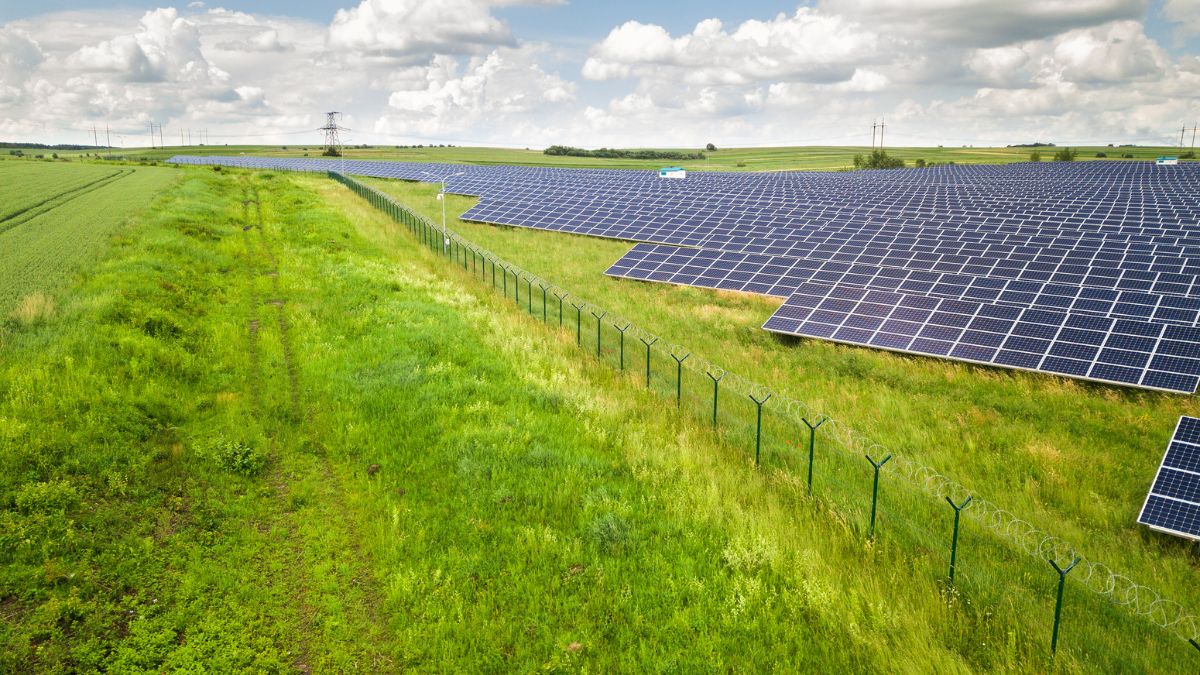
The agreements will supply around 0.63 TWh of renewable electricity annually from newly developed wind and solar projects in Spain, Greece, South Africa and India.
This will take Linde’s active renewable power purchasing to 7.6 TWh in 2025 – almost three times its 2021 level of 2.8 TWh.
“By continuing to actively secure new sources of renewable power, we are accelerating progress toward our target to reduce absolute emissions 35% by 2035 and supporting our customers in reducing their own emissions,” said Erin Catapano, Vice President Sustainability at Linde.
Low-carbon electricity now accounts for around half of the company’s global power consumption.
The agreements reflect a wider shift across the industrial gas sector, where companies are increasingly racing to secure low-carbon electricity to reduce emissions from some of the world’s most energy-intensive manufacturing processes.
A 2024 report by climate think tank Actions Speak Louder found Linde used more electricity in 2024 than Alphabet’s Google, Samsung Electronics and TotalEnergies.
The report also found the electricity consumption of fellow industrial gas majors Air Liquide and Air Products was comparable to that of Shell and Microsoft.
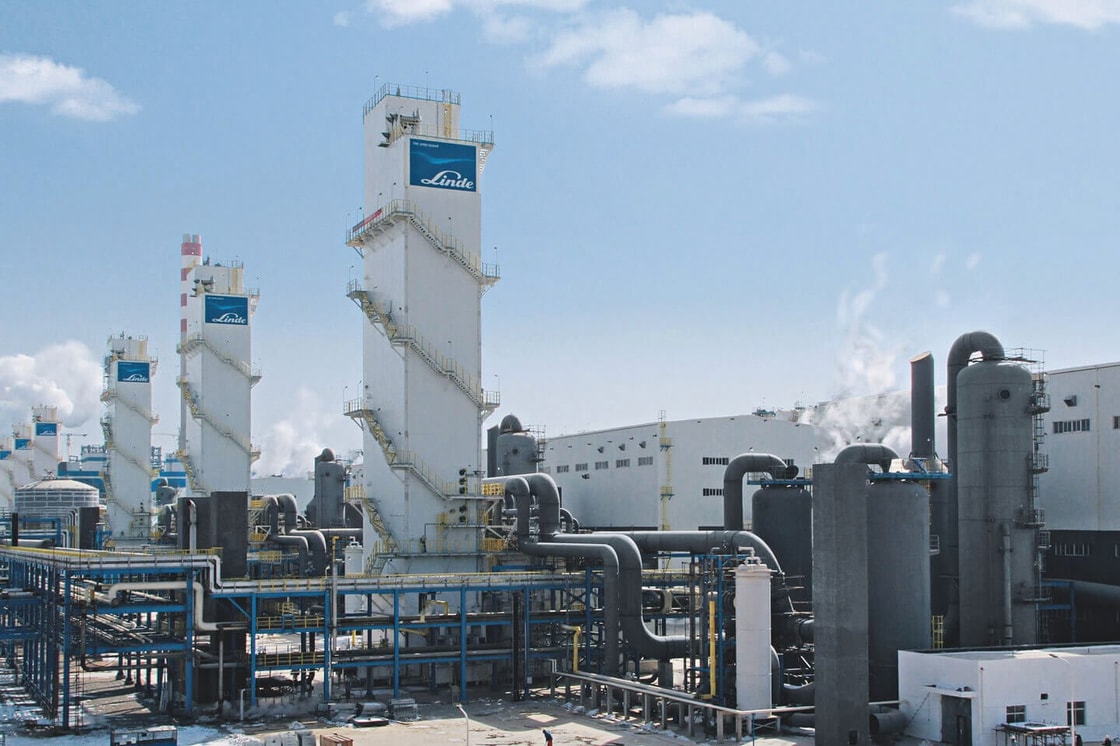
Much of the sector’s electricity demand comes from air separation units (ASUs), which use large compressors to cool atmospheric air into a liquid before separating it into oxygen, nitrogen, argon and other gases through cryogenic distillation.
According to the report, ASUs alone account for around 2% of carbon dioxide emissions in both China and the US.
“The scale of the sector’s greenhouse gas emissions and electricity use is staggering,” said George Harding-Rolls, Head of Campaigns at Actions Speak Louder and one of the report’s authors.
The growing dependence on electricity is also making power sourcing an increasingly important strategic issue for industrial gas companies, particularly as customers demand lower-carbon products and governments tighten emissions requirements.
Despite the rapid expansion in renewable procurement, questions remain over how companies account for low-carbon electricity. In its 2024 Sustainability Report, Linde said 47% of its electricity came from low-carbon sources.
Bloomberg subsequently reported that only around 14% could be directly traced to renewable generation, with the remainder based on grid carbon intensity calculations and environmental attribute certificates.
Speaking at the time, CEO Sanjiv Lamba said Linde’s position as one of the world’s largest industrial electricity consumers gives it the scale needed to accelerate the uptake of renewable energy.
He also said the company was “not a fan” of relying on renewable energy credits or environmental attribute certificates, pointing instead to the rapid expansion of its direct renewable power purchasing over recent years.
In its latest sustainability report, Linde reduced absolute greenhouse gas emissions by 10% versus its 2021 baseline and increased the share of electricity from low-carbon and renewable sources to 50%.
“In 2025, Linde made progress toward our 2035 absolute emissions reduction target, increased our low-carbon energy sources and helped our customers to avoid emissions,” said Catapano.