Oman India Fertiliser Company (OMIFCO) is evaluating multiple pathways to develop low-carbon ammonia as part of its broader decarbonisation and clean energy transition strategy, according to disclosures in its initial public offering (IPO) prospectus.
The initiative comes amid rising global demand for low-carbon ammonia, driven by industrial and energy sectors seeking to reduce emissions across supply chains. OMIFCO said the transition will be implemented in phases over the medium to long term, aligned with national climate goals and emissions reduction targets.
The company has already undertaken several studies focused on decarbonisation and clean energy integration, including the OMIFCO Roadmap on Decarbonisation & Clean Energy, a carbon capture, utilisation and storage (CCUS) pre-feasibility study, and the Sur Hydrogen and Energy Transition Cluster pre-feasibility study. All initiatives are currently under evaluation for technical and commercial feasibility.
The decarbonisation roadmap, developed by Norway-based AKSO, provides a comprehensive assessment of potential clean energy technologies, including renewable energy integration, green hydrogen and green ammonia production pathways, CCUS solutions, and other low-carbon options applicable to OMIFCO’s operations. The final report was submitted in the third quarter of 2024.
Separately, the CCUS study, conducted by Italy’s Casale, examined technologies for capturing, storing, and utilising carbon dioxide emissions from the flue gas stacks of OMIFCO’s ammonia plants. While carbon utilisation opportunities are being explored, a feasibility study for carbon sequestration has also been completed. However, large-scale implementation would require dedicated CO₂ transport infrastructure to move captured emissions to end users or storage facilities.
The Sur Hydrogen and Energy Transition Cluster study extends the scope beyond OMIFCO to a wider industrial ecosystem in Oman’s Sur region, including liquefied natural gas (LNG) operations and other energy stakeholders. A pre-feasibility assessment completed in 2023 identified potential synergies for hydrogen and low-carbon energy development. Participating entities have since signed a memorandum of understanding and agreed on a joint scope of work, with a detailed feasibility study expected through a future tender process.
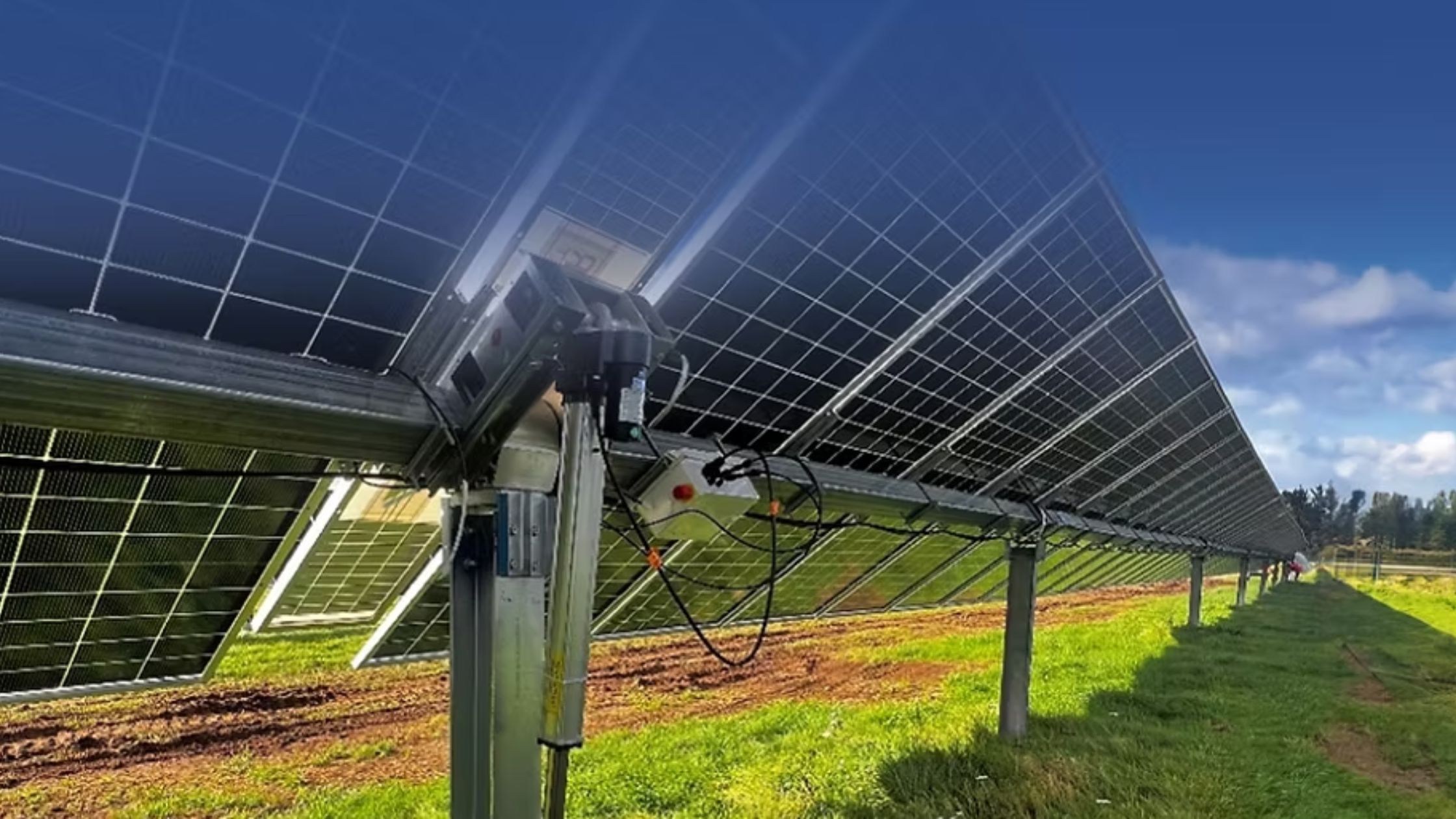
In parallel, OMIFCO is also assessing specific production pathways for low-carbon ammonia, including the integration of green hydrogen sourced either externally or produced in-house, as well as the use of renewable energy such as solar and wind to power plant utilities, compressors, and other auxiliary systems.
The company is also considering the use of renewable electricity from the national grid, depending on infrastructure readiness and the pace of decarbonisation in the power sector. Together, these initiatives form a phased strategy aimed at reducing carbon intensity while maintaining operational efficiency and competitiveness in global fertiliser markets.
Subscribe to get the latest posts sent to your email.