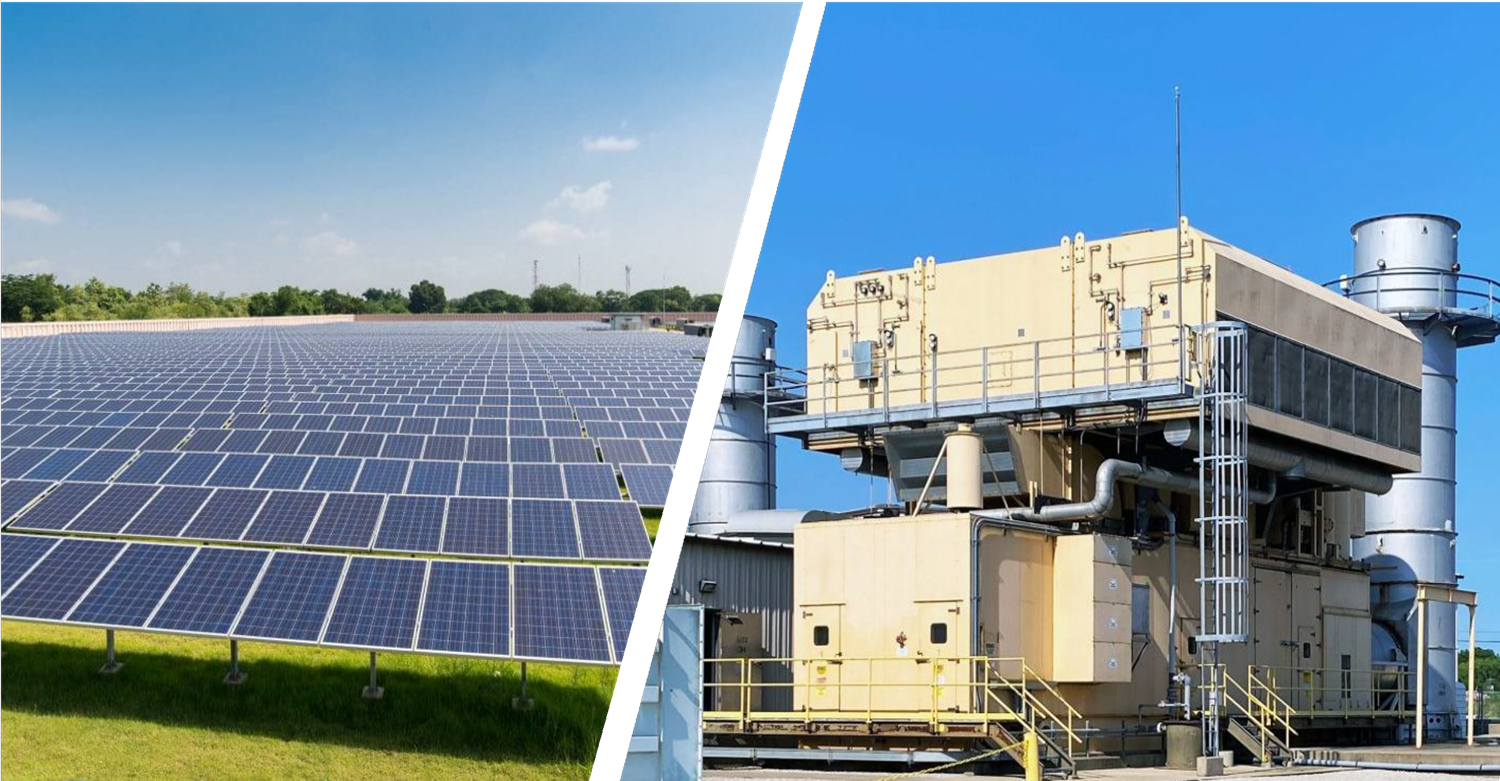
Earthrise Energy has announced the commercial operation of its 270 MWac Archtop Solar Project, marking the company’s first deployment of a surplus interconnection strategy designed to accelerate renewable energy development by leveraging existing grid infrastructure.
The project, comprising the Gibson City Solar 1 and Gibson City Solar 2 facilities, achieved its commercial operation date on 9 June 2026. The solar plants utilise the existing transmission infrastructure of Earthrise Energy’s Gibson City natural gas-fired peaking facility, enabling new renewable generation to connect to the grid without requiring a traditional greenfield interconnection process.
According to the company, the surplus interconnection approach allows solar power to be delivered when renewable generation is available, while maintaining grid reliability through the existing fast-start natural gas peaking plant during periods of high electricity demand.
Earthrise Energy said the project demonstrates an alternative pathway for adding new generation capacity more rapidly by making use of existing transmission assets. Rather than entering the conventional interconnection queue, the project secured grid access through the Midcontinent Independent System Operator (MISO) surplus interconnection process, which the company believes can significantly reduce project development timelines.
The Archtop Solar Project is expected to support Illinois’ growing electricity demand while contributing to the state’s clean energy objectives through the addition of lower-carbon generation resources.
Building on the successful commissioning of the project, Earthrise Energy is advancing a development pipeline of approximately 1.5 GW across five additional solar projects in Illinois. The planned developments include Northwest Solar and Glacier Moraine Solar in Cumberland and Coles counties, Plum Valley Solar and Pride of the Prairie Solar in Will County, and Tilton Solar in Vermillion County.
The company said it intends to continue applying its surplus interconnection model to accelerate renewable energy deployment while supporting grid reliability and improving the utilisation of existing electricity infrastructure across the region.
Subscribe to get the latest posts sent to your email.