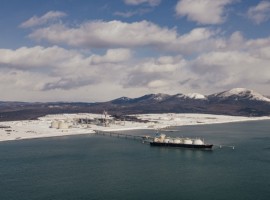
Arctic Express, a newly flagged Russian LNG tanker, has picked up a cargo of liquefied natural gas from a floating storage facility used by Arctic LNG 2 project, marking the latest addition to Russia’s dark fleet as LNG output from the U.S.-santioned project ramps up, Reuters reported on Monday.
The 19-year old vessel was previously called the Queen Cassiopeia and sailed under a Sierra Leone flag while managed by a Greek firm; however, its ownership was transferred to St. Petersburg-based SMP Techmanagement LLC around mid-May, at which point the ship was re-flagged to Russia.
The Arctic Express is one of at least 21 vessels now suspected to be ferrying sanctioned Russian gas as Moscow attempts to diversify its customer base ahead of the upcoming EU ban on long-term Russian LNG import contracts set to take effect on January 1, 2027.
The heavily sanctioned Arctic LNG 2 project has significantly increased its production and export volumes, with China a key buyer.
The facility exported over 400,000 metric tons of LNG in May 2026, a record high since deliveries began in August 2024. More than 40 cargoes (around 2.6 million metric tons) of LNG were shipped from the facility over the past year.
In contrast, India has rejected offers to buy Russian LNG under sanctions. Last month, India refused to accept a cargo of discounted liquefied natural gas (LNG) from the U.S.-sanctioned Portovaya plant, leaving the 138,200-cubic-meter Kunpeng tanker stranded near Singaporean waters. Indian officials have noted that while seaborne crude oil shipments are frequently hidden via ship-to-ship transfers at sea, LNG tracking relies on distinct infrastructure and satellite tracking that makes it impossible to conceal.
However, India continues to buy massive volumes of discounted Russian seaborne crude. Back in March, the U.S. Treasury Department’s Office of Foreign Assets Control (OFAC) issued a 30-day sanctions license allowing Indian refiners to purchase stranded Russian cargoes to help alleviate shortages amid the Iran war. New Delhi remains adamant that its energy security and commercial interests supersede sanctions, with the country’s energy purchases mainly driven by cost and availability.
By Alex Kimani for Oilprice.com
More Top Reads From Oilprice.com
- VLCC Earnings Near $470,000 a Day as Hormuz Hopes Drive Tanker Frenzy
- Gulf Producers Race to Load Oil and LNG as Hormuz Stays Open
- Pakistan Plans to Boost LPG Imports and Mulls Cheaper Oil Supply from Iran