The world’s most important oil benchmark is about to experience an identity crisis.
For the first time since records began, no Brent crude cargoes are scheduled to load in August, according to Reuters calculations based on loading programs and LSEG data. In other words, the benchmark that gives Brent crude its name is slowly disappearing.
That’s not because Brent is losing relevance. Quite the opposite. Brent still underpins pricing for more than 60% of internationally traded crude. The problem is that the original Brent field has simply been producing less and less oil for decades.
What’s left of Brent itself now averages just 23,000 barrels per day this year. This is roughly one cargo per month and less than a quarter of the production seen a decade ago.
The benchmark has been reinventing itself for years.
Today’s Dated Brent is no longer just Brent. It also includes Forties, Oseberg, Ekofisk, Troll, and, since 2023, U.S. WTI Midland. That slow shift has kept the benchmark liquid even as the namesake crude transitions into a historical footnote.
“What is left of Brent is just a brand name,” veteran oil trader Adi Imsirovic told Reuters. He’s probably right. The crude may eventually disappear altogether, but the benchmark isn’t going anywhere.
In fact, recent events in the Middle East have reinforced just how important North Sea barrels remain.
During the Strait of Hormuz crisis, refiners scrambled for any crude that didn’t require sailing through one of the world’s most dangerous waterways. North Sea grades, particularly Forties, became some of the most sought-after barrels on the planet, with physical cargoes trading at unprecedented premiums over Brent futures as buyers paid whatever it took for immediate, accessible supply.
That premium has eased as stranded Gulf cargoes have gradually begun leaving the Persian Gulf. But accessibility remains the operative word. Despite the U.S.-Iran ceasefire, tanker traffic through Hormuz remains well below pre-war levels, with Iran still exercising discretion over vessel movements. Physical markets continue to reflect that uncertainty even as futures have retreated.
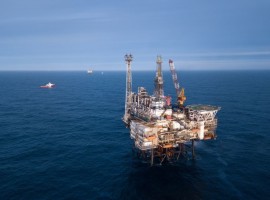
Years of declining production, record-low exploration, punitive taxation, and a ban on new licensing have pushed one of the world’s great oil provinces into managed decline.
By Julianne Geiger for Oilprice.com
More Top Reads From Oilprice.com
- Asian Refiners Redirect Middle East Crude to the U.S. as Hormuz Flows Recover
- Pakistan Pays Premium for Urgent LNG Cargo
- VLCC Earnings Near $470,000 a Day as Hormuz Hopes Drive Tanker Frenzy