Imagine you are looking at your electricity bill and realize the amount could have paid for a family vacation. This is a common story for many homeowners who feel trapped by rising power costs. Outside, the sun is shining bright, offering enough energy to run every appliance in your house for free. This realization is why India has reached a solar capacity of 150GW+ as of early 2026. Making the switch starts with a simple question: which solar panel technology fits your roof and your budget?
Understanding the different solar panel types and their current market rates will help you make a smart choice for your home.
High-Performance Solar Panel Types in the Indian Market
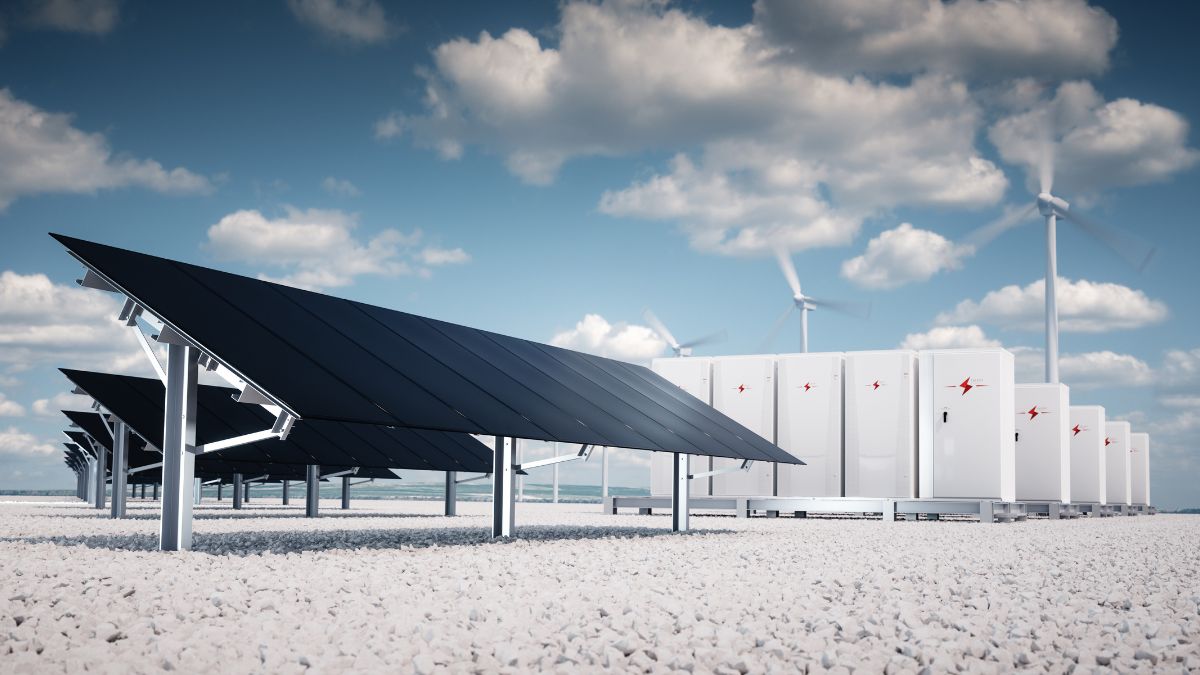
The technology used in solar cells determines how much electricity you get from every square inch of sunlight. India has moved toward high-efficiency modules that work well even during hot summer days.
Monocrystalline PERC Panels
These panels are the most common choice for house roofs today. They use a single high-quality silicon crystal. The “PERC” part is a special layer on the rear side that reflects light back into the cell, increasing power output. These panels usually have an efficiency of 22.5% to 23.5%. They are great because they work well even when the sun is not at its peak.
N-Type TOPCon Panels
This is a newer and even better technology. TOPCon stands for Tunnel Oxide Passivated Contact. These panels are better at turning sunlight into power and do not wear out as fast as older types. They are very effective in the high heat found across India. The TOPCon cells can achieve an efficiency of 22% to 24%.
One of the leading Indian manufacturers, such as Avaada Electro, is investing in advanced N-Type TOPCon technologies that deliver higher energy yields, improved durability, and long-term reliability for residential and commercial applications.
Bifacial Solar Panels
Bifacial panels generate electricity from both the front and rear sides of the module. They capture reflected sunlight from surfaces such as concrete roofs, white coatings, or open ground, resulting in higher energy generation than conventional panels. Depending on installation conditions, bifacial modules can increase energy output, making them popular for commercial, industrial, and utility-scale projects.
HJT Panels
Heterojunction Technology (HJT) panels combine crystalline silicon with thin-film layers to achieve excellent efficiency and temperature performance. They generate more electricity during hot weather and low-light conditions while experiencing lower degradation over time. With high efficiencies, HJT modules are increasingly being adopted for premium residential and commercial installations where maximum energy production is a priority.
Thin-Film Solar Panels
Thin-film panels are manufactured by depositing photovoltaic material onto a flexible substrate rather than using traditional silicon wafers. Although their efficiency is generally lower than that of monocrystalline technologies, they perform well in high temperatures, partial shading, and diffused sunlight. Their lightweight and flexible design makes them suitable for specialized applications, large commercial rooftops, and buildings with weight constraints.
Solar Panel Prices in India (2026)
The total cost of a 3kW system is often significantly reduced by the PM-Surya Ghar: Muft Bijli Yojana, which offers a subsidy of up to ₹78,000.
To provide a clearer view of the investment required, the table below breaks down the current market rates and the financial impact of government support for various system sizes.
| System Capacity | Estimated Total Cost | Central Subsidy (PM-Surya Ghar) | Net Effective Cost |
| 1 kW System | ₹30,000 – ₹35,000 | ₹30,000 | ₹5,000 – ₹8,000 |
| 2 kW System | ₹60,000 – ₹65,000 | ₹60,000 | ₹8,000 – ₹12,000 |
| 3 kW System | ₹85,000 – ₹95,000 | ₹78,000 | ₹12,000 – ₹18,000 |
| 5 kW System | ₹1,60,000+ | ₹78,000 (Max) | ₹85,000+ |
Disclaimer: Prices, subsidy benefits, and eligibility criteria are indicative and may vary based on location, installer, system configuration, module technology, and prevailing government policies. Readers should verify the latest guidelines under the PM Surya Ghar: Muft Bijli Yojana before making a purchase decision.
As of February 2026, the Ministry of New and Renewable Energy continues to prioritize Domestic Content Requirement (DCR) modules for these subsidies. While utility-scale prices for modules remain highly competitive for bulk procurement, residential consumers benefit most from the fixed subsidy structure, which covers a significant portion of the initial capital expenditure for smaller installations.
Factors That Influence Your Choice of Solar Panel
Consider the following factors when choosing a type of solar panel based on your specific needs:
Roof Space
If you have a small roof, you should pick high-efficiency TOPCon panels. They give more power from fewer panels.
Bifacial Technology
Some modern solar panel types have glass on both sides. They catch direct sun from the top and reflected light from the bottom. These are great if your roof has a light-colored surface.
Durability
Modern panels are built to last. Most high-quality modules come with a 25-year performance warranty. This means they will still produce at least 80% of their original power after two and a half decades.
When selecting solar panels, it’s important to consider your specific needs to ensure you maximize your investment and energy efficiency.
Final Thoughts
Buying solar panels is a way to take control of your own energy. By choosing the right technology, you can build a system that delivers long-term value and meaningful savings over its operational life. Understanding the can also help you plan your investment and choose a system that aligns with your household energy needs and budget.
India’s growing renewable energy capacity continues to strengthen the country’s energy ecosystem while supporting the transition toward cleaner sources of power. Using modules from trusted Indian manufacturers ensures you are part of this success. With high-efficiency technology and helpful government subsidies, residential solar adoption remains an attractive option for homeowners looking to reduce electricity expenses and improve energy independence.
Subscribe to get the latest posts sent to your email.