Ukraine has landed one of its most consequential blows yet against Russia’s energy sector, knocking out the country’s largest oil refinery just as Moscow is scrambling to contain a widening fuel crisis.
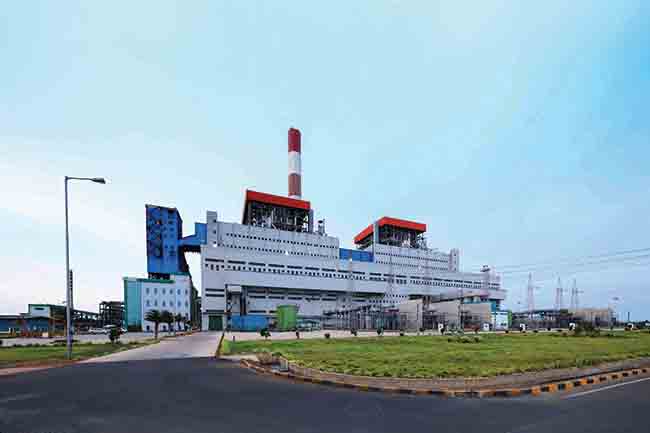
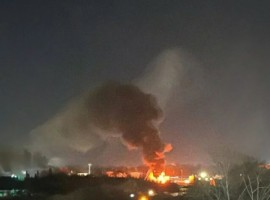
Industry sources told Reuters that Gazprom Neft’s Omsk refinery halted operations after a Ukrainian drone strike damaged key processing units at the 440,000-barrel-per-day facility. The refinery is Russia’s largest gasoline producer, making the timing particularly painful for the Kremlin.
According to the sources, the attack set fire to the CDU-10 crude distillation unit, which accounts for about 38% of the refinery’s processing capacity. A second major unit, CDU-11, was also shut down after damage to supporting infrastructure, although it could reportedly return to service sooner.
The refinery immediately stopped offering gasoline and diesel on Russia’s St. Petersburg commodity exchange.
A few months ago, Moscow insisted fuel shortages were isolated incidents. Then came export restrictions on gasoline and jet fuel. Then President Vladimir Putin publicly admitted motorists and businesses were struggling to find fuel, convening an emergency meeting with oil executives and ordering round-the-clock government monitoring of supplies.
Now Russia’s biggest refinery has gone dark.
The latest strike comes as Ukraine continues expanding its long-range drone campaign against Russia’s refining network. What began with attacks on export terminals and refineries near the front has steadily moved deeper into Russian territory. Omsk, in western Siberia, sits thousands of kilometers from Ukraine.
The fallout extends well beyond Russia’s borders.
Central Asian countries that rely heavily on Russian fuel have already reported shortages and higher prices. Uzbekistan has cut some flights because of jet fuel shortages, while Kazakhstan has explored fuel imports from China as insurance against further disruptions.
Russia has even begun looking abroad for supplies of its own. Last week, Reuters reported that Moscow was preparing to import jet fuel from Asia—an extraordinary reversal for one of the world’s largest oil producers.
Ukraine isn’t trying to destroy Russia’s oil industry. It doesn’t have to. It only needs to keep enough refineries offline long enough to turn fuel into one more battlefield—and one more headache for the Kremlin.
By Julianne Geiger for Oilprice.com
More Top Reads From Oilprice.com
- Trump Targets California Again In SpaceX Feud
- Colombia’s Oil and Gas Reserves Keep Shrinking
- Largest Data Center Project Ever Proposed Is Officially Dead