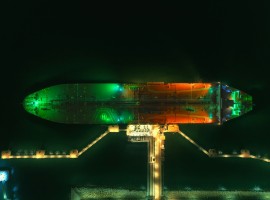
Iran is estimated to have sneaked supertankers with a total of 12 million barrels of crude oil in the week between the end of the U.S. waiver on Iranian oil sales on July 7 and July 14, just as the U.S. announced the renewed blockade on Iranian ports and oil cargoes.
Last Tuesday, July 7, Iranian attacks on three commercial vessels in the Strait of Hormuz prompted an immediate U.S. reaction, with the U.S military striking multiple targets in Iran and the Treasury canceling the waiver on Iran’s oil sales that was supposed to be in place until August 21.
Since the waiver was rescinded, Iran has likely moved at least a dozen million barrels of its oil out of Hormuz, as six sanctioned supertankers have transited the Strait of Hormuz outbound to the Gulf of Oman with transponders switched off, in the so-called ‘dark mode’, vessel-tracking data compiled by Bloomberg showed on Tuesday.
These sanctioned supertankers, without waivers to sell crude without penalties, add to other Iran-linked vessels that have managed to exit the Strait since July 7, the day the very-short-lived U.S. waiver ended.
In the month between the two U.S. blockades, between mid-June and July 13, Iran has likely moved 57 million barrels of crude oil out of the Persian Gulf, according to the data compiled by Bloomberg.
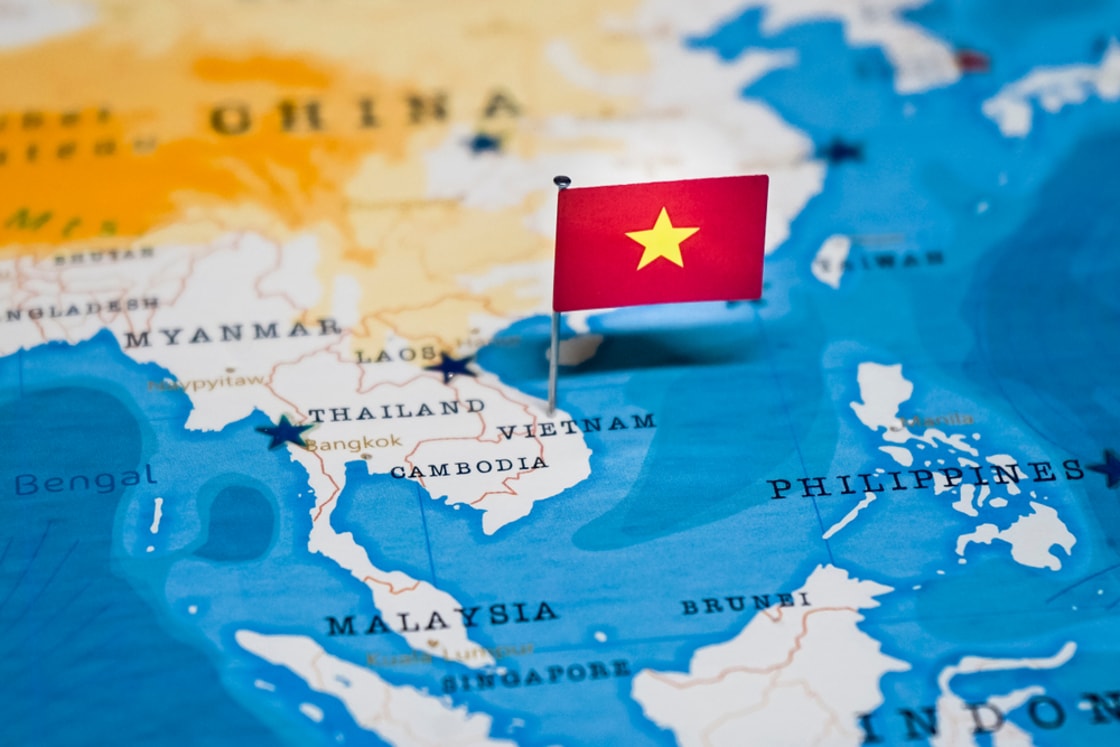
The surge in Iranian shipments out of the Gulf and into waters near the Malacca and Singapore Straits gave Iran a lifeline to boost its exports that had suffered from the first U.S. blockade.
“Iran managed to ship out 60 million barrels of crude oil since the US Navy blockade paused in mid-June 2026,” TankerTrackers.com said last week after the U.S.-Iran tensions escalated again.
“If the blockade were to resume now due to escalating tensions, Iran would be stuck with ~50 million barrels of crude oil and refined products.”
Iran continues its pre-war tactic to ship crude to Chinese independent refiners, analysts say.
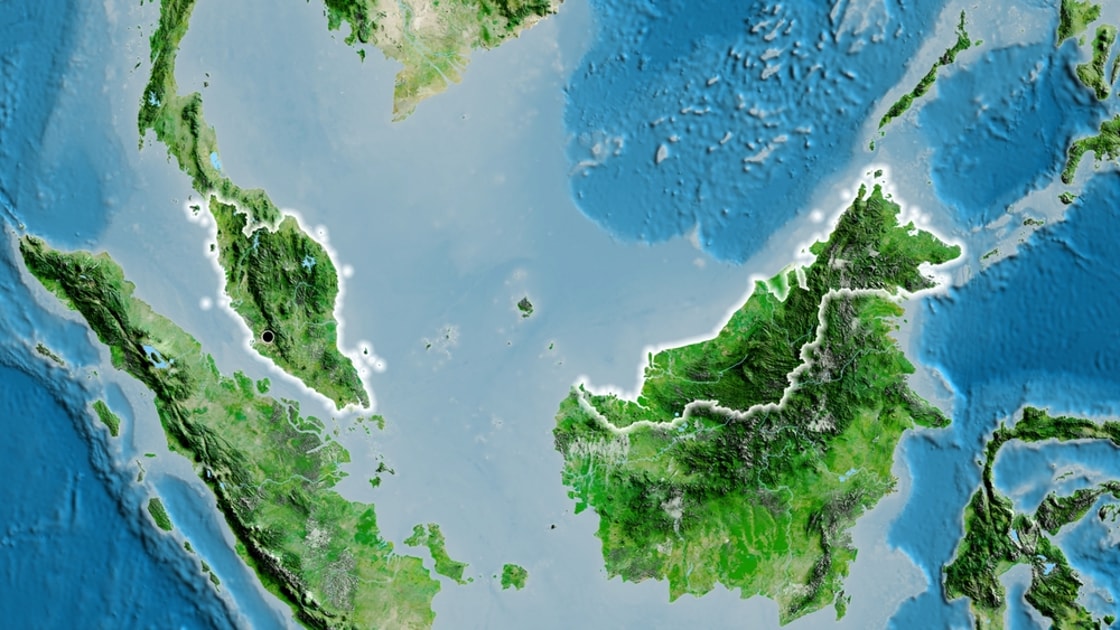
Earlier this week, nine sanctioned Iranian tankers went dark off Malaysia, carrying crude estimated by Vortexa at $989 million, maritime intelligence firm Windward said this week.
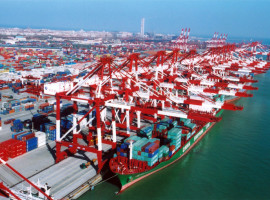
These cargoes are predominantly bound for Shandong teapot refineries at Dongjiakou, “consistent with the established Iran-to-Malaysian-blend-to-China laundering route,” Windward added.
By Tsvetana Paraskova for Oilprice.com
More Top Reads From Oilprice.com
- Oil Prices Have Jumped 12% Since Friday as War Risks Return
- U.S. LNG Exporter Reaps Windfall as Middle East Turmoil Drives Fees Higher
- Oil Prices Jump After Iran Attacks Commercial Vessels