The Strait of Hormuz reopened less than a month ago, but Dubai is already planning for the next closure.
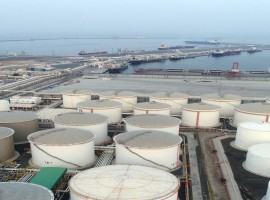
DP World is reportedly in talks to build a new multipurpose port and container terminal in Fujairah on the UAE’s east coast, creating another shipping route that avoids Hormuz altogether. According to the Financial Times, construction could take as little as 18 months. The company has acknowledged it is pursuing diversification projects to get through future disruptions.
That timeline says plenty. Ports are built to solve problems measured in decades, not weeks.
Jebel Ali handled the bulk of Dubai’s trade for years. During the Iran war, activity at the flagship port reportedly collapsed by as much as 95% after Tehran shut the Strait of Hormuz. Cargo shifted east to Fujairah and Khor Fakkan, where congestion quickly followed. DP World’s answer is to add entirely new capacity outside one of the world’s biggest maritime chokepoints.
The UAE has been making the same calculation across its energy business.
The country pumped a record 4.1 million barrels per day in June after leaving OPEC, pushed more crude exports through Fujairah, and accelerated plans for a second pipeline that will double export capacity from the emirate beginning next year. Every dollar flowing into Fujairah buys a little less dependence on a waterway that spent months proving how vulnerable it had become.
The rest of the Gulf appears to be reading from the same playbook. Gulftainer recently announced a $2 billion expansion at nearby Khor Fakkan. Fujairah already serves as one of the region’s largest bunkering hubs and crude storage centers. Every new berth, storage tank, and pipeline shifts a little more trade east of Hormuz.
By Julianne Geiger for Oilprice.com
More Top Reads From Oilprice.com
- U.S. LNG Exporter Reaps Windfall as Middle East Turmoil Drives Fees Higher
- Oil Prices Jump After Iran Attacks Commercial Vessels
- US Crude Oil, Product Inventories Fall Even As Hormuz Traffic Begins to Flow