

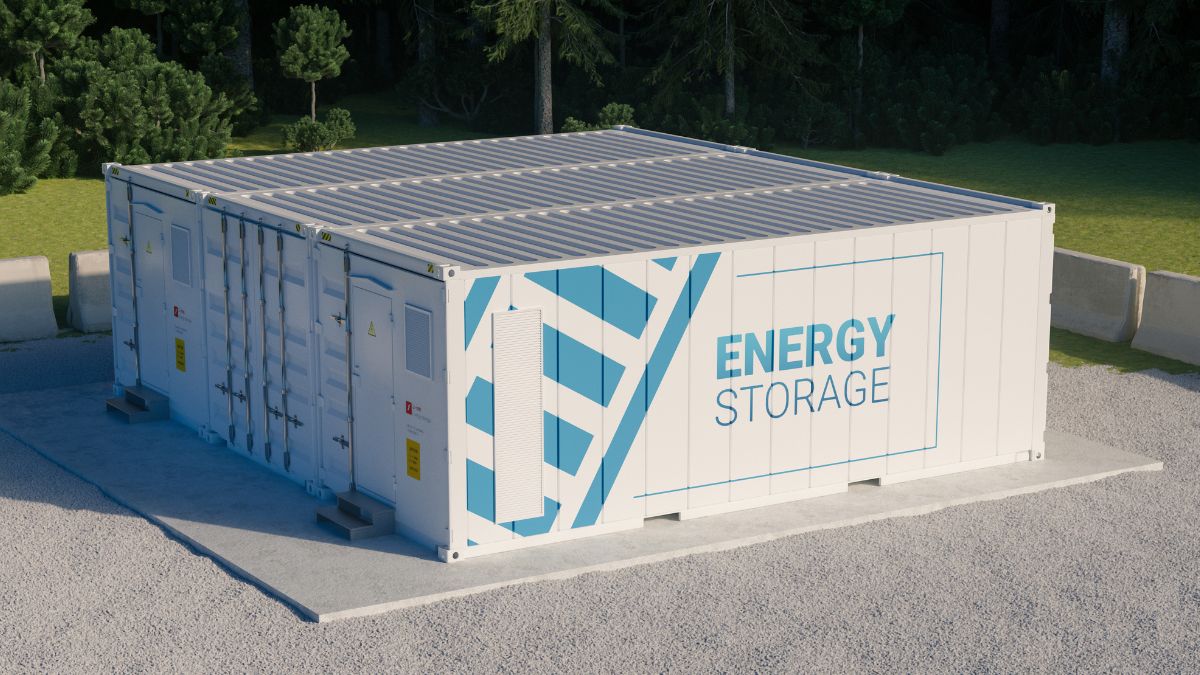
Germany’s battery energy storage system (BESS) market is expanding rapidly as energy storage becomes increasingly important for balancing the power grid and managing highly volatile electricity prices. As renewable energy generation continues to grow, battery storage is playing a crucial role in maintaining grid stability by storing excess electricity and supplying it during periods of high demand. However, despite strong market interest, securing project financing for battery storage remains one of the biggest challenges for developers.
A new whitepaper released by Capcora and suena energy explains that the bankability of BESS projects depends less on achieving the highest technical performance and more on creating predictable and stable cash flows. According to the report, lenders are primarily concerned with whether a project can reliably repay debt under different market conditions rather than how much profit it could generate during favorable periods. As a result, financial institutions adopt a conservative approach when assessing battery storage investments.
The whitepaper identifies four major factors that influence financing decisions. The first is the technical foundation of the project. Although technical quality is essential, this factor carries relatively lower weight during credit evaluations because battery technologies have become well established. Instead of focusing on peak performance, lenders pay closer attention to long-term performance guarantees, battery degradation rates over time, and commitments regarding system availability. These factors provide confidence that the asset will continue operating efficiently throughout its lifetime.
The second factor is the regulatory framework. Stable regulations and predictable grid connection rules are important for reducing investment risk. The report notes that uncertainties surrounding future grid fee structures, particularly beyond 2029, create additional caution among lenders because such policy changes can affect long-term project revenues.
Project economics represents one of the most important considerations during financing. Banks carefully examine financial indicators such as the Debt Service Coverage Ratio (DSCR) to ensure that projects can continue servicing debt even during unfavorable market conditions. Rather than relying on optimistic revenue forecasts, lenders stress-test financial models using conservative assumptions to evaluate repayment capability under challenging scenarios.
The commercial marketing model is considered equally important because it determines how market risks are allocated between the project owner and the counterparty. The selected route-to-market directly influences the amount of debt that a project can attract.
The whitepaper outlines several marketing structures with varying levels of risk and bankability. In a fully merchant model, the battery participates directly in day-ahead, intraday, and ancillary service markets. While this approach offers the highest revenue potential, it also exposes the project to significant market volatility, making lenders more cautious and increasing the need for equity financing.
Intermediate options, such as floor models and hybrid swap agreements, provide a balance between risk and reward. These structures guarantee a minimum revenue level while allowing project owners to benefit from additional market opportunities when prices are favorable.
The most secure financing structure is the tolling agreement, where a third party pays a fixed fee for access to the battery storage capacity. Partial or full tolling significantly improves bankability by creating predictable income streams, although it reduces the project’s ability to capture exceptional market profits.
A case study presented in the report compares different financing structures for a two-hour battery storage project. A fully merchant project financed entirely through equity requires an investment of approximately €550 per kilowatt and delivers an internal rate of return (IRR) of around 15%. Introducing debt with 60% gearing reduces the required equity investment to about €250 per kilowatt while increasing the IRR to 20%, although market risks remain high. In contrast, a project supported by a five-year full tolling agreement can achieve 70% gearing, reducing the equity requirement to approximately €150 per kilowatt. While the IRR falls slightly to around 16%, the project becomes significantly more attractive to lenders due to its stable and predictable revenue profile.
The whitepaper concludes that the availability of capital is not the primary obstacle to Germany’s growing BESS market. Instead, successful financing depends on careful project structuring from the earliest stages. By combining strong technical warranties, regulatory certainty, and well-designed commercial agreements, developers can create projects that meet the conservative requirements of debt providers while supporting the continued expansion of battery energy storage across Germany.
Subscribe to get the latest posts sent to your email.












)