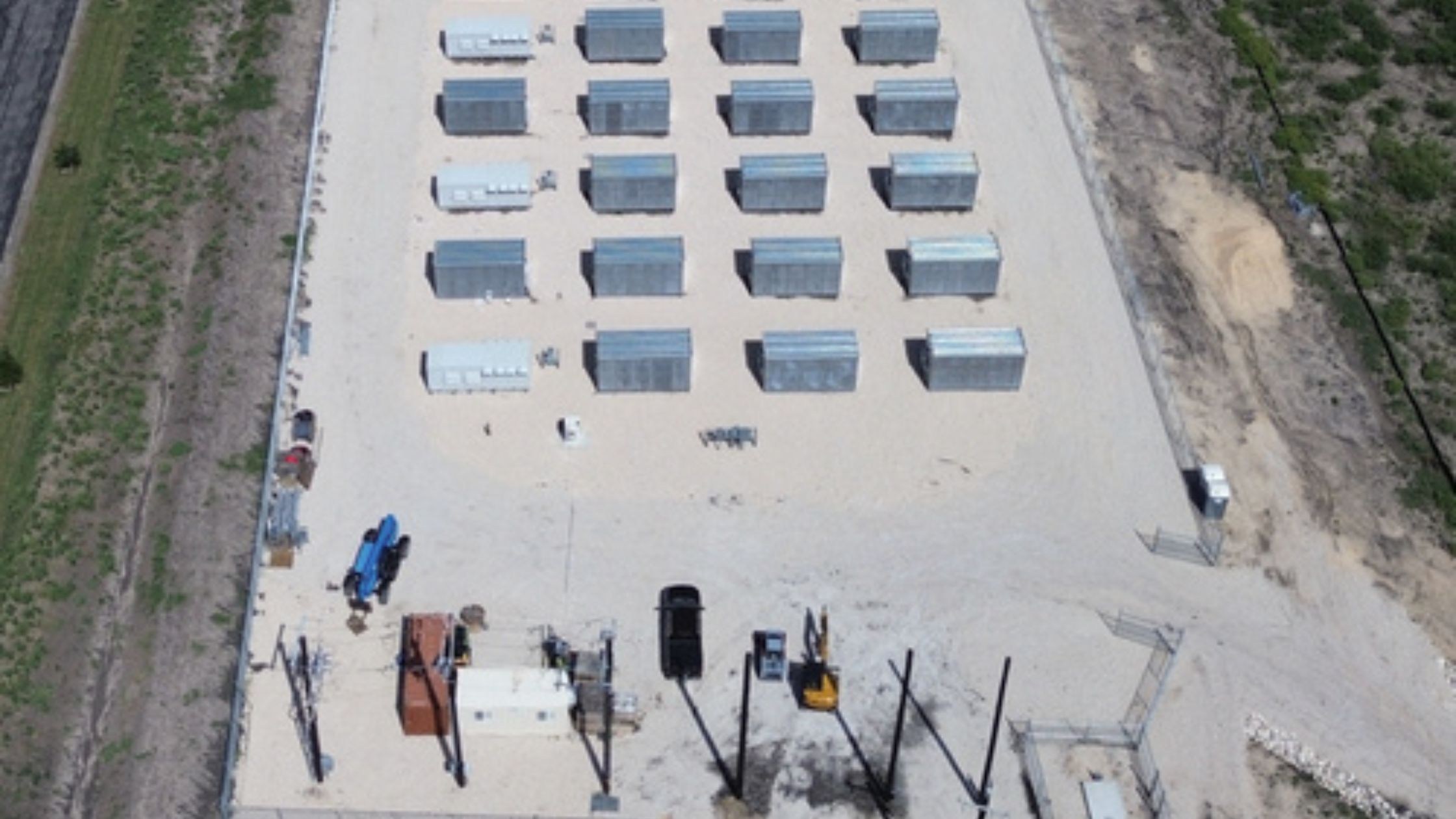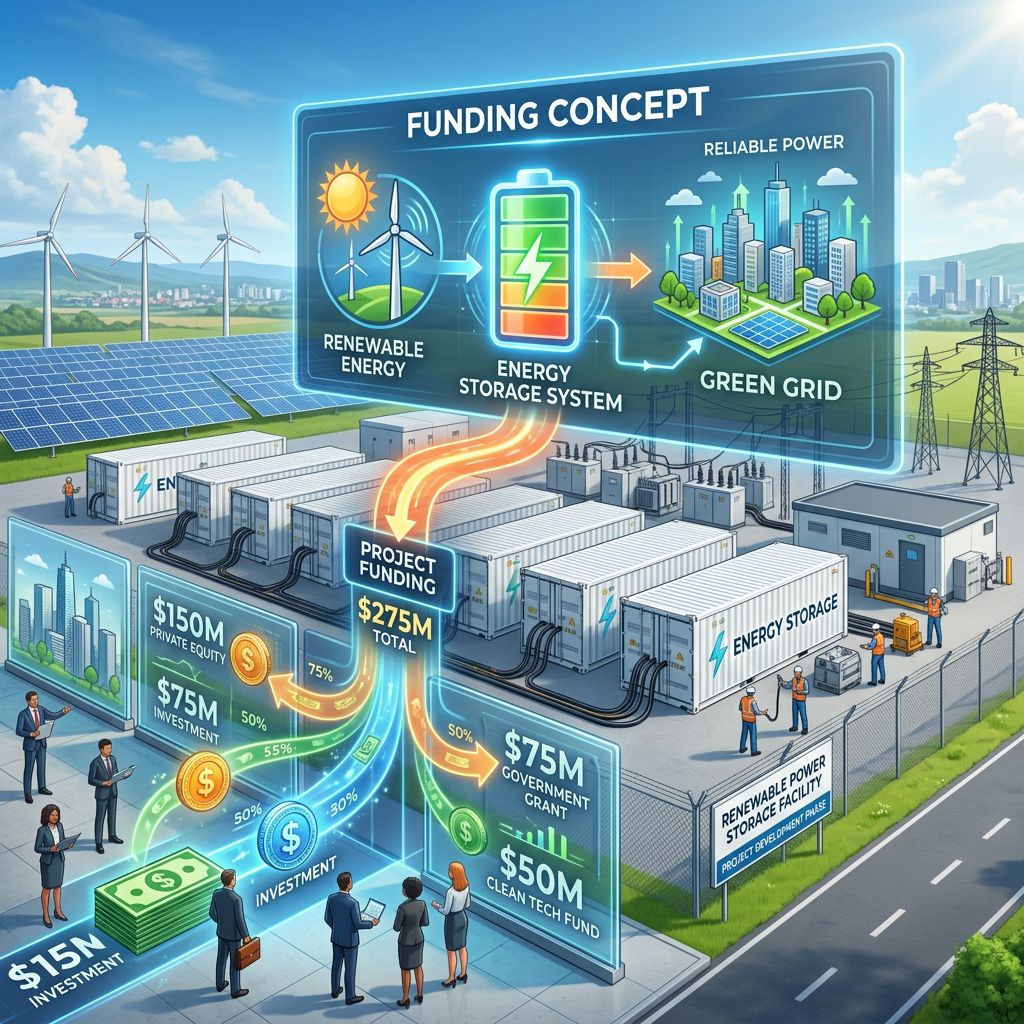
Pan-European renewable energy developer Aukera Energy has secured €48.5 million (approximately $55.3 million) in debt financing from the International Finance Corporation (IFC) to support the second phase of its flagship battery energy storage system (BESS) project in Romania. The funding will help complete the expansion of the Gura Ialomitei energy storage facility, located in Ialomita County, further strengthening Romania’s growing renewable energy infrastructure.
The International Finance Corporation, the private-sector investment arm of the World Bank Group, is providing the financing package to support the construction and commissioning of the project’s second phase. The funding is divided into two components. Around €40 million will be used for capital expenditures, including equipment procurement, system integration, and construction activities. The remaining €8.5 million has been allocated as a dedicated facility to cover value-added tax (VAT) requirements during the construction period.
The second phase of the project will add 100 MW of power capacity and 200 MWh of energy storage capacity. This expansion follows the successful completion of the first phase, which delivered 150 MW / 300 MWh and entered commercial operation in June 2026. The initial phase was financed through a €60 million loan provided by Kommunalkredit Austria AG.
Upon completion of the second phase, expected in early 2027, the Gura Ialomitei battery energy storage system will reach a total installed capacity of 250 MW / 500 MWh. The project is expected to become the largest operational battery energy storage facility in Romania and one of the largest standalone energy storage projects in Central and Eastern Europe. With the latest IFC financing, the project has now secured more than €100 million in total debt funding from international financial institutions.
Large-scale battery energy storage systems play an increasingly important role in supporting renewable energy integration. They store surplus electricity generated from renewable sources such as solar and wind during periods of high production and release it back into the grid when demand increases. This improves grid stability, enhances energy reliability, and helps reduce renewable energy curtailment.
Subscribe to get the latest posts sent to your email.