The world isn’t just staring down another weather event. It’s staring down a weather event colliding with a supply-driven oil shock.
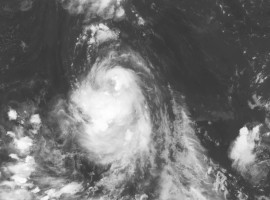
JPMorgan warned Friday that a “super” El Niño combined with higher energy prices from the Middle East conflict could slow the decline in global inflation next year, adding roughly 0.3 percentage points to headline inflation worldwide. The bank puts the odds of the current El Niño strengthening into a “very strong” or “super” event at 81% by the end of the year, with a 97% probability conditions persist into 2027.
Neither development would be especially alarming on its own. Together, they become considerably more expensive.
A super El Niño typically disrupts agricultural production across Asia and Latin America through droughts, excessive rainfall, and shifting growing seasons. JPMorgan estimates that would lift global food inflation by about 0.7 percentage points at its peak. Layer on $100 oil, tighter diesel supplies, more expensive fertilizer, higher transportation costs, and elevated packaging costs, and the increase in food inflation could reach 1.3% to 1.5%.
The oil market is already supplying the second half of that equation.
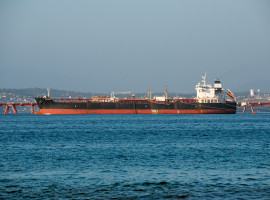
Brent crude climbed above $100 a barrel this week after renewed fighting around the Strait of Hormuz and Houthi attacks on tankers in the Red Sea threatened the two export routes Gulf producers have relied on for months. At the same time, Kazakhstan has begun cutting oil production after drone attacks halted tanker loadings at the Caspian Pipeline Consortium terminal on the Black Sea, removing another source of internationally traded crude.
Diesel prices remain under even greater pressure than crude. Middle Eastern refining capacity has yet to fully recover from the war, Russian fuel exports remain constrained following months of Ukrainian drone strikes on refineries, and global refining margins remain near record highs.
JPMorgan expects emerging markets to absorb most of the inflation shock because food accounts for a larger share of household spending. India, Indonesia, Brazil and Colombia rank among the most exposed economies.
Advanced economies won’t escape either. Europe and the United States may avoid the worst crop losses, but they would still import higher food costs through more expensive fuel, fertilizer, transportation, and global commodity markets.
By Julianne Geiger for Oilprice.com
More Top Reads From Oilprice.com
- Saudi Crude Tanker Goes Dark to Slip Through Bab el-Mandeb
- Hormuz Tanker Crossings Sink to Lowest Level Since May as War Risk Spikes
- ADNOC Issues Seventh Crude Tender Since June Despite Hormuz, Red Sea Risks