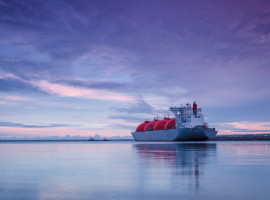
Europe is currently benefiting from the closed arbitrage between the U.S. Gulf Coast and Asia and is taking more LNG supplies in possible relief from concerns about winter gas supply.
The Atlantic-Pacific arbitrage is closed for the rest of this year, due to high shipping costs, and this has led to a redirection of most U.S. spot cargoes toward Europe, where the freight costs are much lower.
Over the past month, Europe has been drawing more LNG cargoes away from Asia, and deliveries to Europe have been only 4% lower than a year ago, compared to a 30% annual decline in LNG deliveries to Europe in early August, according to vessel-tracking data compiled by Bloomberg.
The choked LNG flows from the Middle East over the past seven months have sent gas prices in Asia and Europe soaring, culminating earlier this month when prices hit the highest level since the 2022-2023 energy crisis as buyers continue to compete for available supply that doesn’t need to move through the Strait of Hormuz.
Asia was winning the competition early in the spring and summer, but with the closed Atlantic-Pacific arbitrage through the rest of the year, Europe is now importing more prompt LNG supply, but at a high cost.
The economics of shipping spot LNG cargoes don’t work for Asia right now, so supply is heading to Europe, in what could be a major relief to Europe’s preparedness for the winter.
EU gas storage sites were just about 70% full as of September 27, per data by Gas Infrastructure Europe. That’s well below the five-year average of 86% for this time of year.
Some major economies, including the biggest, Germany, have even lower-than-average gas stored so far this filling season. Germany’s vast storage, the world’s fourth-largest, is just about 57% full, which has prompted concerns about supply security if the coming winter turns out much colder than previous winters.
By Charles Kennedy for Oilprice.com
More Top Reads From Oilprice.com
- TotalEnergies Targets 3% Annual Oil and Gas Growth Through 2030
- European Gas Prices Rally on U.S.-Iran Stalemate
- UK Grid Operator Warns of Tight Power Margins