

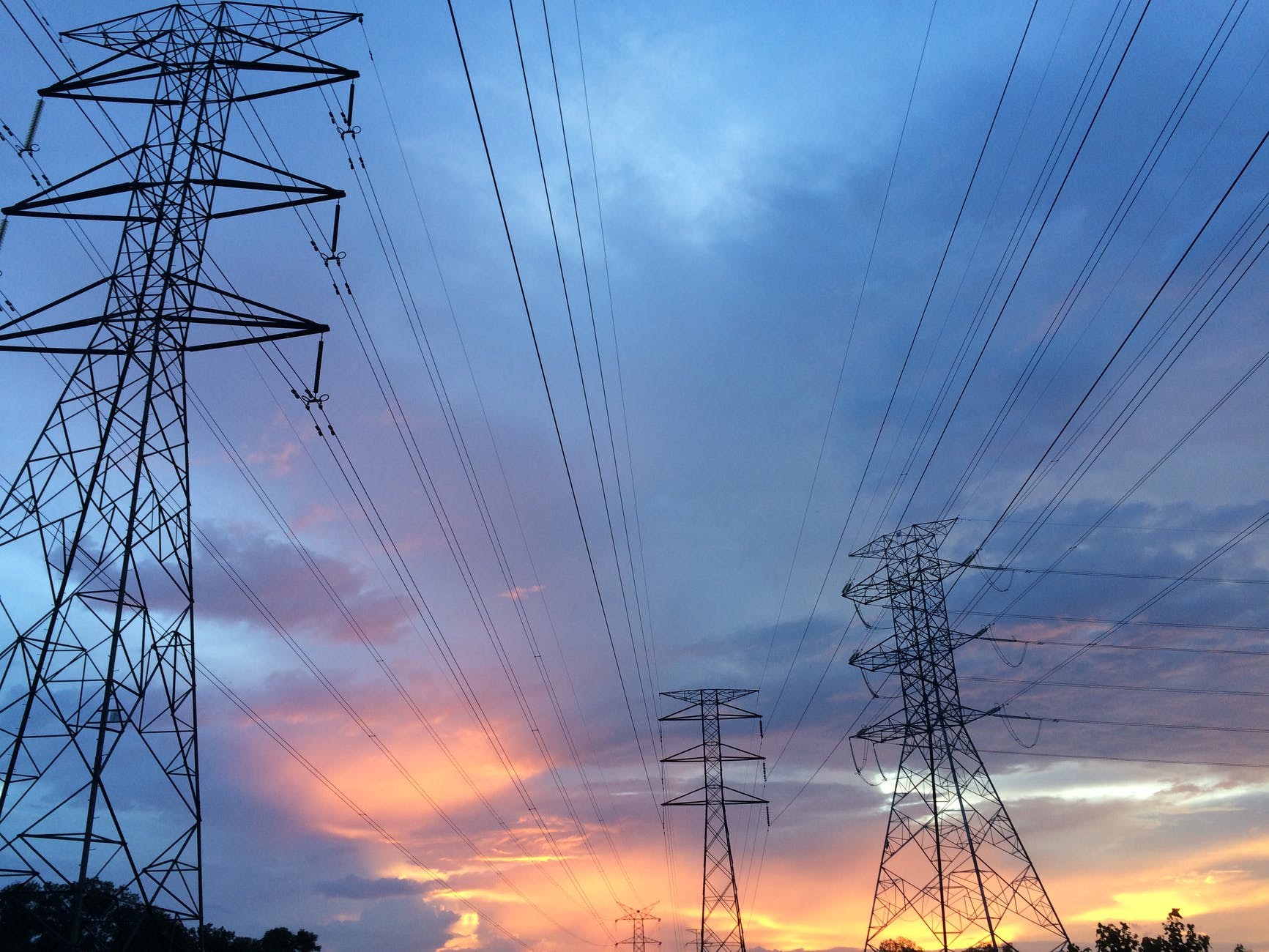
India is rapidly strengthening its national power transmission network to support rising electricity demand, large-scale renewable energy integration, and the country’s long-term clean energy goals. According to the government’s assessment of the national power grid, the transmission system is being expanded and modernized under the National Electricity Plan (Volume-II: Transmission) 2024, which covers the period from 2023 to 2032.
The plan has been prepared to match future electricity demand from growing sectors such as electric mobility, data centres, industrial expansion, and other emerging industries. It also considers changing load centres and the increasing share of renewable energy in the power mix. Under the plan, the transmission system will be expanded to meet a projected peak electricity demand of 388 GW by 2032.
India’s transmission network is expected to grow from about 5.09 lakh circuit kilometres (ckm) in June 2026 to 6.48 lakh ckm by 2032. During the same period, the country’s transformation capacity is planned to increase from 1,478 GVA to 2,345 GVA, while inter-regional transmission capacity will rise from 120 GW to 168 GW, enabling efficient power transfer across states.
The government highlighted that significant progress has already been made in transmission infrastructure over the last three financial years. Between FY 2023-24 and FY 2025-26, India commissioned 35,172 circuit kilometres of transmission lines and added 270,174 MVA of transformation capacity at voltage levels of 220 kV and above. Of the total transmission lines added, 15,944 ckm were part of the Inter-State Transmission System (ISTS), while 19,228 ckm belonged to the Intra-State Transmission System (InSTS).
To improve grid stability and support renewable energy integration, advanced technologies such as Static Synchronous Compensators (STATCOMs), Synchronous Condensers (SynCONs), and other Flexible AC Transmission System (FACTS) devices are being deployed. The country has also established Regional Energy Management Centres (REMCs) for renewable energy forecasting and real-time grid management. Automatic Generation Control (AGC) and ancillary services are also being implemented to maintain grid frequency and system balance.
Battery Energy Storage Systems (BESS) are becoming an important part of India’s power infrastructure. As of June 30, 2026, the country had installed 2,927.85 MW of BESS with a total storage capacity of 8,660.20 MWh. Major projects have been commissioned across several states, including Gujarat, Rajasthan, Maharashtra, Karnataka, Bihar, Chhattisgarh, Delhi, Uttar Pradesh, West Bengal, and island territories such as Andaman & Nicobar and Lakshadweep. Gujarat currently hosts some of the largest storage projects, including a 1,200 MW merchant BESS and a 180 MW standalone storage facility.
The government is also strengthening cyber-security across the power sector. In April 2023, it established the Computer Security Incident Response Team-Power (CSIRT-Power) to coordinate responses to cyber incidents. Funding has been approved under the Power System Development Fund for Security Operations Centres (SOC) and Network Operations Centres (NOC) to improve continuous monitoring and incident response. Regular cyber security training programmes are also being conducted in collaboration with IITs, Rashtriya Raksha University, the National Critical Information Infrastructure Protection Centre (NCIIPC), and other institutions.
In addition, several measures are being implemented to improve the resilience of the national grid against natural disasters. These include stronger transmission planning, emergency restoration systems, mobile substations, digitalisation of power assets, deployment of distributed energy resources, drone-based inspections, and the development of underground transmission corridors in cyclone-prone coastal areas. Together, these initiatives aim to build a more reliable, secure, and future-ready electricity grid capable of supporting India’s fast-growing energy needs.
Subscribe to get the latest posts sent to your email.

![POWER Digest [October 2026]](https://energyheadlines.com/wp-content/uploads/2026/09/ai-generated-solar-array-RAwm8e.jpeg)








)
