The Department of Energy (DOE) has issued Department Circular No. DC2026-08-0017, introducing a streamlined policy framework to make the installation and operation of small-scale, own-use solar power systems easier for consumers. The policy, officially titled the “Streamlined SGF ZESS and MSS Policy,” aims to support the Philippines’ renewable energy targets of achieving 35% renewable energy generation by 2030 and 50% by 2040 by encouraging decentralized power generation at the consumer level.
The new framework covers two main categories of non-exporting solar installations: Self-Generating Facilities Zero-Export Solar Systems (SGF ZESS) and Micro-Solar Systems (MSS).
SGF ZESS refers to solar facilities of any capacity that are designed for self-consumption and do not intentionally export electricity to the grid. These systems can either be connected to the grid with isolation controls that prevent power exports or operate independently as isolated off-grid installations.
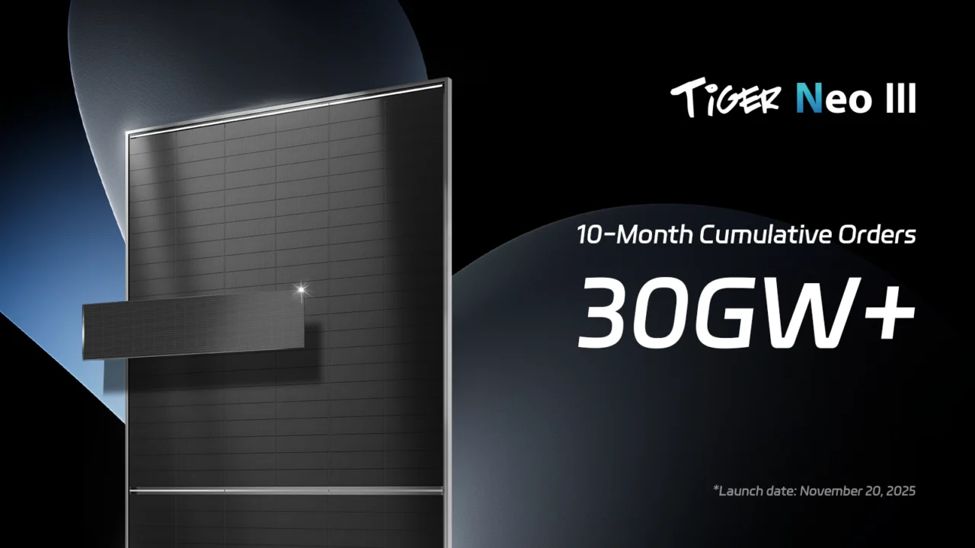
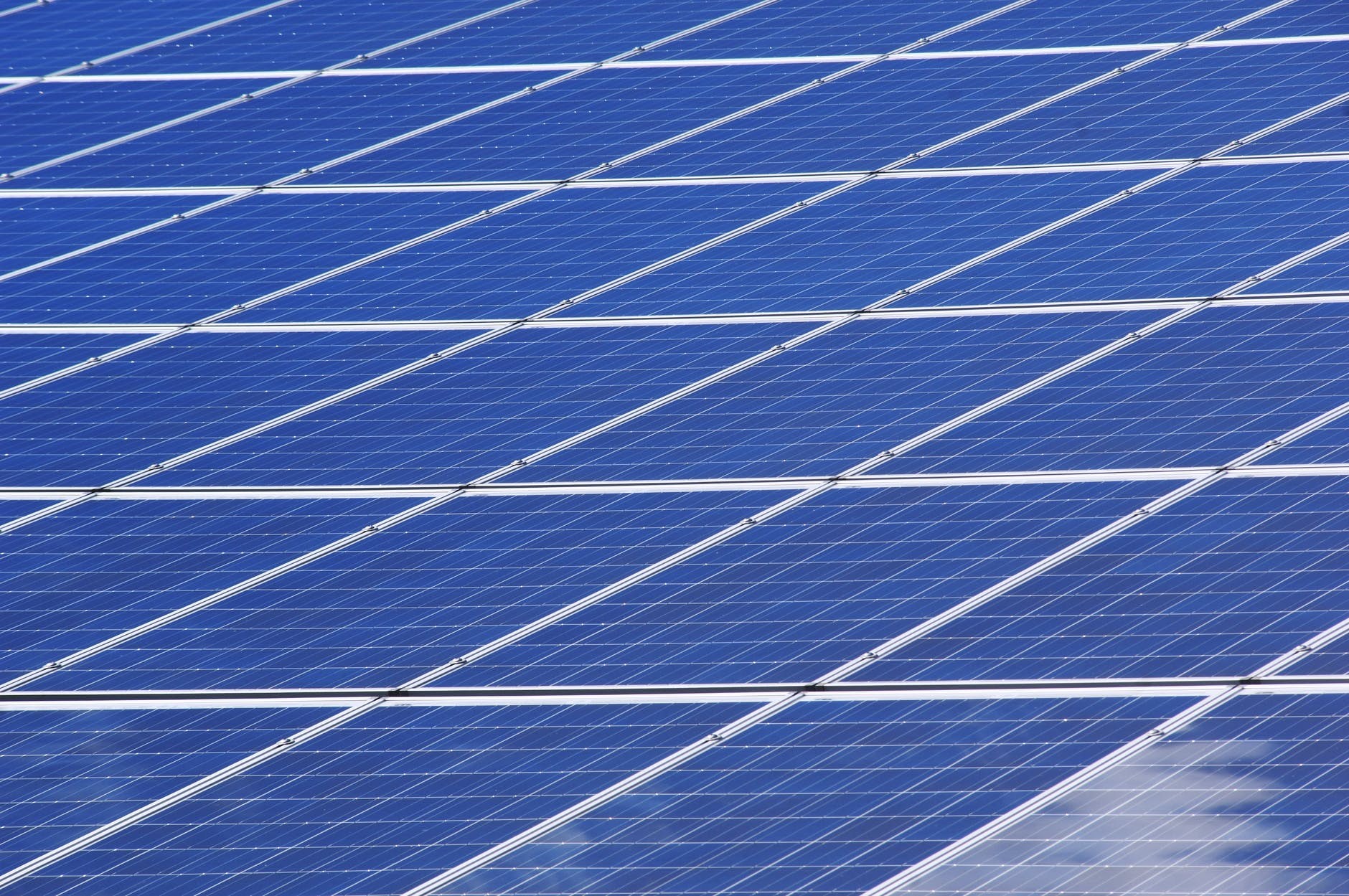
Micro-Solar Systems are designed as plug-and-play consumer systems. They can include solar panels with a maximum capacity of 1,000 watts, paired with a micro-inverter limited to 800 watts. The systems must have automatic anti-islanding protection and can be connected directly to a standard electrical outlet.
The DOE has reduced several administrative requirements under the new policy. Consumers installing MSS will not be required to obtain a Building Permit or a Certificate of Compliance (COC) from the Energy Regulatory Commission (ERC). Instead, they only need to submit a written post-installation notification to their local Distribution Utility (DU).
For Connected SGF ZESS installations, consumers must notify the host DU and obtain a local Building Permit. An ERC COC is generally required for SGF ZESS facilities, although households, clinics, hospitals, and other medical facilities are exempt from this requirement. Isolated SGF ZESS installations do not require notification to a distribution utility.
The circular also places restrictions on distribution utilities to prevent unnecessary administrative barriers. DUs cannot require pre-installation clearances or inspection fees before consumers install eligible systems. Utilities may conduct system studies for planning purposes, but these studies must be carried out at their own expense and cannot be used to delay or prevent installation.
DUs must also ensure that the customer’s assigned transformer and service capacity remain available, helping maintain grid reliability when backup electricity is required.
For consumers with analog meters, the policy provides a 12-month transition period for DUs to replace them with appropriate digital meters. During this period, net consumption recorded by existing meters will continue to be recognized for billing. However, electricity inadvertently exported to the grid without a formal Net-Metering Agreement will not receive compensation.
The DOE is coordinating with the ERC, Department of the Interior and Local Government (DILG), and Department of Trade and Industry’s Bureau of Philippine Standards (DTI-BPS) to develop uniform permitting guidelines, safety standards for solar equipment, and simplified certification procedures.
Signed by Energy Secretary Sharon S. Garin, the circular takes effect immediately upon official publication and is expected to reduce barriers to small-scale solar adoption across the Philippines.
Subscribe to get the latest posts sent to your email.