By
44 min ago 3 min read
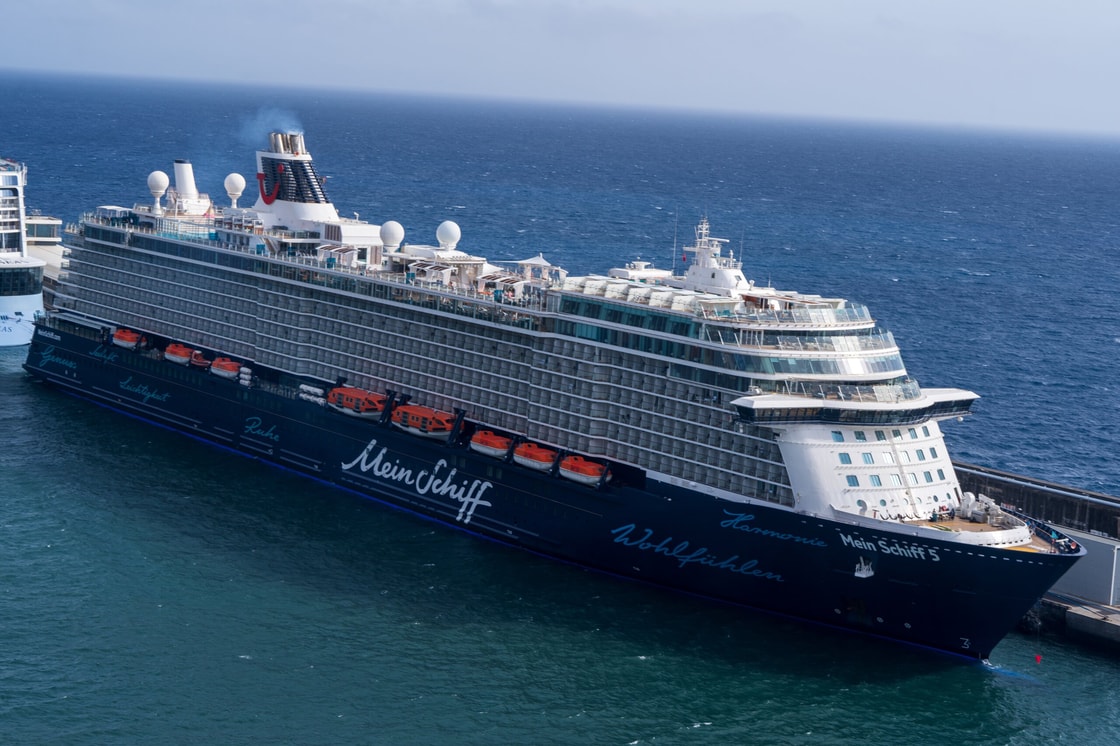
German cruise operator TUI Cruises has expanded its use of bio-liquefied natural gas (bioLNG), with two vessels now operating entirely or substantially on the renewable fuel across European cruises.
The company’s dual-fuel Mein Schiff Relax vessel is running on bioLNG for its Northern European itineraries during the 2026 summer season.
BioLNG is also being used to fuel Mein Schiff Flow, which has been bunkering the fuel in Barcelona since May.
According to TUI Cruises, bioLNG use had resulted in around 26,000 tonnes of carbon dioxide (CO2) equivalent greenhouse gas savings compared with conventional marine fuels by July 2026.
The company projects that the reduction will reach approximately 50,000 tonnes of CO2 equivalent by the end of the year, according to Chief Executive Wybcke Meier.
The use of bioLNG is supported by the fact that it can be used as a drop-in fuel in existing LNG-fuelled engines and transported, stored and bunkered using existing LNG infrastructure, according to a study by Nanyang Technological University’s Maritime Energy and Sustainable Development Centre of Excellence.
The 2022 study found that bioLNG could deliver up to 80% greenhouse gas emissions reductions compared with marine diesel, although it stressed that methane leakage during production and methane slip from ships’ engines must be minimised.
Last year, Norwegian cruise operator Havila Voyages powered with bioLNG in what was described as the first cruise using entirely liquefied biogas.
Early calculations predicted that the vessel would reduce its actual CO2 emissions by almost 92% through the use of biogas and the ship’s battery pack.
BioLNG use also eliminates a large amount of sulphur oxides and nitrogen oxides, while working with existing LNG ships and port infrastructure without requiring engine retrofits.
However, the climate benefits of gas-based marine fuels remain subject to scrutiny, particularly around methane emissions.
Sustainability-leaning NGO Transport & Environment has highlighted methane leakage across the LNG supply chain and methane slip from ship engines as key factors that can undermine the climate benefits of gas-fuelled vessels.
“Sustainability is in our hearts. We made good progress last year,” said TUI Group CEO Sebastian Ebel during an earnings call. “Of course, it gets always more challenging in the next year, but we are well on track to deliver our 2030 targets.”