Crude oil prices were on course to add 4% this week, as the United States and Iran indicated they are no closer to a peace deal than they were at the start of the war.
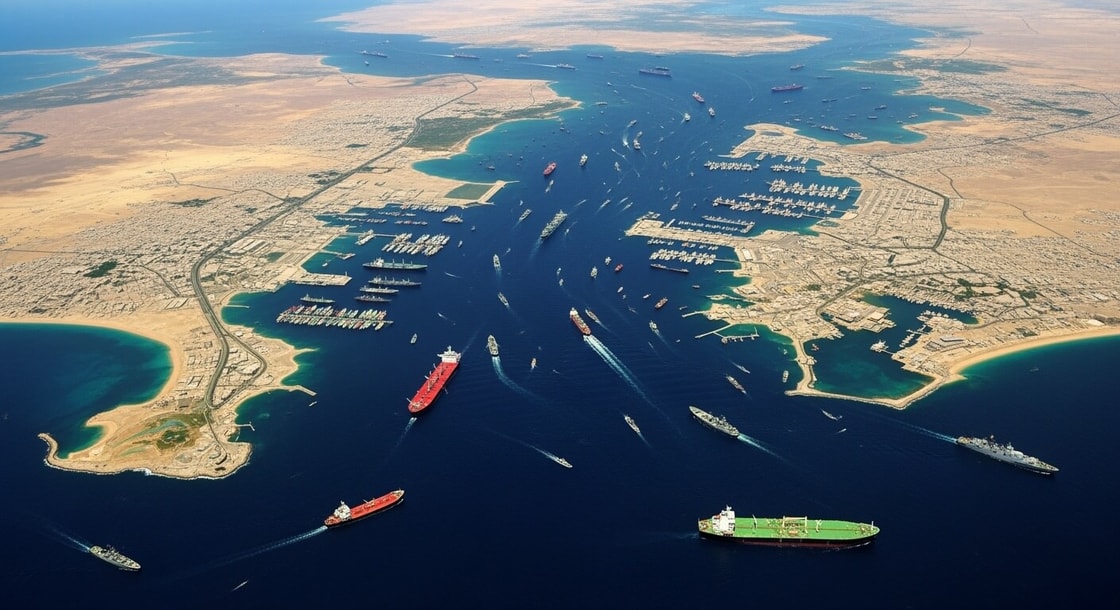
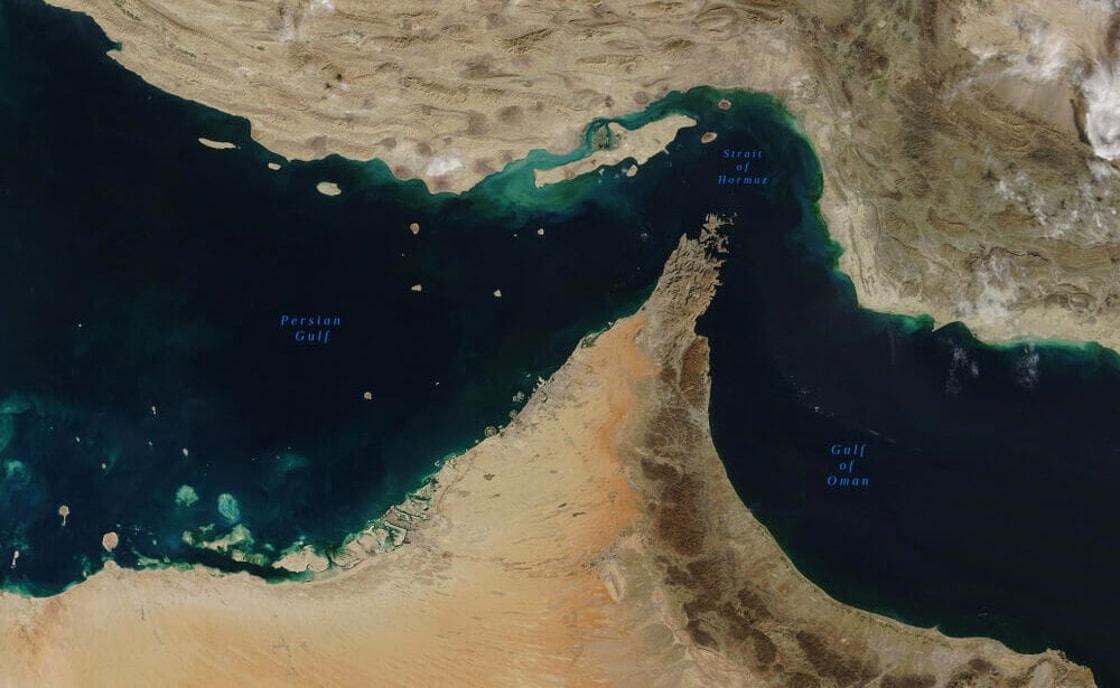
At the time of writing, Brent crude was trading at $87.12 per barrel, and West Texas Intermediate was trading at $81.36 per barrel. The rise of both benchmarks was driven by low tanker traffic through the Strait of Hormuz, which remains at a fraction of pre-war levels, and the United States’ threat to keep its naval blockade of Iran in place “indefinitely” and exert more economic pressure on the country.
“Despite the bearish crude stock data, the broader geopolitical backdrop is preventing a sharper price decline,” Rystad Energy senior vice president for oil, Susan Bell, said as quoted by Reuters.
ING analysts, meanwhile, noted in a Thursday update that U.S. commercial crude oil inventories had posted a substantial increase, at over 17.4 million barrels for last week, which exerted downward pressure on international benchmark prices. That effect may not last, however, as doubts deepen about the availability of crude oil in the context of the continuing war between the U.S. and Iran.
Earlier this week, oil prices saw more pressure from the latest monthly reports of the International Energy Agency and OPEC. Both expect lower demand for crude, largely as a result of the war and its effect on prices. Indeed, the IEA also forecast a supply shortage of 1.8 million barrels daily in the current quarter, but this did not have a marked effect on prices, even though the number was larger than the IEA’s prediction for demand decline, which stood at 1.6 million barrels daily.
OPEC also cut its demand forecast for 2026 on Wednesday. Unlike the IEA, the cartel expects demand growth, although its outlook was slashed to 580,000 bpd, down from the 780,000 bpd growth expected in the July report.
By Irina Slav for Oilprice.com
More Top Reads From Oilprice.com
- U.S. Backs X-Energy Reactor With Up to $2.15 Billion
- Russia Rebuilds Nuclear Workforce at Iran’s Bushehr Plant
- Egypt and Libya Near $1 Billion Oil Pipeline Deal