The acceleration of plans for alternative routes to ship oil out of the Middle East could make the Strait of Hormuz “redundant” in five years, Georges Elhedery, chief executive of banking giant HSBC Group, said at the HSBC Future Forum 2026 in Dubai on Tuesday.
“Of course, we do wish and hope to see a resolution to the conflict,” the executive said, as carried by Reuters.
“But Hormuz, probably in five years’ time, may become redundant,” Elhedery added.
The bank’s view stems from the rush among Middle Eastern producers to boost pipeline capacity, or build such, to bypass the Strait of Hormuz and ship growing volumes of crude oil and products out of ports on the Red Sea and the Mediterranean.
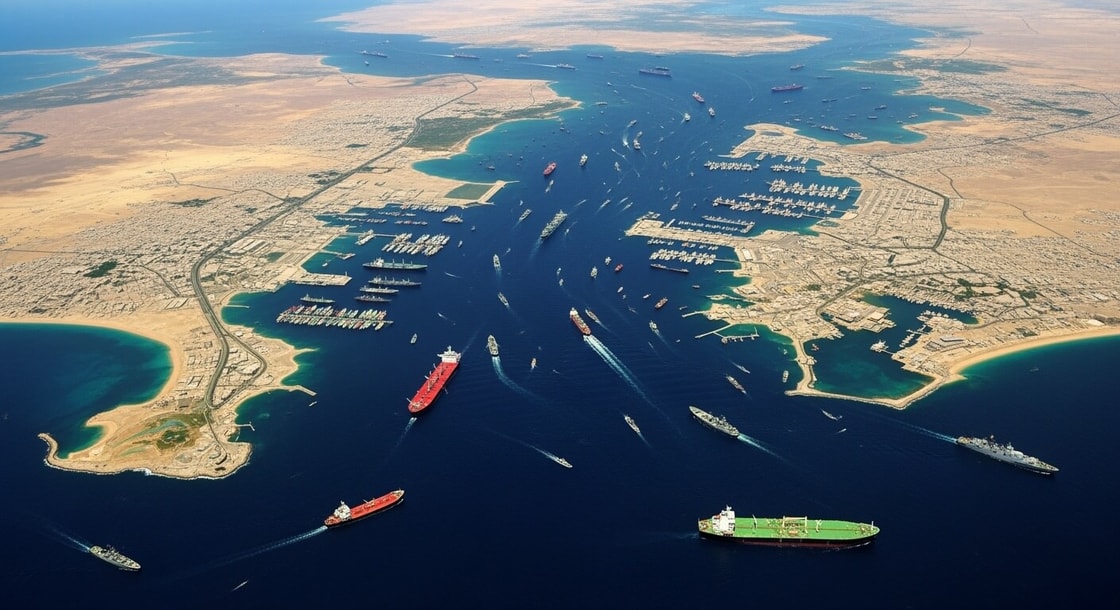
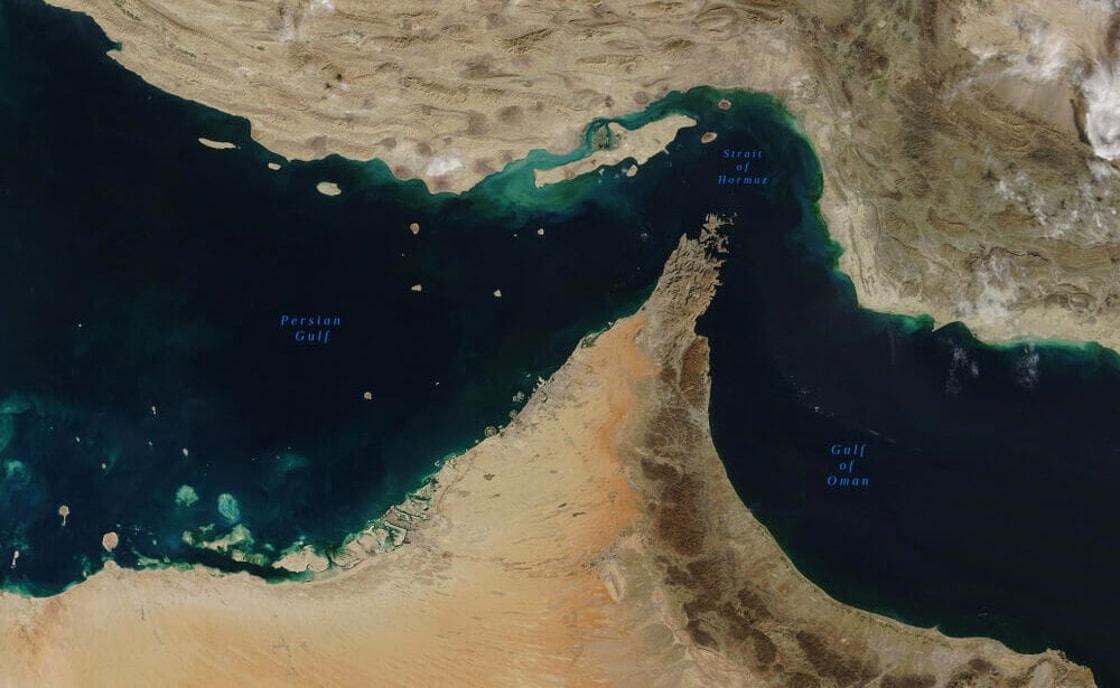
Before the war in Iran started at the end of February, the Strait of Hormuz was handling a fifth of global oil and LNG flows.
Crude oil exports have recovered to nearly pre-war levels, according to various estimates of the past weeks. But fuel shipments and LNG remain severely constrained, putting upward pressure on natural gas prices in Europe and Asia and on gasoline, and especially on diesel prices, globally.
Earlier this month, the top executives of some of the biggest Gulf oil-producing companies called for external investments into new routes to bypass the Strait of Hormuz and create and expand crude and fuel storage capacity outside the region and closer to consumers.
For example, Saudi Arabia plans to raise the capacity of its East-West onshore oil pipeline that helps it bypass the Strait of Hormuz to 10 million barrels per day (bpd) from 7 million bpd within two to three years, Saudi Energy Minister Prince Abdulaziz bin Salman said at the WPC Energy Congress in Riyadh last week.
Kuwait is intensifying efforts to set up storage sites outside the Middle East region, while Iraq, another major Gulf producer, is considering reviving an old defunct pipeline to Syria to ship crude oil from the Iraqi fields to Syria’s Mediterranean coast, bypassing the Strait of Hormuz.
By Charles Kennedy for Oilprice.com
More Top Reads From Oilprice.com
- China Moves to Rein In Its Booming Hydrogen Industry
- Copper Needs $332 Billion in New Mines to Avoid Deficit
- Asia’s Coal Prices To Stay High as Supply Drops and Demand Firms