Record-high freight costs are changing the behavior of Asian buyers who are increasingly using smaller tankers and ships under long-term charter deals to pick crude oil supply, refining and trading sources tell Reuters.
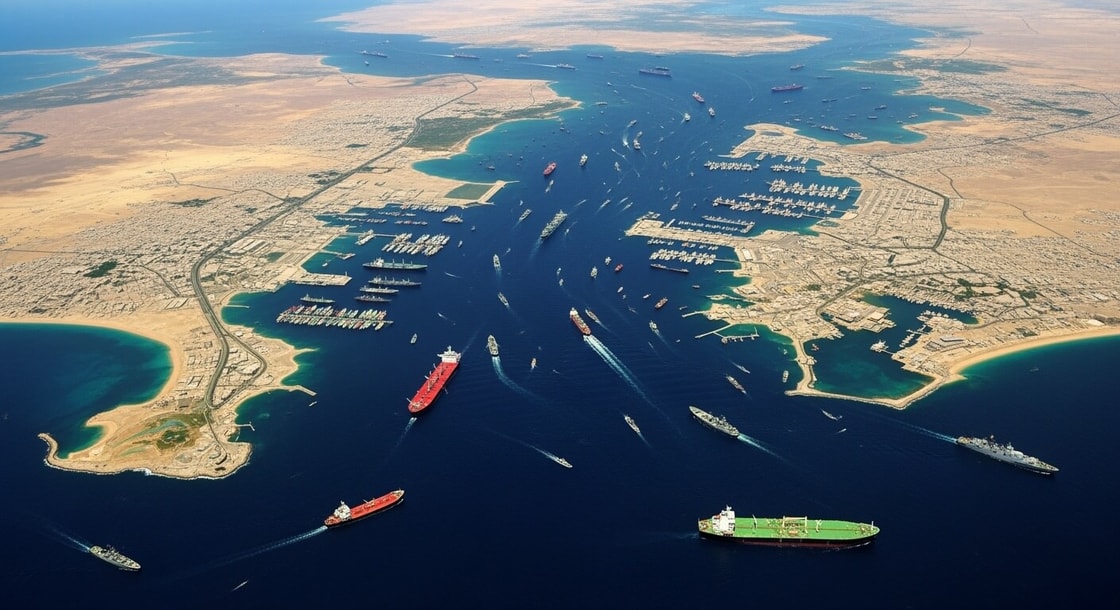
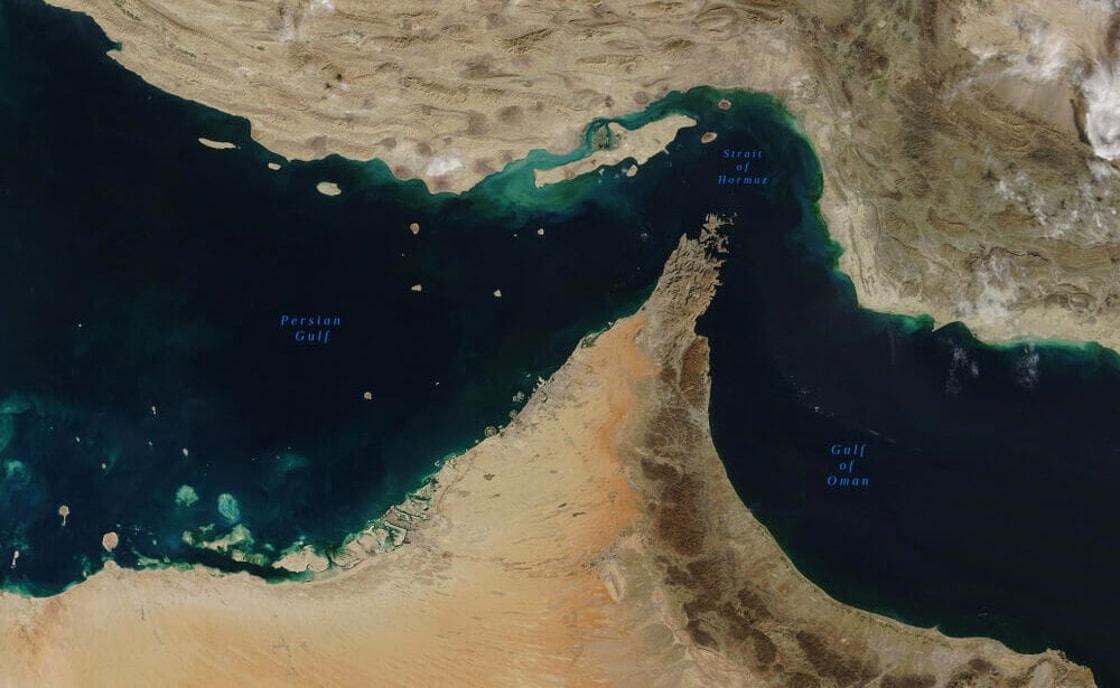
The costs of shipping crude oil have soared to record highs in recent weeks as the Iran war reshuffled trade routes and patterns and tied up more supertankers in inefficient and lengthy voyages and on a shuttle service to move crude through the Strait of Hormuz.
The increased oil flows from the Strait of Hormuz, mostly thanks to ship-to-ship (STS) transfers in the Gulf of Oman, are tying up supertankers for weeks waiting for the transfers outside the Strait, limiting the availability of very large crude carriers (VLCCs) for the other global key oil trade routes, such as the U.S. Gulf Coast to Asia.
As a result, tanker costs are spiking and increasingly influencing the buying and sourcing decisions of refiners in both Asia and Europe.
In Asia, for example, refiners have to pay record-high freight costs to receive a cargo of crude oil from the U.S. Gulf Coast. This has effectively shut the U.S. Gulf Coast to Asia arbitrage. Asian buyers are turning to more Middle East crude, but they are buying on a delivered basis to reduce costs.
In Europe, refiners are opting for nearby volumes within the region, due to the spike in tanker rates.
The higher demand for European and Middle Eastern crude is pushing up the premiums on some grades. The Dated Brent benchmark was at a record $20 per barrel premium to Brent last week. Norway’s medium sour crude Johan Sverdrup has hit a record $24 per barrel premium to Brent, according to Wood Mackenzie data.
African and U.S. crudes, on the other hand, have seen discounts widening due to the high freight costs to ship these volumes on long voyages to Asia. West African crude prices have slumped to record-low discounts, with some grades down to minus $20 per barrel to offset the high shipping costs, London-based traders told Reuters.
By Charles Kennedy for Oilprice.com
More Top Reads From Oilprice.com
- Copper Needs $332 Billion in New Mines to Avoid Deficit
- Asia’s Coal Prices To Stay High as Supply Drops and Demand Firms
- HSBC Sees Hormuz Becoming Redundant in Five Years