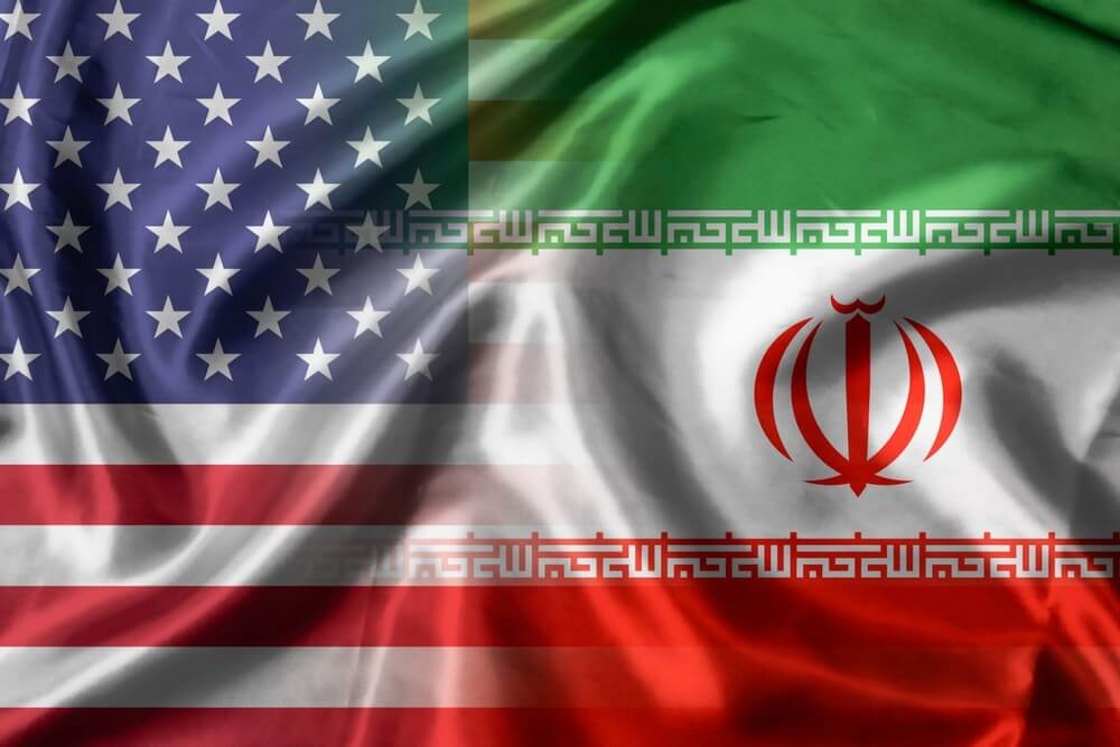
The US has embarked on an ‘economic D-Day’ against Iran as it seeks to cut off every potential source of revenue that funds the Iranian regime.
Secretary of the Treasury Scott Bessent said, “Iran now faces a very clear choice, with only two paths before them: complete global isolation and a subsistence economy or a path back to normalcy with an opportunity to rejoin the global economy.”
The latest sanctions under ‘operation outcast’ – which chiefly target digital assets, technology, gold, aviation and shipping – significantly raise the stakes by drawing in any countries which trade with Iran. Around 60 international entities are believed to be in the US Treasury’s sights.
“Let there be no ambiguity as to the position of the United States: an economic engagement of any kind … will expose those responsible to the full reach of American power,” said Bessent.
This poses significant challenges with China, Iran’s largest trading partner, and India, whose exports to Iran totalled $1.24bn between 2024 and 2025.
Daniel Fried, former US Assistant Secretary of State for Europe, said dealing a crippling blow to Iran’s economy would probably require taking on major Chinese firms and banks, “and no such steps were taken today”.
“While it’s easy to dismiss today’s announcements as mere bluster, it appears that some in the administration are aware that a quick, big win over Iran using force isn’t likely and are trying to move back to something sustainable and longer term,” said Fried.
“That’s a rational call. Iran’s weaknesses will grow over time. But such a walk back will not be easy to maintain, especially for an administration known for impatience and volatility.” Bessent said he expects one major financial institution to be sanctioned shortly.
Nate Swanson, Director of the Iran Strategy Project with the Scowcroft Middle East Security Initiative, said China is easily Iran’s most important trading partner and if those trade ties were severed, the Islamic Republic would have no replacement.
“But China has also skirted American sanctions for years and has given little indication that it will stop now,” he said.
“Is President Donald Trump really willing to risk the trade détente with China to take the necessary actions against Chinese banks, refiners, and ports to curtail trade with Iran?”
He fears that the war has evolved into a race to the bottom.
“Rather than admit defeat or make concessions, both sides seem content to impose pain and build leverage without either translating into strategic gains. Economic D-Day is just the latest example,” he said.
In another major move, the UAE halted all financial dealings with Iran, marking a major diplomatic and economic shift. Transactions totalled $30bn in 2024.
The Middle East Policy Council notes that, if the new [UAE-Iran] embargo is enforced, a relationship that previously helped Iran withstand US economic pressure could instead become one of Washington’s most powerful sources of leverage.
The UAE may be better positioned to cut off trade with Iran than it had been in the past, as it has sought to diversify its economy and increase its geopolitical flexibility, following on from its .
Andrew Peek, from the Atlantic Council, the international affairs think tank, said the clear risk in the financial escalation is that Iran’s leaders “will shoot back before they starve”.
“Iran will escalate militarily against its neighbours in the face of this sanctions pressure to prevent them from complying fully,” he writes.
“Iran will try to force Iraq and the Gulf states to hedge and allow money to keep flowing. The effects will be limited, since Iran is not exporting oil by ship, but Tehran will try to scrounge enough dollars from its neighbours to survive and outlast this effort.”
US professor Robert Pape adds another note of caution, saying that his 30 years of research on wartime blockades and economic sanctions shows a brutal reality: maximum economic pressure alone has not won a single major war since 1918.
“Instead, they often trigger a predictable, catastrophic reaction,” he writes.
“By backing Tehran into a corner, this financial siege poses an imminent risk to global energy markets, threatening to shut down critical shipping lanes and spike oil prices overnight.”
Qatar has cut government department as the Gulf state grapples with the collapse in LNG revenues, according to a Financial Times report.
Since the start of the war at the end of February, Ras Laffan production has been impacted by missile strikes and shipping through the Strait of Hormuz has ground to a halt. Fewer than 20 ships transited the strait over the weekend.