Russia’s state nuclear corporation Rosatom was selected last year to lead an international consortium to build the proposed 2,400 MW capacity plant in the Zhambyl district of the Almaty region.
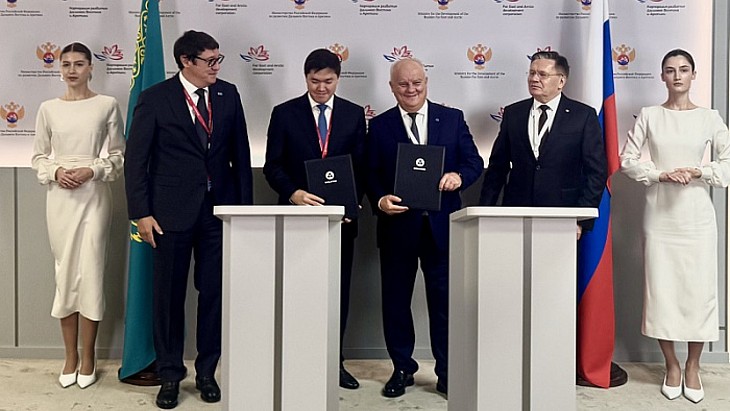
The new contract sets out the responsibilities of the two sides in the project, with Rosatom responsible for the project implementation “from design and procurement to construction, commissioning, and handover of the completed facility to the customer”.
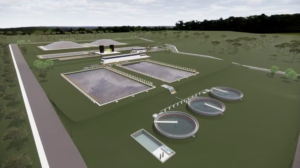
Survey work began in the chosen area in August 2025, with more than 60 boreholes up to 120 metres deep drilled for samples to be analysed to help in the selection of the preferred location for the units. This work is due to be completed next year, followed by the preparation of documentation for the permit application process.
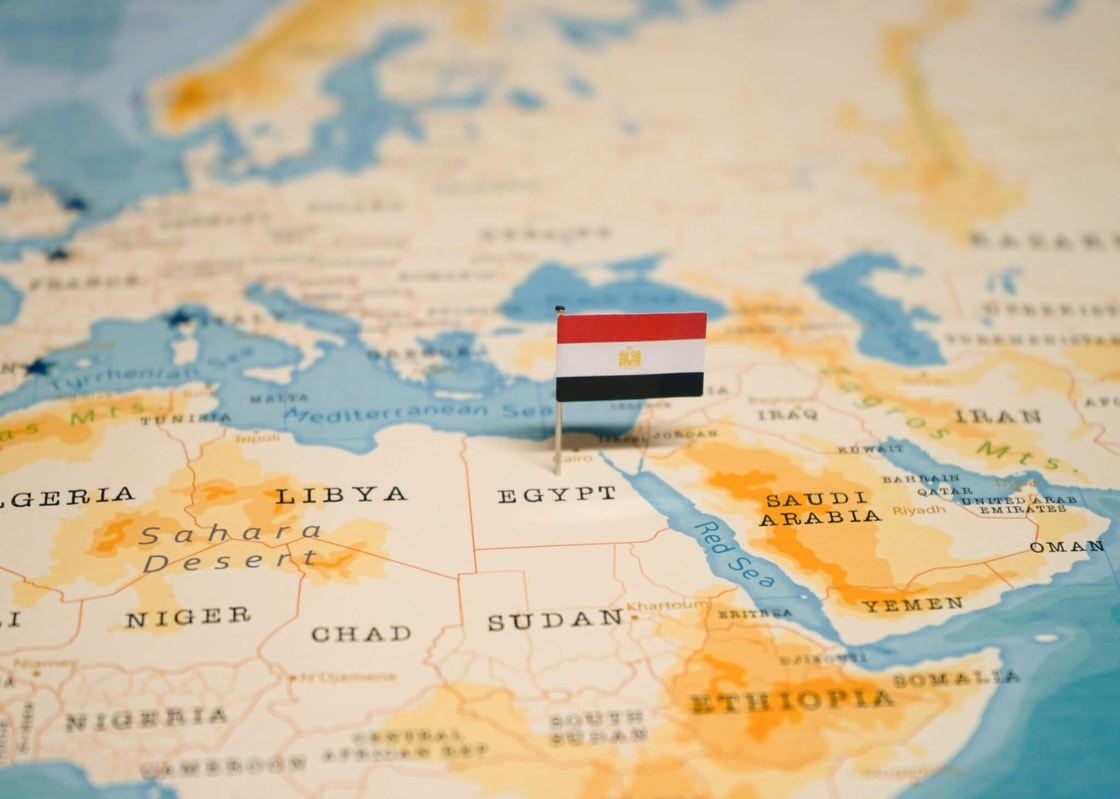
The plant is due to consist of two of Rosatom’s VVER-1200 pressurised water reactors, the type being used in projects in Belarus, China, Turkey, Bangladesh, Egypt and Hungary.
Rosatom Director General Alexei Likhachev said: “The signed document marks a new stage in our cooperation with Kazakhstan. Rosatom will soon complete design work and create an international consortium of equipment suppliers. At every stage of the project, we remain steadfast in our commitment to our core objective: to build and commission power units that meet the most stringent international safety and efficiency requirements. We are confident that Russian nuclear technologies will provide a reliable foundation for the energy independence and sustainable development of the Republic of Kazakhstan.”
Background
An intergovernmental agreement setting out the key principles – and export loan financing – for Kazakhstan’s first nuclear power plant project was signed in May during Russian President Vladimir Putin’s state visit to the country.
Further details of the financing was not included in the official announcements, although the official news agency Kazinform said that preliminary estimates put the cost of the two units at about USD14.4 billion, with another USD2 billion earmarked for physical security systems and social infrastructure. It reported that the construction start was targeted for 2027, and the aim was for operation of the first unit in 2034.
In his comments after signing the agreement in May, Kazakhstan’s President Kassym-Jomart Tokayev said: “There’s every reason to single out energy as a very successful area of cooperation. In my view, the agreement signed today on the construction of the Balkhash Nuclear Power Plant is of exceptional significance.”
Kazakhstan is the world’s leading producer of uranium. Although it does not currently use nuclear energy, it is not without nuclear experience: it has three operating research reactors, and a Russian-designed BN-350 sodium-cooled fast reactor operated near Aktau for 26 years, until 1999.
Kazakhstan has been preparing for a possible nuclear power programme to reduce its reliance on fossil fuels, diversify its energy mix and reduce CO2 emissions for some time. Kazakhstan Nuclear Power Plant (KNPP), a subsidiary of Kazakhstan’s Samruk-Kazyna National Welfare Fund JSC, was set up in 2014. In a referendum in 2024 more than 70% of the 7.8 million people who voted answered ‘yes’ to the question: “Do you agree with the construction of a nuclear power plant in Kazakhstan?”
In addition to the initial nuclear power plant, China National Nuclear Corporation is lined up to build a second one, at a site also in the Zhambyl district, adjacent to the site selected for the first plant, as well as a third plant, Kazinform News Agency reported last July. The government has set a target for nuclear to produce a 5% share of the national generation mix by 2035.