By
40 min ago 3 min read
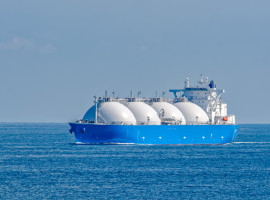
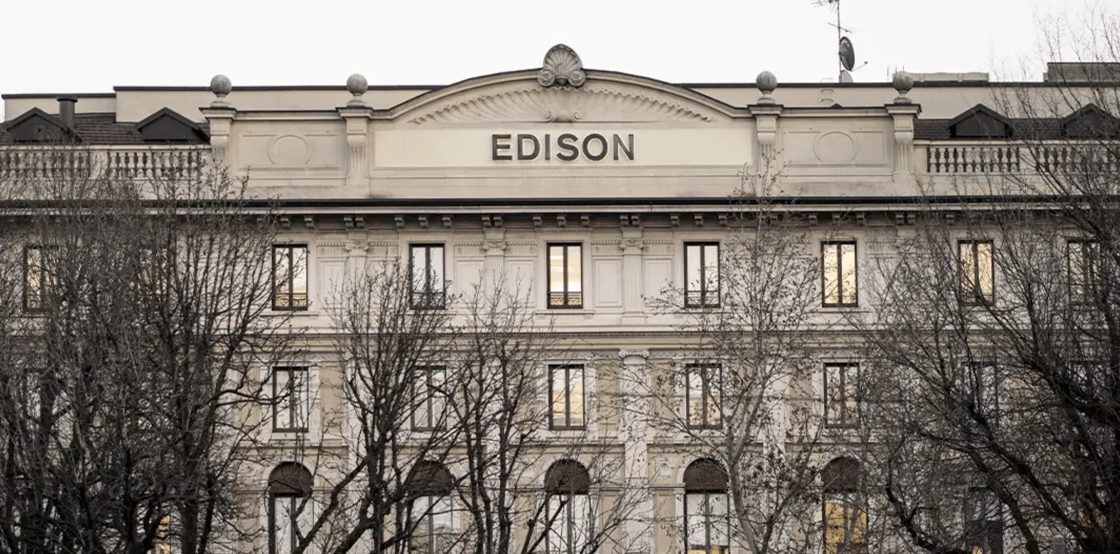
Italy utility Edison has confirmed QatarEnergy has extended its force majeure for LNG deliveries to early November.
The extension brings the overall force majeure period to seven months, impacting 29 cargoes and representing around 3.8 billion cubic metres (bcm) of gas.
Edison holds a 25-year contract with QatarEnergy for the supply of 6.5 bcm per year.
QatarEnergy’s original force majeure declaration, triggered by that damaged facilities at Ras Laffan and halted shipping through the Strait of Hormuz, has cut Qatar’s total LNG export capacity by 17% and resulted in multi-billion-dollar disruptions, with around 80 million tonnes per annum removed from global markets.
Declarations mean buyers must rely on alternative global exporters while Middle Eastern capacity remains offline. Buyers under suspended long-term contracts in Europe and Asia (such as Italy, Belgium, South Korea, and China) are forced onto the spot market to bid aggressively against one another for scarce replacement cargoes.
QatarEnergy estimates an annual revenue loss of approximately $20bn, with facility repairs projected to take up to five years, and Qatar has cut its .
Three LNG cargoes from Qatar and the UAE outside the strait as disruption continues to affect LNG shipping in the region.
The June temporary ceasefire agreement has expired, leaving diplomacy stalled as tensions have escalated, with attacks recorded in Bahrain, UAE, Kuwait and Qatar within the last week, following an announced by the US.
Qatar’s loss has been to the US’ gain as its exports averaged in the first half of 2026, up 23% year-on-year, according to new analysis published by the US Energy Information Administration (EIA).
QatarEnergy has partially restarted production at its Helium2 plant though a full recovery remains tied to regional shipping stability in the Gulf.
Despite fears over an escalating supply crisis, the industrial gas sector has stepped up, sourcing helium from other regions, introducing allocations to ensure deliveries are prioritised by need, and tapping storage caverns to ensure market equilibrium.
“It would be inaccurate to say the helium supply chain is working normally, the market is tight,” said Phil Kornbluth of Kornbluth Helium Consulting. “There is a shortage but it’s not a very high percentage. It’s been a pricing event.”