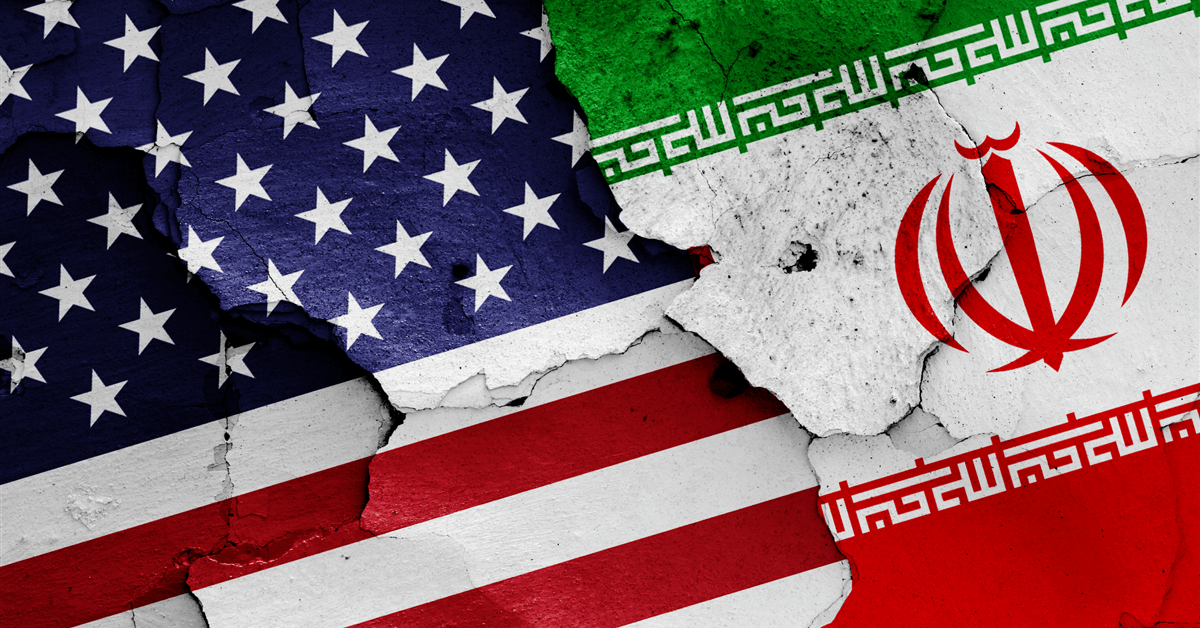
Market expectations are shifting towards a prolonged U.S.-Iran conflict, as prospects of a rapid return to the previous status quo diminish further.
That’s what Standard Chartered Bank Energy Research Head Emily Ashford said in a report sent to Rigzone on Tuesday, adding that “the postponement of planned Hormuz shipping talks rules out de-escalation for now, while damage to Saudi Arabia’s East-West pipeline has impaired a key bypass route for the strait”.
“With supply buffers and alternative export capacity already tight, the market is less able to absorb another disruption without a disproportionate price response,” Ashford warned in the report.
The Energy Research Head revealed in the report that Standard Chartered Bank expects Brent oil to “remain supported in triple-digits territory” but warned that “geopolitical headlines are likely to continue to drive sharp corrections in both directions”.
“The pipeline closure and postponed talks have already helped keep Brent above the $100 per barrel threshold reached last week,” Ashford highlighted.
Ashford went on to outline in the report that Standard Chartered Bank’s “core view” on crude oil is that the “continuing U.S.-Iran stalemate and increasing associated physical risks to regional exports should keep oil prices supported above a higher floor”.
“The postponement of planned Iran-Gulf talks on Strait of Hormuz shipping has delayed another potential avenue for de-escalation, while drone attacks have forced Saudi Arabia to shut its East-West crude pipeline, an important alternative export route that bypasses Hormuz,” Ashford added.
“The ICE Brent futures front-month rallied into triple-digit territory, moving towards $110 per barrel on 14 September and settling at $105.68 per barrel,” the Energy Research Head pointed out.
Ashford went on to warn that “with disruption risk now affecting both Hormuz-linked flows and alternative export infrastructure”, Standard Chartered Bank expects the geopolitical risk premium to remain elevated, “with price moves continuing to be punctuated by sharp corrections on more constructive headlines”.
In a market analysis sent to Rigzone on Wednesday, Naeem Aslam, CIO at Zaye Capital Markets, revealed that the company sees the current oil price environment “being driven by the collision between genuine physical supply risk and growing evidence that restrictive financial conditions can slow demand”.
“The latest [oil price] pullback followed an unexpected 7.1 million barrel increase in U.S. crude inventories versus expectations for a 1.6-million barrel draw, giving markets a reason to take some risk premium out of prices even though the broader supply backdrop remains unusually tight,” Aslam noted.
Aslam also highlighted in the analysis that U.S. President Donald Trump’s latest comments are influencing crude primarily through expectations around Iran, Russia, Ukraine, and future energy flows.
“Crude remains caught between slowing consumption expectations and a physical market with limited room for further disruption,” Aslam outlined in the analysis.
In a market quick take posted on Saxo Bank’s website on Wednesday, Saxo Bank highlighted that Brent crude settled near $109 per barrel on Tuesday, “extending its September gain to almost 20 percent, after talks on a temporary Hormuz shipping corridor were reportedly postponed”.
“Prices have eased this morning as some risk premium unwinds after the API reported a weekly rise in U.S. crude and fuel stockpiles, while data showed flows through the Strait of Hormuz rising to their highest since June/July,” Saxo Bank added.
“However, the pickup is only partly offsetting lost export barrels following drone attacks that shut Saudi Arabia’s East-West pipeline, for which there is still no restart timeline,” the company continued.
Saxo Bank went on to state that the resulting squeeze on prompt supply has pushed Dated Brent above $130 per barrel “as physical-market traders price an increased risk of near-term supply shortages”.
In a statement posted on his Truth Social page on September 14, Trump said “Oil will drop like a rock as soon as the Military Conflict with Iran is over, and that will not be long”.
To contact the author, email